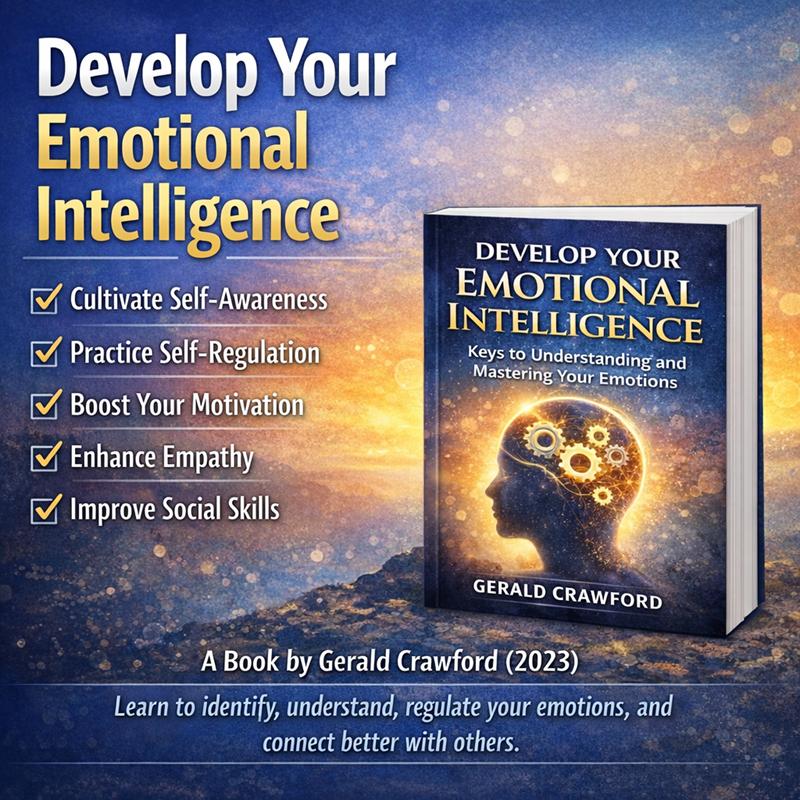
To develop Emotional Intelligence (EI), cultivate self-awareness by identifying and naming your emotions, self-regulation by managing those feelings, motivation by setting goals, empathy by understanding others' perspectives, and improving social skills through active listening and clear communication.

Category: Emotional Intelligence (Page 8 of 14)

Emotional Intelligence in the Workplace – The importance of emotional intelligence in the workplace

Emotional intelligence (EI) is crucial in the workplace, as it helps employees manage their emotions, build strong relationships, and make informed decisions. Here are some key aspects of EI in the workplace:

Why is EI Important in the Workplace?

1. Improved relationships: EI helps employees build strong relationships with colleagues, managers, and clients.

2. Better communication: EI enables employees to communicate effectively, avoiding misunderstandings and conflicts.

3. Increased productivity: EI helps employees manage stress and emotions, leading to increased productivity and job satisfaction.

Key Components of EI in the Workplace:

1. Self-awareness: Employees understand their own emotions, values, and motivations.

2. Self-regulation: Employees manage their emotions, impulses, and behaviors.

3. Motivation: Employees are motivated to achieve their goals and improve their performance.

4. Empathy: Employees understand and respect the emotions and perspectives of others.

5. Social skills: Employees communicate effectively, build relationships, and manage conflicts.

Benefits of EI in the Workplace:

1. Improved teamwork: EI helps employees work collaboratively, build strong relationships, and manage conflicts.

2. Increased job satisfaction: EI helps employees manage stress, reduce burnout, and increase job satisfaction.

3. Better decision-making: EI enables employees to make informed decisions, considering the emotional and social implications.

Challenges to EI in the Workplace:

1. Emotional labor: Employees may struggle to manage their emotions, leading to burnout and decreased job satisfaction.

2. Conflicting priorities: Employees may face conflicting priorities, making it challenging to manage their emotions and relationships.

3. Limited resources: Employees may not have access to resources, such as training or support, to develop their EI.

Strategies for Developing EI in the Workplace:

1. Training and development: Provide employees with training and development opportunities to improve their EI.

2. Coaching and mentoring: Offer coaching and mentoring to help employees develop their EI.

3. Feedback and evaluation: Provide regular feedback and evaluation to help employees understand their strengths and areas for improvement.

By prioritizing EI in the workplace, organizations can create a positive, productive, and supportive work environment that benefits both employees and the organization as a whole.

Conflict Resolution – The importance of conflict resolution in relationships

Conflict resolution is a crucial aspect of relationships, as it helps to address and resolve disputes in a constructive manner. Here are some key strategies for conflict resolution:

Why is Conflict Resolution Important?

1. Maintains relationships: Conflict resolution helps to maintain relationships by addressing and resolving disputes in a constructive manner.

2. Improves communication: Conflict resolution improves communication by encouraging active listening, empathy, and understanding.

3. Reduces stress and anxiety: Conflict resolution can help to reduce stress and anxiety by resolving disputes and improving relationships.

Key Strategies for Conflict Resolution:

1. Stay calm and composed: Remain calm and composed, even in the midst of a conflict.

2. Listen actively: Listen actively and try to understand the other person’s perspective.

3. Use “I” statements: Use “I” statements to express your feelings and thoughts, rather than “you” statements that can come across as accusatory.

4. Seek common ground: Seek common ground and try to find a mutually beneficial solution.

Benefits of Conflict Resolution:

1. Improved relationships: Conflict resolution can help to improve relationships by addressing and resolving disputes in a constructive manner.

2. Increased trust: Conflict resolution can help to increase trust by demonstrating a willingness to listen and understand the other person’s perspective.

3. Reduced stress and anxiety: Conflict resolution can help to reduce stress and anxiety by resolving disputes and improving relationships.

Challenges to Conflict Resolution:

1. Emotional barriers: Emotions like anger, fear, or sadness can create barriers to conflict resolution.

2. Communication barriers: Communication barriers, such as language or cultural differences, can create challenges for conflict resolution.

3. Power imbalances: Power imbalances, such as differences in authority or status, can create challenges for conflict resolution.

Conflict Resolution Techniques:

1. Mediation: Mediation involves a neutral third party helping to facilitate a resolution.

2. Arbitration: Arbitration involves a neutral third party making a binding decision.

3. Negotiation: Negotiation involves direct communication between parties to reach a mutually beneficial solution.

By using these strategies and techniques, individuals can effectively resolve conflicts and improve their relationships.

Effective Communication – Strategies for effective communication: active listening, clear expression of emotions, and assertiveness

Effective communication is a crucial aspect of building strong relationships, resolving conflicts, and achieving personal and professional goals. Here are some key strategies for effective communication:

Active Listening:

1. Give the speaker your undivided attention: Make eye contact, put away distractions, and focus on the speaker.

2. Use verbal and nonverbal cues: Nod your head, use phrases like “uh-huh,” and ask open-ended questions to show you’re engaged.

3. Paraphrase and summarize: Repeat back what you’ve heard in your own words to ensure understanding and show you’re paying attention.

Clear Expression of Emotions:

1. Identify and label your emotions: Recognize how you’re feeling and use “I” statements to express your emotions, such as “I feel frustrated when…”

2. Be specific and descriptive: Instead of saying “you always,” say “I’ve noticed that…” to express your feelings and thoughts.

3. Use nonverbal communication: Use facial expressions, body language, and tone of voice to convey your emotions and engage with others.

Assertiveness:

1. Stand up for yourself: Express your needs and wants clearly and respectfully, without being aggressive or passive.

2. Use “I” statements: Instead of accusing or blaming others, use “I” statements to express your thoughts and feelings.

3. Set boundaries: Clearly communicate your limits and expectations to others, and be willing to say “no” when necessary.

Benefits of Effective Communication:

1. Improved relationships: Effective communication can help build stronger, more meaningful relationships.

2. Increased productivity: Clear communication can help you avoid misunderstandings and achieve your goals more efficiently.

3. Reduced stress and conflict: Effective communication can help you manage conflicts and reduce stress.

Challenges to Effective Communication:

1. Emotional barriers: Emotions like anger, fear, or sadness can create barriers to effective communication.

2. Language barriers: Language differences can create challenges for effective communication.

3. Cultural differences: Cultural differences can impact communication styles and create challenges for effective communication.

By practicing active listening, clear expression of emotions, and assertiveness, you can improve your communication skills and build stronger, more meaningful relationships.

Effective Communication – The importance of effective communication in relationships

Effective communication is crucial in relationships, as it helps to build trust, resolve conflicts, and foster deeper connections. Here’s an overview of the importance of effective communication:

Why is Effective Communication Important?

1. Builds trust: Effective communication helps to build trust and credibility in relationships.

2. Resolves conflicts: Effective communication can help to resolve conflicts and misunderstandings in a constructive manner.

3. Fosters deeper connections: Effective communication can help to create deeper, more meaningful connections with others.

Key Components of Effective Communication:

1. Active listening: Paying attention to the other person and responding in a thoughtful and engaged manner.

2. Clear expression: Clearly expressing your thoughts, feelings, and needs in a way that is easy for others to understand.

3. Empathy: Being able to understand and share the feelings of another person.

Benefits of Effective Communication:

1. Improved relationships: Effective communication can lead to improved relationships and a stronger sense of connection with others.

2. Increased trust: Effective communication can help to build trust and credibility in relationships.

3. Reduced conflicts: Effective communication can help to resolve conflicts and misunderstandings in a constructive manner.

Challenges to Effective Communication:

1. Emotional barriers: Emotions like anger, fear, or sadness can create barriers to effective communication.

2. Language barriers: Language differences can create challenges for effective communication.

3. Cultural differences: Cultural differences can impact communication styles and create challenges for effective communication.

Strategies for Improving Communication:

1. Practice active listening: Make an effort to listen carefully and respond thoughtfully.

2. Use “I” statements: Use “I” statements to express your thoughts and feelings, rather than “you” statements that can come across as accusatory.

3. Seek clarification: Seek clarification when you’re unsure about something, rather than making assumptions.

By prioritizing effective communication, individuals can build stronger, more meaningful relationships and improve their overall well-being.

Emotional Regulation – Building resilience

Building resilience is an essential aspect of emotional regulation. Here are some strategies for building resilience:

Resilience:

1. Definition: Resilience is the ability to bounce back from adversity, trauma, or significant stress.

2. Importance: Resilience is crucial for emotional regulation, as it enables individuals to cope with challenges and setbacks.

Strategies for Building Resilience:

1. Develop a Growth Mindset: View challenges as opportunities for growth and learning.

2. Practice Self-Care: Prioritize self-care activities, such as exercise, meditation, or spending time in nature.

3. Build a Support Network: Surround yourself with supportive people who can provide emotional support and guidance.

4. Develop Problem-Solving Skills: Learn to approach problems in a logical and methodical way.

5. Practice Mindfulness: Cultivate mindfulness through meditation, deep breathing, or other techniques.

Emotional Regulation Strategies:

1. Emotional Awareness: Develop awareness of your emotions and how they impact your behavior.

2. Emotional Regulation: Learn to regulate your emotions, rather than being controlled by them.

3. Cognitive Reappraisal: Reframe negative thoughts and emotions in a more positive and constructive way.

Benefits of Resilience:

1. Improved Emotional Regulation: Resilience can help you regulate your emotions more effectively.

2. Better Coping Skills: Resilience can help you develop better coping skills and adapt to challenging situations.

3. Enhanced Well-being: Resilience can enhance your overall well-being and life satisfaction.

Challenges and Limitations:

1. Difficulty with Emotional Regulation: Emotional regulation can be challenging, especially for individuals with mental health conditions.

2. Limited Access to Resources: Access to resources, such as therapy or support groups, may be limited.

3. Individual Differences: People may respond differently to resilience-building strategies.

By incorporating these strategies into daily life, individuals can build resilience, improve emotional regulation, and enhance overall well-being.

« Older posts Newer posts »

Step-up and get your seat on my VIP Emotional Intelligence Mentorship Program for 2026

X
Back a Buddy Show your Support