
To develop Emotional Intelligence (EI), cultivate self-awareness by identifying and naming your emotions, self-regulation by managing those feelings, motivation by setting goals, empathy by understanding others' perspectives, and improving social skills through active listening and clear communication.

Category: Communication

Question and Answer: Do you want to improving your communication and listening skills? How can I address this by development my Emotional Intelligence?

Q: Do you want to improve your communication and listening skills?

A: Many people find it challenging to communicate clearly, listen fully, or engage in meaningful conversations—especially in fast-paced or emotionally charged environments. You may notice that you:

  • Struggle to articulate thoughts clearly
  • Interrupt without meaning to
  • Listen only to respond rather than understand
  • Miss emotional cues behind people’s words
  • Get distracted during conversations
  • Speak in a way that others misinterpret
  • Feel unheard or misunderstood
  • Avoid difficult conversations

These challenges often stem not from lack of intelligence, but from gaps in Emotional Intelligence (EI)—specifically self-awareness, empathy, and relationship management.

The good news? EI can dramatically strengthen both communication and listening skills.


Q: How can I address this by developing my Emotional Intelligence?

Emotional Intelligence helps you understand your emotions, the emotions of others, and the impact of communication on relationships.
When EI improves, communication becomes clearer, calmer, and more effective.

Here’s how EI development supports stronger communication and listening:


1. Strengthen Self-Awareness

Self-awareness helps you understand how your words, tone, and emotional state affect your communication.

EI Practices:

  • Notice your communication habits (e.g., interrupting, talking fast).
  • Identify how your emotions influence your speaking style.
  • Ask yourself: “What message am I trying to send?”
  • Reflect on how others respond to you.

Impact:
You speak with clarity and intention instead of reacting automatically.


2. Improve Self-Management

Communication often breaks down when emotions interfere with your ability to stay calm and present.

EI Practices:

  • Stay aware of emotional triggers during conversations.
  • Practice pausing before responding, especially in conflict.
  • Use grounding or deep breathing to stay composed.
  • Choose words thoughtfully rather than impulsively.

Impact:
You communicate calmly, even under stress or pressure.


3. Build Social Awareness (Empathy)

Listening deeply is impossible without empathy.

EI Practices:

  • Pay full attention—listen to understand, not to reply.
  • Focus on tone, body language, and what’s not being said.
  • Ask clarifying questions: “What I’m hearing is… Is that correct?”
  • Validate feelings: “That sounds important” or “I understand why you feel that way.”

Impact:
People feel heard, respected, and understood—leading to better collaboration and trust.


4. Strengthen Relationship Management

This skill helps you handle conversations with confidence, clarity, and emotional intelligence.

EI Practices:

  • Use assertive communication: clear, calm, and respectful.
  • Express your needs without blaming or criticizing.
  • Navigate difficult conversations with empathy and structure.
  • Build rapport through curiosity, appreciation, and positive language.

Impact:
Your communication becomes influential, trustworthy, and consistent.


Practical EI Tools to Improve Communication & Listening

  • The “Listen → Reflect → Respond” method
  • Use open-ended questions to deepen understanding
  • Mirror and summarize what you heard
  • Practice nonverbal awareness (eye contact, posture, tone)
  • Slow down—silence is a powerful communication tool
  • Develop emotional vocabulary to express yourself clearly
  • Avoid multitasking when listening

What benefits will I see as my Emotional Intelligence improves?

You will experience:

  • Clearer, more confident communication
  • Stronger listening and understanding
  • Reduced misunderstandings and conflict
  • More meaningful conversations
  • Increased influence and credibility
  • Better teamwork and collaboration
  • Deeper personal and professional relationships
  • Greater emotional connection with others

Improving EI doesn’t just improve communication—it transforms how you connect, lead, and relate to the world.

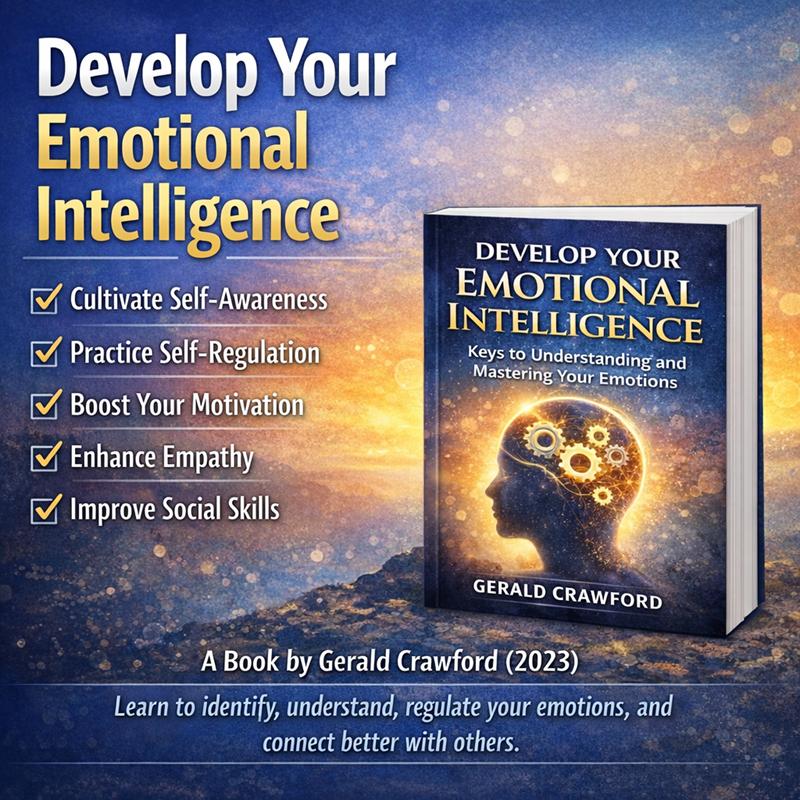
Question and Answer: Does the way you communicate affects your performance? How can I address this by development my Emotional Intelligence?

Q: Does the way you communicate affect your performance?

A: Yes — communication is one of the biggest factors influencing your performance at work, in leadership, and in relationships.
How you communicate affects:

  • How well others understand your ideas
  • How effectively you collaborate
  • How conflict is handled
  • How trusted and respected you are
  • How confident you appear
  • How well your team or colleagues respond to you
  • How quickly problems get solved

Poor communication can create confusion, tension, inefficiency, and misunderstanding — all of which lower performance.

Strong communication improves clarity, alignment, trust, and productivity — all of which boost performance.

And Emotional Intelligence is the foundation of effective communication.


Q: How can developing Emotional Intelligence improve your communication and performance?

Emotional Intelligence strengthens how you express yourself, listen, and connect with others.
Each EI skill directly enhances communication effectiveness.


1. Self-Awareness

Understanding your emotions, tone, and communication habits.

How it improves communication:

  • Helps you notice when emotions affect your message
  • Prevents speaking from frustration, stress, or defensiveness
  • Helps you communicate intentionally instead of reactively
  • Makes you aware of how your words and tone land on others

Try:

  • Ask yourself: “How am I coming across right now?”
  • Pay attention to tone, body language, and emotional triggers
  • Reflect after conversations: “What worked? What didn’t?”

2. Self-Management

Regulating emotions so you can communicate clearly and respectfully.

How it improves communication:

  • Keeps you calm in difficult conversations
  • Allows you to respond thoughtfully, not impulsively
  • Reduces misunderstandings caused by emotional reactions
  • Helps you stay composed under pressure

Try:

  • Pause before speaking when emotions run high
  • Use deep breathing to stay grounded
  • Take a moment to think before responding
  • Use phrases like: “Let me process this before I respond.”

3. Social Awareness (Empathy)

Understanding others’ emotions, perspectives, and needs.

How it improves communication:

  • Makes it easier to connect meaningfully with others
  • Helps you listen actively and understand intent
  • Reduces conflict caused by misinterpretation
  • Improves collaboration and teamwork

Try:

  • Ask: “What might they be feeling right now?”
  • Listen to understand instead of to reply
  • Notice non-verbal cues (tone, facial expression, posture)
  • Validate others’ experiences before giving your opinion

4. Relationship Management

Using communication to build trust, resolve conflict, and strengthen relationships.

How it improves communication:

  • Helps you handle difficult conversations with confidence
  • Supports constructive feedback rather than blame
  • Builds cooperation, not resistance
  • Increases influence and leadership effectiveness

Try:

  • Use “I” statements to express concerns calmly
  • Address issues early before they escalate
  • Practice clear, respectful communication
  • Give feedback that is specific, timely, and empathetic

Q: What practical Emotional Intelligence strategies can help improve my communication?

1. Practice active listening

  • Focus fully on the speaker.
  • Repeat or summarize what you heard.
  • Ask clarifying questions.
  • Avoid interrupting.

2. Think before you speak

A quick EI-based filter:

  • Is it true?
  • Is it necessary?
  • Is it clear?
  • Is it kind?

3. Manage your emotional tone

Tone often communicates more than words.
Check:

  • Volume
  • Pace
  • Body language
  • Facial expression

4. Use emotionally intelligent language

Examples:

  • “Help me understand…”
  • “I feel… when…”
  • “What I need right now is…”
  • “Let’s find a solution together.”

5. Regulate emotions before communicating

Never communicate important messages when:

  • Angry
  • Overwhelmed
  • Exhausted
  • Stressed
  • Anxious

Take time to reset so your message is grounded, not emotional.


Q: What benefits will I see as I improve my EI and communication?

You will experience:

  • Clearer, more confident communication
  • More productive and positive conversations
  • Fewer misunderstandings and conflicts
  • Higher trust and respect
  • Improved teamwork and collaboration
  • Better leadership presence and influence
  • Stronger relationships
  • Higher performance and results

When you communicate with Emotional Intelligence, you become someone people listen to, trust, and want to work with — all of which elevate your performance.

Step-up and get your seat on my VIP Emotional Intelligence Mentorship Program for 2026

X
Back a Buddy Show your Support