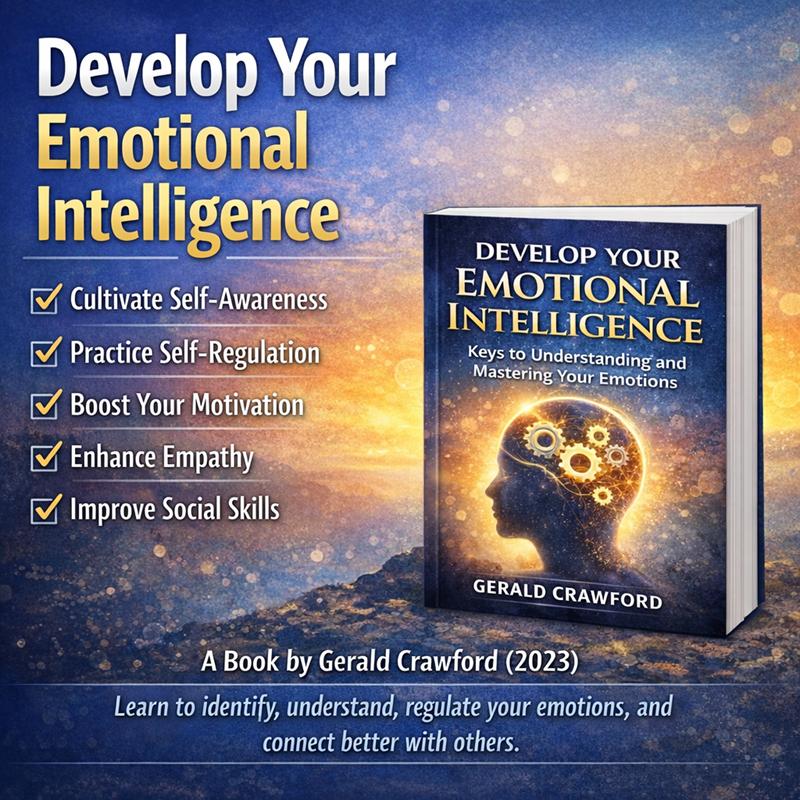
To develop Emotional Intelligence (EI), cultivate self-awareness by identifying and naming your emotions, self-regulation by managing those feelings, motivation by setting goals, empathy by understanding others' perspectives, and improving social skills through active listening and clear communication.

Category: Emotional Intelligence (Page 9 of 14)

Self-Awareness – The importance of self-awareness in emotional intelligence

Self-awareness is a crucial aspect of emotional intelligence. Here’s an overview of the importance of self-awareness:

What is Self-Awareness?

Self-awareness is the ability to have a clear understanding of one’s own thoughts, feelings, and behaviors. It involves being able to observe and reflect on one’s own emotions, values, and motivations.

Why is Self-Awareness Important in Emotional Intelligence?

1. Emotional Regulation: Self-awareness helps individuals understand and regulate their emotions, leading to better emotional management.

2. Decision-Making: Self-awareness enables individuals to make informed decisions, taking into account their own values, goals, and emotions.

3. Relationships: Self-awareness helps individuals understand how their emotions and behaviors impact others, leading to more effective communication and relationships.

4. Personal Growth: Self-awareness promotes personal growth, allowing individuals to identify areas for improvement and work on self-development.

Benefits of Self-Awareness:

1. Improved emotional regulation: Self-awareness helps individuals manage their emotions, reducing stress and anxiety.

2. Better decision-making: Self-awareness enables individuals to make informed decisions, leading to better outcomes.

3. Stronger relationships: Self-awareness helps individuals build stronger, more meaningful relationships with others.

4. Increased self-confidence: Self-awareness promotes self-confidence, allowing individuals to feel more comfortable in their own skin.

Developing Self-Awareness:

1. Self-Reflection: Engage in regular self-reflection to understand your thoughts, feelings, and behaviors.

2. Journaling: Keep a journal to record your thoughts, feelings, and experiences.

3. Mindfulness: Practice mindfulness to increase awareness of your thoughts, feelings, and bodily sensations.

4. Seek Feedback: Seek feedback from others to gain new insights and perspectives.

Challenges to Developing Self-Awareness:

1. Lack of introspection: Failing to take the time to reflect on one’s own thoughts, feelings, and behaviors.

2. Defensiveness: Becoming defensive or dismissive when confronted with feedback or criticism.

3. Limited self-awareness: Having a limited understanding of one’s own emotions, values, and motivations.

Overcoming Challenges:

1. Practice self-reflection: Regularly take the time to reflect on your thoughts, feelings, and behaviors.

2. Seek feedback: Seek feedback from others to gain new insights and perspectives.

3. Develop a growth mindset: Cultivate a growth mindset, embracing challenges and viewing failures as opportunities for growth.

By developing self-awareness, individuals can improve their emotional intelligence, leading to better emotional regulation, decision-making, relationships, and personal growth.


Introduction to Emotional Intelligence – Definition of emotional intelligence

Emotional intelligence (EI) refers to the ability to recognize and understand emotions in oneself and others, and to use this awareness to guide thought and behavior. Here’s a comprehensive introduction to EI:

Definition of Emotional Intelligence:

Emotional intelligence is the capacity to:

1. Recognize and understand emotions: Identify and comprehend emotions in oneself and others, including the subtleties of emotional expression.

2. Use emotions to guide thought and behavior: Harness emotions to inform decision-making, problem-solving, and interactions with others.

3. Manage and regulate emotions: Effectively manage and regulate one’s own emotions, as well as respond to the emotions of others.

Key Components of Emotional Intelligence:

1. Self-Awareness: The ability to recognize and understand one’s own emotions, values, and motivations.

2. Self-Regulation: The ability to control and manage one’s own emotions, impulses, and behaviors.

3. Motivation: The ability to use emotions to drive motivation, achieve goals, and pursue personal growth.

4. Empathy: The ability to recognize and understand the emotions, needs, and perspectives of others.

5. Social Skills: The ability to effectively communicate, interact, and build relationships with others.

Benefits of Emotional Intelligence:

1. Improved relationships: EI helps individuals build stronger, more meaningful relationships with others.

2. Enhanced decision-making: EI enables individuals to make more informed decisions, taking into account their own emotions and the emotions of others.

3. Increased self-awareness: EI promotes self-awareness, allowing individuals to better understand their own strengths, weaknesses, and emotions.

4. Reduced stress and anxiety: EI helps individuals manage stress and anxiety, leading to improved mental health and well-being.

Theoretical Frameworks:

1. The Mayer-Salovey-Caruso Model: This model proposes that EI consists of four branches: perceiving emotions, using emotions to facilitate thought, understanding emotions, and managing emotions.

2. The Goleman Model: This model proposes that EI consists of five components: self-awareness, self-regulation, motivation, empathy, and social skills.

Assessments and Tools:

1. Emotional Intelligence Quotient (EQ-i): A widely used assessment tool that measures EI across various domains.

2. Mayer-Salovey-Caruso Emotional Intelligence Test (MSCEIT): A research-based assessment that evaluates EI across four branches.

By understanding and developing emotional intelligence, individuals can improve their relationships, decision-making, and overall well-being.

Final words of encouragement and inspiration from the author Gerald Crawford

Here are some final words of encouragement and inspiration from the author, Gerald Crawford:

“Development your Emotional Intelligence” Book:

As you conclude your journey through this book, I encourage you to remember that developing emotional intelligence is a lifelong process. It takes time, effort, and practice to develop self-awareness, emotional regulation, and empathy.

Key Takeaways:

1. Emotional intelligence is essential: Emotional intelligence is essential for personal and professional growth, as it helps individuals build strong relationships, make informed decisions, and manage stress.

2. Self-awareness is key: Self-awareness is the foundation of emotional intelligence. It helps individuals understand their own emotions, values, and motivations.

3. Emotional regulation is crucial: Emotional regulation is critical for managing stress, anxiety, and other negative emotions.

4. Empathy is essential: Empathy is essential for building strong relationships and understanding the emotions and needs of others.

Final Words of Encouragement:

1. Be patient and kind to yourself: Developing emotional intelligence takes time and effort. Be patient and kind to yourself as you work through this process.

2. Seek support: Seek support from friends, family, or colleagues to help you develop emotional intelligence.

3. Practice mindfulness: Practice mindfulness and meditation to increase self-awareness and emotional regulation.

Inspiration:

1. You are capable of growth: You are capable of growth and development. Believe in yourself and your ability to learn and improve.

2. Emotional intelligence is a skill: Emotional intelligence is a skill that can be developed and improved with practice and effort.

3. The benefits are worth it: The benefits of developing emotional intelligence are well worth the effort. You will experience improved relationships, increased self-awareness, and better decision-making.

I hope these final words of encouragement and inspiration have been helpful. Remember to be patient, kind, and compassionate with yourself as you continue on your journey of developing emotional intelligence.

Recap of key takeaways and insights from the Development your Emotional Intelligence Book by Gerald Crawford

Here is a recap of key takeaways and insights from the “Development your Emotional Intelligence” Book by Gerald Crawford:

Emotional Intelligence (EI):

1. Definition: EI is the ability to recognize and understand emotions in yourself and others, and to use this awareness to guide thought and behavior.

2. Importance: EI is essential for personal and professional growth, as it helps individuals build strong relationships, make informed decisions, and manage stress.

Key Components of EI:

1. Self-awareness: The ability to recognize and understand your own emotions, values, and motivations.

2. Emotional regulation: The ability to manage and regulate your own emotions, impulses, and behaviors.

3. Motivation: The ability to use emotions to drive motivation, achieve goals, and improve performance.

4. Empathy: The ability to understand and share the feelings of others.

5. Social skills: The ability to communicate effectively, build relationships, and manage conflicts.

Strategies for Developing EI:

1. Practice self-reflection: Engage in self-reflection and introspection to develop self-awareness.

2. Seek feedback: Seek feedback from others to gain new insights and perspectives.

3. Develop emotional regulation strategies: Develop strategies to regulate your emotions, such as deep breathing, exercise, or meditation.

4. Practice empathy: Practice empathy by trying to understand and share the feelings of others.

Benefits of EI:

1. Improved relationships: EI can help individuals build stronger, more meaningful relationships.

2. Increased self-awareness: EI can help individuals develop a greater understanding of themselves and their emotions.

3. Better decision-making: EI can help individuals make more informed decisions.

Challenges to Developing EI:

1. Lack of self-awareness: It can be challenging to develop self-awareness and understand your own emotions.

2. Limited access to resources: It can be difficult to access resources and support to develop EI.

Strategies for Overcoming Challenges:

1. Seek support: Seek support from friends, family, or colleagues to help you develop EI.

2. Practice mindfulness: Practice mindfulness and meditation to increase self-awareness and emotional regulation.

By applying these strategies and insights, individuals can develop their emotional intelligence and improve their personal and professional relationships.

Explanation of the concept of emotional intelligence mentorship

Emotional intelligence (EI) mentorship refers to the process of guiding and supporting individuals in developing their emotional intelligence. A mentor provides a supportive and non-judgmental environment for the mentee to explore and understand their emotions, thoughts, and behaviors.

Key Components of EI Mentorship:

1. Self-awareness: The mentor helps the mentee develop self-awareness by identifying and understanding their emotions, values, and motivations.

2. Emotional regulation: The mentor provides strategies and techniques to help the mentee regulate their emotions and manage stress.

3. Empathy and understanding: The mentor offers empathy and understanding, creating a safe and supportive environment for the mentee to share their feelings and thoughts.

Benefits of EI Mentorship:

1. Improved emotional intelligence: EI mentorship can help individuals develop greater emotional intelligence, leading to better relationships, decision-making, and overall well-being.

2. Increased self-awareness: EI mentorship can help individuals develop a greater understanding of themselves and their emotions, leading to increased self-awareness and personal growth.

3. Enhanced relationships: EI mentorship can help individuals build stronger, more meaningful relationships with others.

How to Find an EI Mentor:

1. Therapist or counselor: Consider seeking out a therapist or counselor who specializes in emotional intelligence and can provide guidance and support.

2. Life coach: A life coach can provide support and guidance on developing emotional intelligence and achieving personal and professional goals.

3. Mentorship programs: Look for mentorship programs that focus on emotional intelligence and personal development.

What to Expect from EI Mentorship:

1. Regular meetings: Regular meetings with the mentor to discuss progress and challenges.

2. Supportive and non-judgmental environment: A supportive and non-judgmental environment for sharing feelings and thoughts.

3. Strategies and techniques: The mentor provides strategies and techniques to help the mentee develop emotional intelligence.

By working with an EI mentor, individuals can develop greater emotional intelligence, leading to improved relationships, decision-making, and overall well-being.

« Older posts Newer posts »

Step-up and get your seat on my VIP Emotional Intelligence Mentorship Program for 2026

X
Back a Buddy Show your Support