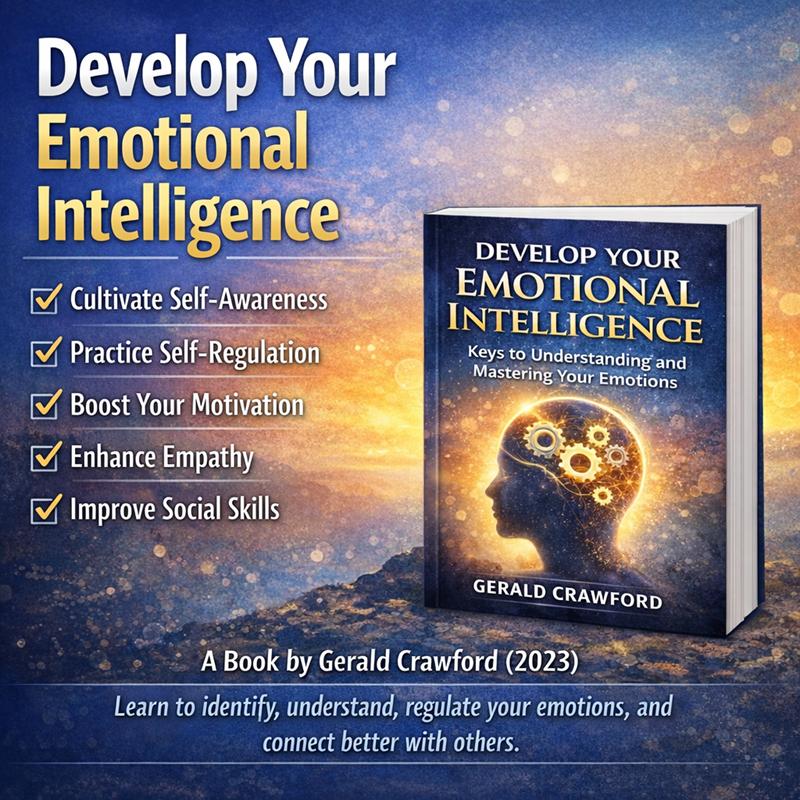
To develop Emotional Intelligence (EI), cultivate self-awareness by identifying and naming your emotions, self-regulation by managing those feelings, motivation by setting goals, empathy by understanding others' perspectives, and improving social skills through active listening and clear communication.

Tag: active listening

Conflict Resolution – Strategies for resolving conflicts: active listening, empathy, and problem-solving

Resolving conflicts requires effective communication, active listening, empathy, and problem-solving skills. Here are some strategies for resolving conflicts:

Active Listening:

1. Give the speaker your undivided attention: Make eye contact, put away distractions, and focus on the speaker.

2. Use verbal and nonverbal cues: Nod your head, use phrases like “uh-huh,” and ask open-ended questions to show you’re engaged.

3. Paraphrase and summarize: Repeat back what you’ve heard in your own words to ensure understanding and show you’re paying attention.

Empathy:

1. Try to understand the other person’s perspective: Put yourself in the other person’s shoes and try to see things from their point of view.

2. Acknowledge their feelings: Acknowledge the other person’s feelings and show that you understand they’re upset.

3. Show compassion: Show compassion and understanding towards the other person.

Problem-Solving:

1. Identify the problem: Clearly identify the problem and define it in a way that both parties can understand.

2. Brainstorm solutions: Brainstorm potential solutions and evaluate their pros and cons.

3. Choose a solution: Choose a solution that works for both parties and implement it.

Benefits of Conflict Resolution:

1. Improved relationships: Conflict resolution can help improve relationships and build trust.

2. Increased understanding: Conflict resolution can help increase understanding and empathy between parties.

3. Reduced stress: Conflict resolution can help reduce stress and anxiety.

Challenges to Conflict Resolution:

1. Emotional barriers: Emotions like anger, fear, or sadness can create barriers to conflict resolution.

2. Communication barriers: Communication barriers, such as language or cultural differences, can create challenges for conflict resolution.

3. Power imbalances: Power imbalances, such as differences in authority or status, can create challenges for conflict resolution.

By using these strategies, individuals can effectively resolve conflicts and improve their relationships.

Effective Communication – Strategies for effective communication: active listening, clear expression of emotions, and assertiveness

Effective communication is a crucial aspect of building strong relationships, resolving conflicts, and achieving personal and professional goals. Here are some key strategies for effective communication:

Active Listening:

1. Give the speaker your undivided attention: Make eye contact, put away distractions, and focus on the speaker.

2. Use verbal and nonverbal cues: Nod your head, use phrases like “uh-huh,” and ask open-ended questions to show you’re engaged.

3. Paraphrase and summarize: Repeat back what you’ve heard in your own words to ensure understanding and show you’re paying attention.

Clear Expression of Emotions:

1. Identify and label your emotions: Recognize how you’re feeling and use “I” statements to express your emotions, such as “I feel frustrated when…”

2. Be specific and descriptive: Instead of saying “you always,” say “I’ve noticed that…” to express your feelings and thoughts.

3. Use nonverbal communication: Use facial expressions, body language, and tone of voice to convey your emotions and engage with others.

Assertiveness:

1. Stand up for yourself: Express your needs and wants clearly and respectfully, without being aggressive or passive.

2. Use “I” statements: Instead of accusing or blaming others, use “I” statements to express your thoughts and feelings.

3. Set boundaries: Clearly communicate your limits and expectations to others, and be willing to say “no” when necessary.

Benefits of Effective Communication:

1. Improved relationships: Effective communication can help build stronger, more meaningful relationships.

2. Increased productivity: Clear communication can help you avoid misunderstandings and achieve your goals more efficiently.

3. Reduced stress and conflict: Effective communication can help you manage conflicts and reduce stress.

Challenges to Effective Communication:

1. Emotional barriers: Emotions like anger, fear, or sadness can create barriers to effective communication.

2. Language barriers: Language differences can create challenges for effective communication.

3. Cultural differences: Cultural differences can impact communication styles and create challenges for effective communication.

By practicing active listening, clear expression of emotions, and assertiveness, you can improve your communication skills and build stronger, more meaningful relationships.

Empathy and Compassion – Strategies for developing empathy: active listening, perspective-taking, and emotional validation

Empathy and compassion are essential components of healthy relationships. Here’s an overview of the importance of empathy and compassion in relationships:

Empathy:

1. Definition: Empathy is the ability to understand and share the feelings of another person.

2. Importance: Empathy is crucial in relationships, as it allows individuals to connect with each other on a deeper level.

Compassion:

1. Definition: Compassion is the ability to feel concern and kindness for another person’s suffering.

2. Importance: Compassion is essential in relationships, as it allows individuals to provide emotional support and care for each other.

Benefits of Empathy and Compassion:

1. Stronger relationships: Empathy and compassion can help build stronger, more meaningful relationships.

2. Improved communication: Empathy and compassion can improve communication, as individuals are more likely to listen actively and respond with understanding.

3. Increased trust: Empathy and compassion can increase trust, as individuals feel more secure and supported in their relationships.

Challenges to Empathy and Compassion:

1. Difficulty with emotional regulation: Emotional regulation can be challenging, especially for individuals with mental health conditions.

2. Limited access to resources: Access to resources, such as therapy or support groups, may be limited.

3. Individual differences: People may respond differently to empathy and compassion, and some may struggle to provide or receive empathy and compassion.

Strategies for Cultivating Empathy and Compassion:

1. Practice active listening: Listen actively and attentively to others, focusing on their words, tone, and body language.

2. Engage in perspective-taking: Try to see things from another person’s perspective, and imagine how they might be feeling.

3. Develop emotional awareness: Develop awareness of your own emotions and how they impact your behavior.

By cultivating empathy and compassion, individuals can build stronger, more meaningful relationships, improve communication, and increase trust.

Step-up and get your seat on my VIP Emotional Intelligence Mentorship Program for 2026

X
Back a Buddy Show your Support