
To develop Emotional Intelligence (EI), cultivate self-awareness by identifying and naming your emotions, self-regulation by managing those feelings, motivation by setting goals, empathy by understanding others' perspectives, and improving social skills through active listening and clear communication.

Tag: Self-Awareness (Page 1 of 2)

Self-Awareness – Identifying, naming, and understanding emotions

Self-awareness – especially around emotions – is one of the most powerful skills you can develop. It’s the foundation of emotional intelligence, better decision-making, and stronger relationships.

Let’s break it down clearly and practically:


What Is Emotional Self-Awareness?

Emotional self-awareness is your ability to:

  • Notice what you’re feeling
  • Name the emotion accurately
  • Understand why you feel that way
  • Recognize how it influences your behavior

It moves you from reacting automatically → to responding intentionally.


1. Identifying Emotions (Noticing)

This is about catching emotions as they arise, not after they’ve already driven your behavior.

Signals to look for:

  • Body cues: tight chest, clenched jaw, fatigue, restlessness
  • Thought patterns: “This isn’t fair,” “I’m not good enough,” “They don’t respect me”
  • Behavior shifts: withdrawing, snapping, over-talking, shutting down

Most people skip this step and only realize emotions after damage is done.


2. Naming Emotions (Labeling)

Many people default to basic labels like:

  • “I’m angry”
  • “I’m stressed”
  • “I’m fine”

But emotional precision matters.

Go deeper:

  • Instead of angry → frustrated, resentful, irritated, disrespected
  • Instead of sad → disappointed, rejected, lonely, discouraged
  • Instead of stressed → overwhelmed, pressured, anxious, uncertain

Research shows that naming emotions reduces their intensity (this is called affect labeling).


3. Understanding Emotions (Meaning)

Every emotion carries a message.

Ask yourself:

  • What triggered this?
  • What does this feeling say about what I value?
  • What need is not being met?

Examples:

  • Anger → boundary crossed
  • Anxiety → uncertainty or lack of control
  • Sadness → loss or unmet expectation
  • Jealousy → fear of losing something important

Emotions are not problems—they are data.


4. Connecting Emotions to Behavior

This is where self-awareness becomes powerful.

Ask:

  • How is this emotion influencing what I’m about to do?
  • Is this reaction helping or hurting me?

Example:

  • Feeling disrespected → snapping at someone → damages relationship
  • Feeling anxious → overworking → burnout

Awareness creates a pause between feeling and action.


Practical Exercise (Daily 2-Minute Check-In)

Try this simple structure:

  1. What am I feeling right now?
  2. Where do I feel it in my body?
  3. What triggered it?
  4. What do I need right now?

Do this:

  • After meetings
  • During conflict
  • Before making decisions

The Real Shift

Without self-awareness:

  • You are controlled by emotions

With self-awareness:

  • You work with emotions

A Deeper Truth

Self-awareness is not about “fixing” yourself.
It’s about knowing yourself clearly enough that your emotions stop running your life unconsciously.

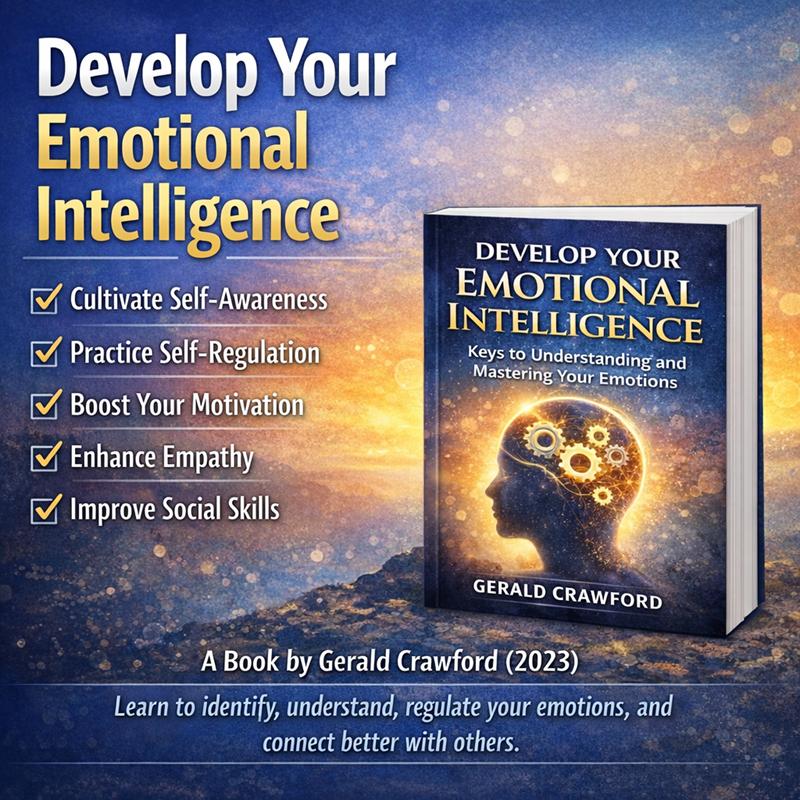
Real-world examples of how Emotional Intelligence has improved lives

To help illustrate the practical applications and benefits of Emotional Intelligence (EI), let’s explore some real-world examples and case studies of how EI has improved people’s lives.

These examples are categorized into different aspects of EI, including self-awarenessself-regulationmotivationempathy, and social skills.

Real-World Examples of Emotional Intelligence in Action

The following examples demonstrate how EI can be applied in various contexts to achieve positive outcomes:

Self-Awareness

Steve Jobs: Co-founder of Apple, known for his intense passion and perfectionism. However, his lack of EI led to difficulties in managing his emotions and relationships. After a temporary departure from Apple, Jobs developed his EI through self-reflection and meditation, which helped him become a more effective and empathetic leader.

Self-Regulation

Richard Branson: Founder of Virgin Group, Branson credits his EI for his ability to manage stress and stay calm under pressure. He practices mindfulness and meditation to regulate his emotions and maintain a positive outlook.

Motivation

Arianna Huffington: Founder of The Huffington Post, Huffington emphasizes the importance of EI in her success. She prioritizes self-care, including sleep, exercise, and meditation, to maintain her motivation and focus.

Empathy

Satya Nadella: CEO of Microsoft, Nadella transformed the company’s culture by prioritizing empathy and collaboration. He encourages employees to share their perspectives and listens actively to their concerns, fostering a more positive and inclusive work environment.

Social Skills

Oprah Winfrey: Media executive and former talk show host, Winfrey credits her EI for her ability to connect with people from diverse backgrounds. She practices active listening and empathy to build strong relationships with her guests, audience, and colleagues.

Case Studies: Emotional Intelligence in Action

The following case studies provide more in-depth examples of how EI can be applied in different contexts:

Case Study 1: EI in Leadership – Satya Nadella (Microsoft)

Background: Nadella became CEO of Microsoft in 2014, tasked with transforming the company’s culture.

EI Application: Nadella prioritized empathy and active listening, encouraging employees to share their perspectives and concerns.

Outcome: Microsoft’s culture shifted towards a more collaborative and innovative environment, leading to increased employee engagement and improved business performance.

Case Study 2: EI in Conflict Resolution – A Manager’s Story

Background: A manager at a marketing firm struggled with conflict resolution, often escalating issues with team members.

EI Application: The manager practiced empathy, active listening, and self-regulation to better understand and manage their emotions.

Outcome: The manager became more effective in resolving conflicts, leading to improved team dynamics and increased productivity.

Case Study 3: EI in Personal Relationships – A Mother’s Story

Background: A mother struggled to connect with her teenage daughter, leading to frequent arguments and stress.

EI Application: The mother practiced empathy, active listening, and self-awareness to better understand her daughter’s perspective and emotions.

Outcome: The mother and daughter developed a stronger, more empathetic relationship, reducing conflict and improving communication.

Case Study 4: EI in Customer Service – A Company’s Story

Background: A company struggled with customer complaints and negative reviews.

EI Application: The company trained employees in EI, focusing on empathy, active listening, and self-regulation.

Outcome: Customer satisfaction improved significantly, with a reduction in complaints and an increase in positive reviews.

By examining these real-world examples and case studies, we can see how EI can be applied in various contexts to achieve positive outcomes. Developing EI can lead to improved relationships, increased productivity, and enhanced overall well-being.

Emotional Intelligence and Personal Growth – Strategies for applying emotional intelligence to personal growth: self-awareness, self-regulation, and motivation

Emotional intelligence (EI) plays a crucial role in personal growth, as it enables individuals to understand and manage their own emotions, as well as the emotions of others. Here are some strategies for applying EI to personal growth:

Self-Awareness:

1. Reflect on your emotions: Take time to reflect on your emotions, values, and motivations.

2. Identify your strengths and weaknesses: Identify your strengths and weaknesses, and be honest with yourself about areas for improvement.

3. Practice mindfulness: Practice mindfulness and meditation to increase self-awareness.

Self-Regulation:

1. Develop emotional regulation strategies: Develop strategies to regulate your emotions, such as deep breathing, exercise, or meditation.

2. Practice self-compassion: Treat yourself with kindness, understanding, and patience.

3. Set boundaries: Set boundaries and prioritize your own needs.

Motivation:

1. Set goals and priorities: Set clear goals and priorities, and develop a plan to achieve them.

2. Find meaning and purpose: Find meaning and purpose in your life, and align your goals and actions with your values.

3. Celebrate successes: Celebrate your successes and accomplishments.

Benefits of Applying EI to Personal Growth:

1. Improved self-awareness: EI can help you develop a greater understanding of yourself and your emotions.

2. Increased self-regulation: EI can help you regulate your emotions and manage stress.

3. Greater motivation: EI can help you stay motivated and focused on your goals.

Challenges to Applying EI to Personal Growth:

1. Lack of self-awareness: It can be challenging to develop self-awareness and understand your own emotions.

2. Emotional regulation: It can be difficult to regulate your emotions and manage stress.

Strategies for Overcoming Challenges:

1. Seek feedback: Seek feedback from others to gain new insights and perspectives.

2. Practice mindfulness: Practice mindfulness and meditation to increase self-awareness and emotional regulation.

By applying EI to personal growth, individuals can develop greater self-awareness, self-regulation, and motivation, leading to a more fulfilling and successful life.

Emotional Intelligence and Leadership – Strategies for developing emotional intelligence as a leader: self-awareness, empathy, and communication

Developing emotional intelligence (EI) as a leader is crucial for effective leadership, as it enables leaders to understand and manage their own emotions, as well as the emotions of their team members. Here are some strategies for developing EI as a leader:

Self-Awareness:

1. Reflect on your emotions: Take time to reflect on your emotions, values, and motivations.

2. Identify your strengths and weaknesses: Identify your strengths and weaknesses, and be honest with yourself about areas for improvement.

3. Practice mindfulness: Practice mindfulness to increase your self-awareness and emotional regulation.

Empathy:

1. Put yourself in others’ shoes: Try to see things from others’ perspectives and understand their feelings.

2. Listen actively: Listen actively to others, and show that you care about their concerns.

3. Be open-minded: Be open-minded and non-judgmental, and try to understand others’ viewpoints.

Communication:

1. Communicate clearly and effectively: Communicate clearly and effectively, avoiding misunderstandings and conflicts.

2. Use “I” statements: Use “I” statements to express your thoughts and feelings, rather than “you” statements that can come across as accusatory.

3. Be transparent: Be transparent and honest in your communication, and be willing to share information and feedback.

Benefits of EI in Leadership:

1. Improved leadership effectiveness: EI can help leaders to lead more effectively, making informed decisions and building stronger relationships.

2. Increased employee engagement: EI can help leaders to motivate and engage their team members, leading to increased job satisfaction and reduced turnover.

3. Better communication: EI can help leaders to communicate more effectively, avoiding misunderstandings and conflicts.

Challenges to EI in Leadership:

1. Emotional labor: Leaders may struggle to manage their emotions, leading to burnout and decreased job satisfaction.

2. Conflicting priorities: Leaders may face conflicting priorities, making it challenging to manage their emotions and relationships.

3. Limited resources: Leaders may not have access to resources, such as training or support, to develop their EI.

Strategies for Overcoming Challenges:

1. Emotional intelligence training: Provide leaders with EI training, helping them to develop their EI and lead more effectively.

2. Coaching and feedback: Provide leaders with coaching and feedback on their EI, helping them to improve their skills.

3. Encourage self-care: Encourage leaders to prioritize self-care, reducing stress and improving emotional well-being.

By developing EI, leaders can improve their leadership effectiveness, build stronger relationships with their team members, and achieve greater success.

Self-Awareness – Understanding personal values and motivations

Understanding personal values and motivations is a crucial aspect of self-awareness. Here’s an overview of how to understand your personal values and motivations:

What are Personal Values?

Personal values are the principles, standards, or qualities that guide an individual’s behavior and decision-making. They are often deeply ingrained and can influence a person’s attitudes, beliefs, and actions.

Why are Personal Values Important?

1. Guide decision-making: Personal values serve as a guide for decision-making, helping individuals to make choices that align with their values.

2. Shape behavior: Personal values influence behavior, shaping how individuals interact with others and the world around them.

3. Provide meaning and purpose: Personal values can provide a sense of meaning and purpose, helping individuals to feel more directed and focused.

How to Identify Personal Values:

1. Reflect on your beliefs: Take time to reflect on your beliefs and values, considering what is most important to you.

2. Examine your behavior: Examine your behavior and decision-making patterns, looking for clues about your values.

3. Seek feedback: Seek feedback from others, asking them to share their perceptions of your values.

What are Motivations?

Motivations are the driving forces that inspire individuals to take action, pursue goals, and achieve success. They can be intrinsic (internal) or extrinsic (external).

Why are Motivations Important?

1. Drive behavior: Motivations drive behavior, influencing individuals to take action and pursue goals.

2. Influence decision-making: Motivations can influence decision-making, shaping how individuals approach challenges and opportunities.

3. Impact well-being: Motivations can impact well-being, influencing an individual’s sense of satisfaction, happiness, and fulfillment.

How to Understand Your Motivations:

1. Reflect on your goals: Reflect on your goals and aspirations, considering what motivates you to pursue them.

2. Examine your values: Examine your values, looking for connections between your values and motivations.

3. Seek feedback: Seek feedback from others, asking them to share their perceptions of your motivations.

Benefits of Understanding Personal Values and Motivations:

1. Improved decision-making: Understanding personal values and motivations can improve decision-making, helping individuals to make choices that align with their values and goals.

2. Increased self-awareness: Understanding personal values and motivations can increase self-awareness, helping individuals to better understand themselves and their place in the world.

3. Enhanced well-being: Understanding personal values and motivations can enhance well-being, leading to greater satisfaction, happiness, and fulfillment.

By taking the time to understand your personal values and motivations, you can gain a deeper understanding of yourself, make more informed decisions, and live a more authentic, fulfilling life.

« Older posts

Step-up and get your seat on my VIP Emotional Intelligence Mentorship Program for 2026

X
Back a Buddy Show your Support