To develop Emotional Intelligence (EI), cultivate self-awareness by identifying and naming your emotions, self-regulation by managing those feelings, motivation by setting goals, empathy by understanding others' perspectives, and improving social skills through active listening and clear communication.

Category: Emotional Intelligence (Page 7 of 14)

Emotional Intelligence and Relationships – The importance of emotional intelligence in relationships

Emotional intelligence (EI) plays a crucial role in relationships, as it enables individuals to understand and manage their own emotions, as well as the emotions of their partner. Here are some key aspects of EI in relationships:

Why is EI Important in Relationships?

1. Improved communication: EI helps individuals to communicate effectively, avoiding misunderstandings and conflicts.

2. Increased empathy: EI enables individuals to understand and share the feelings of their partner, leading to increased empathy and compassion.

3. Better conflict resolution: EI helps individuals to resolve conflicts in a constructive and respectful manner.

Key Components of EI in Relationships:

1. Self-awareness: Individuals are aware of their own emotions, values, and motivations.

2. Emotional regulation: Individuals can manage their own emotions, impulses, and behaviors.

3. Empathy: Individuals can understand and share the feelings of their partner.

4. Social skills: Individuals can communicate effectively, build relationships, and manage conflicts.

Benefits of EI in Relationships:

1. Improved relationship satisfaction: EI can help individuals to build stronger, more satisfying relationships.

2. Increased trust: EI can help individuals to build trust and intimacy in their relationships.

3. Better conflict resolution: EI can help individuals to resolve conflicts in a constructive and respectful manner.

Challenges to EI in Relationships:

1. Emotional labor: Individuals may struggle to manage their emotions, leading to burnout and decreased relationship satisfaction.

2. Conflicting priorities: Individuals may face conflicting priorities, making it challenging to manage their emotions and relationships.

3. Limited resources: Individuals may not have access to resources, such as therapy or support, to develop their EI.

Strategies for Developing EI in Relationships:

1. Emotional intelligence training: Provide individuals with EI training, helping them to develop their EI and improve their relationships.

2. Couples therapy: Provide couples with therapy, helping them to develop their EI and improve their communication and conflict resolution skills.

3. Self-reflection: Encourage individuals to engage in self-reflection, helping them to develop their self-awareness and emotional regulation.

By developing EI, individuals can improve their relationships, build stronger connections with their partner, and achieve greater relationship satisfaction.

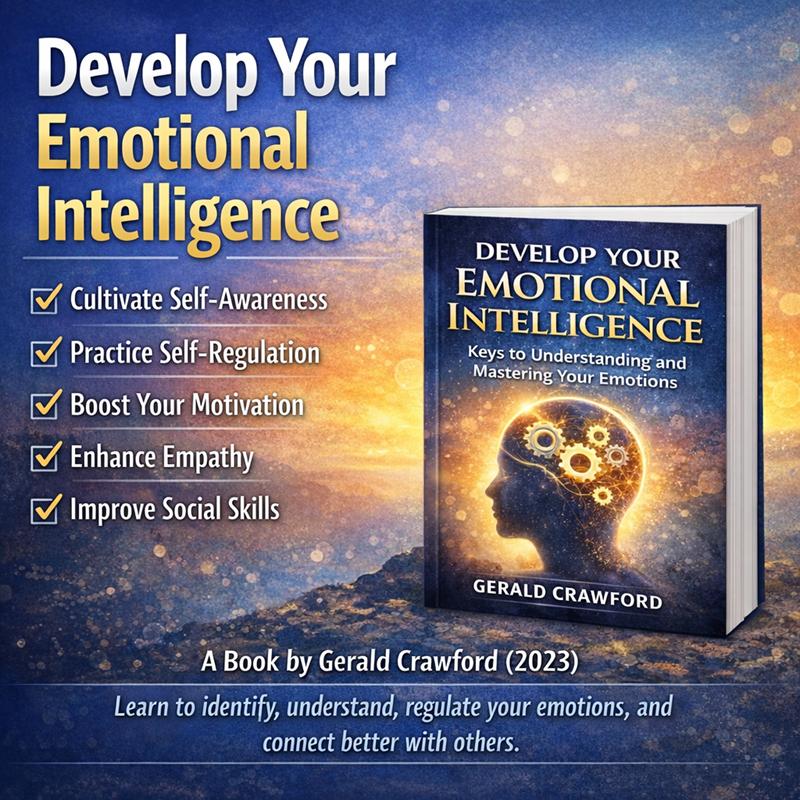
Resources and other books to read for further develop your Emotional Intelligence

Here are some resources and book recommendations for further developing emotional intelligence:

Here I am happy to provide you with some book recommendations to help you develop your Emotional Intelligence (EI).

Here are 10 books, along with a short summary for each:

1. “Emotional Intelligence: Why It Can Matter More Than IQ” by Daniel Goleman: This book introduces the concept of EI and explains how it can be more important than traditional intelligence in achieving success.

2. “The 7 Habits of Highly Effective People” by Stephen Covey: While not exclusively focused on EI, this book provides practical advice on how to develop habits that improve personal and professional relationships.

3. “Daring Greatly: How the Courage to Be Vulnerable Transforms the Way We Live, Love, Parent, and Lead” by Brené Brown: Brown explores the concept of vulnerability and how it relates to EI, arguing that being open and vulnerable is essential for building strong relationships.

4. “The Gifts of Imperfection” by Brené Brown: Another book by Brown, this one focuses on letting go of self-doubt and embracing our imperfections in order to develop greater EI.

5. “Mindset: The New Psychology of Success” by Carol S. Dweck: Dweck introduces the concept of the growth mindset, which is essential for developing EI and achieving success in various areas of life.

6. “Self-Compassion: The Proven Power of Being Kind to Yourself” by Kristin Neff: Neff argues that self-compassion is essential for developing EI, and provides practical advice on how to cultivate it.

7. “The Emotionally Intelligent Manager” by David R. Caruso: This book provides guidance on how to develop EI in a professional setting, with practical advice on how to manage emotions and build strong relationships.

8. “Social Intelligence: The New Science of Human Relationships” by Daniel Goleman: Goleman explores the concept of social intelligence, which is closely related to EI, and provides insights on how to develop stronger relationships.

9. “Waking the Tiger: Healing Trauma” by Peter A. Levine: While not traditionally considered an EI book, Levine’s work on trauma and healing can help readers develop greater self-awareness and EI.

10. “Focusing” by Eugene T. Gendlin: This book introduces the concept of focusing, a technique for developing greater self-awareness and EI by paying attention to bodily sensations and emotions.

As for additional resources, you may want to explore online courses or workshops on EI, such as those offered by Coursera, edX, or LinkedIn Learning. You can also find many TED Talks and YouTube videos on the topic of EI and personal development.

I hope you find these recommendations helpful, Gerald! Is there a particular aspect of EI you’d like to focus on, or any specific questions you have about these resources?

Online Resources:

1. Coursera: Offers online courses on emotional intelligence and related topics.

2. edX: Provides online courses and certifications on emotional intelligence and related topics.

3. LinkedIn Learning: Offers video courses and tutorials on emotional intelligence and related topics.

Websites:

1. Psychology Today: A website that provides articles, blogs, and therapist directories for mental health and wellness.

2. Mindful: A website that offers guided meditations, articles, and courses on mindfulness and emotional intelligence.

Apps:

1. Headspace: A meditation and mindfulness app that offers guided meditations and courses.

2. Calm: A meditation and relaxation app that offers guided meditations and courses.

Other Resources:

1. Therapy or counseling: Consider seeking help from a therapist or counselor to develop emotional intelligence.

2. Support groups: Join a support group to connect with others who are working on developing emotional intelligence.

By using these resources, you can continue to develop your emotional intelligence and improve your relationships, communication, and overall well-being.

Emotional Intelligence and Leadership – Building a positive and productive team through emotional intelligence

Developing emotional intelligence (EI) as a leader is crucial for effective leadership, as it enables leaders to understand and manage their own emotions, as well as the emotions of their team members. Here are some strategies for developing EI as a leader:

Self-Awareness:

1. Reflect on your emotions: Take time to reflect on your emotions, values, and motivations.

2. Identify your strengths and weaknesses: Identify your strengths and weaknesses, and be honest with yourself about areas for improvement.

3. Practice mindfulness: Practice mindfulness to increase your self-awareness and emotional regulation.

Empathy:

1. Put yourself in others’ shoes: Try to see things from others’ perspectives and understand their feelings.

2. Listen actively: Listen actively to others, and show that you care about their concerns.

3. Be open-minded: Be open-minded and non-judgmental, and try to understand others’ viewpoints.

Communication:

1. Communicate clearly and effectively: Communicate clearly and effectively, avoiding misunderstandings and conflicts.

2. Use “I” statements: Use “I” statements to express your thoughts and feelings, rather than “you” statements that can come across as accusatory.

3. Be transparent: Be transparent and honest in your communication, and be willing to share information and feedback.

Benefits of EI in Leadership:

1. Improved leadership effectiveness: EI can help leaders to lead more effectively, making informed decisions and building stronger relationships.

2. Increased employee engagement: EI can help leaders to motivate and engage their team members, leading to increased job satisfaction and reduced turnover.

3. Better communication: EI can help leaders to communicate more effectively, avoiding misunderstandings and conflicts.

Challenges to EI in Leadership:

1. Emotional labor: Leaders may struggle to manage their emotions, leading to burnout and decreased job satisfaction.

2. Conflicting priorities: Leaders may face conflicting priorities, making it challenging to manage their emotions and relationships.

3. Limited resources: Leaders may not have access to resources, such as training or support, to develop their EI.

Strategies for Overcoming Challenges:

1. Emotional intelligence training: Provide leaders with EI training, helping them to develop their EI and lead more effectively.

2. Coaching and feedback: Provide leaders with coaching and feedback on their EI, helping them to improve their skills.

3. Encourage self-care: Encourage leaders to prioritize self-care, reducing stress and improving emotional well-being.

By developing EI, leaders can improve their leadership effectiveness, build stronger relationships with their team members, and achieve greater success.

Emotional Intelligence and Leadership – The importance of emotional intelligence in leadership

Emotional intelligence (EI) is crucial for effective leadership, as it enables leaders to understand and manage their own emotions, as well as the emotions of their team members. Here are some key aspects of EI in leadership:

Why is EI Important in Leadership?

1. Improved relationships: EI helps leaders build strong relationships with their team members, which can improve communication, collaboration, and productivity.

2. Better decision-making: EI enables leaders to make informed decisions, taking into account the emotional and social implications of their actions.

3. Increased employee engagement: EI helps leaders to motivate and engage their team members, leading to increased job satisfaction and reduced turnover.

Key Components of EI in Leadership:

1. Self-awareness: Leaders are aware of their own emotions, values, and motivations.

2. Emotional regulation: Leaders can manage their own emotions, impulses, and behaviors.

3. Empathy: Leaders can understand and share the feelings of their team members.

4. Social skills: Leaders can communicate effectively, build relationships, and manage conflicts.

Benefits of EI in Leadership:

1. Improved leadership effectiveness: EI can help leaders to lead more effectively, making informed decisions and building stronger relationships.

2. Increased employee satisfaction: EI can help leaders to motivate and engage their team members, leading to increased job satisfaction and reduced turnover.

3. Better communication: EI can help leaders to communicate more effectively, avoiding misunderstandings and conflicts.

Challenges to EI in Leadership:

1. Emotional labor: Leaders may struggle to manage their emotions, leading to burnout and decreased job satisfaction.

2. Conflicting priorities: Leaders may face conflicting priorities, making it challenging to manage their emotions and relationships.

3. Limited resources: Leaders may not have access to resources, such as training or support, to develop their EI.

Strategies for Developing EI in Leadership:

1. Emotional intelligence training: Provide leaders with EI training, helping them to develop their EI and lead more effectively.

2. Coaching and feedback: Provide leaders with coaching and feedback on their EI, helping them to improve their skills.

3. Self-reflection: Encourage leaders to engage in self-reflection, helping them to develop their self-awareness and emotional regulation.

By developing EI, leaders can improve their leadership effectiveness, build stronger relationships with their team members, and achieve greater success.

Emotional Intelligence in the Workplace – Strategies for applying emotional intelligence in the workplace: teamwork, leadership, and communication

Emotional Intelligence in the Workplace: Strategies for Teamwork, Leadership, and Communication

Emotional intelligence (EI) is a vital skill for professionals to succeed in the workplace. It involves the ability to recognize and understand emotions in oneself and others, and to use this awareness to guide thought and behavior. Here are some strategies for applying EI in the workplace:

Teamwork

1. Collaborative mindset: Encourage a collaborative mindset among team members, promoting a sense of shared responsibility and mutual support.

2. Emotional awareness: Foster emotional awareness among team members, helping them to recognize and manage their emotions in a team setting.

3. Effective communication: Encourage open and effective communication among team members, promoting active listening and empathy.

4. Conflict resolution: Teach team members how to resolve conflicts in a constructive and respectful manner.

Leadership

1. Lead by example: Leaders should model EI behaviors, demonstrating empathy, self-awareness, and effective communication.

2. Emotional intelligence training: Provide leaders with EI training, helping them to develop their EI and lead more effectively.

3. Emotional awareness: Encourage leaders to be aware of their own emotions and the emotions of their team members.

4. Coaching and feedback: Provide leaders with coaching and feedback on their EI, helping them to improve their skills.

Communication

1. Active listening: Encourage active listening among team members, promoting empathy and understanding.

2. Clear communication: Communicate clearly and effectively, avoiding misunderstandings and conflicts.

3. Emotional awareness: Be aware of the emotions of others, and respond in a way that is empathetic and supportive.

4. Nonverbal communication: Be aware of nonverbal cues, such as body language and tone of voice, and use them to communicate effectively.

Benefits of EI in the Workplace

1. Improved teamwork: EI can help to improve teamwork, promoting collaboration and reducing conflicts.

2. Increased productivity: EI can help to increase productivity, by reducing stress and improving communication.

3. Better leadership: EI can help leaders to lead more effectively, making informed decisions and building stronger relationships.

Challenges to Applying EI in the Workplace

1. Emotional labor: Employees may struggle to manage their emotions, leading to burnout and decreased job satisfaction.

2. Conflicting priorities: Employees may face conflicting priorities, making it challenging to manage their emotions and relationships.

3. Limited resources: Employees may not have access to resources, such as training or support, to develop their EI.

Strategies for Overcoming Challenges

1. Emotional intelligence training: Provide employees with EI training, helping them to develop their EI and manage their emotions more effectively.

2. Coaching and feedback: Provide employees with coaching and feedback on their EI, helping them to improve their skills.

3. Encourage self-care: Encourage employees to prioritize self-care, reducing stress and improving emotional well-being.

By applying these strategies, professionals can develop their EI and improve their teamwork, leadership, and communication skills, leading to greater success and well-being in the workplace.

« Older posts Newer posts »

Step-up and get your seat on my VIP Emotional Intelligence Mentorship Program for 2026

X
Back a Buddy Show your Support