To develop Emotional Intelligence (EI), cultivate self-awareness by identifying and naming your emotions, self-regulation by managing those feelings, motivation by setting goals, empathy by understanding others' perspectives, and improving social skills through active listening and clear communication.

Tag: emotions

Understanding Emotions – The impact of emotions on behaviour and decision-making

Emotions play a significant role in shaping our behavior and decision-making. Here’s an overview of the impact of emotions on behavior and decision-making:

The Impact of Emotions on Behaviour:

1. Emotional Triggers: Emotions can trigger certain behaviors, such as aggression, fear, or excitement.

2. Emotional Regulation: Emotions can influence our ability to regulate our behavior, leading to impulsive or reckless actions.

3. Motivation: Emotions can motivate us to take action, pursue goals, and achieve success.

The Impact of Emotions on Decision-Making:

1. Emotions as Information: Emotions can serve as information, influencing our decisions and judgments.

2. Emotional Biases: Emotions can lead to biases and heuristics, influencing our decision-making processes.

3. Risk-Taking: Emotions can influence our willingness to take risks, leading to either more cautious or more reckless decisions.

The Role of Emotions in Decision-Making:

1. Intuition: Emotions can play a role in intuition, influencing our gut feelings and instincts.

2. Emotional Experience: Emotions can influence our emotional experience, shaping our perceptions and judgments.

3. Decision-Making Styles: Emotions can influence our decision-making styles, leading to more impulsive or more deliberate decisions.

The Impact of Emotions on Relationships:

1. Emotional Contagion: Emotions can be contagious, influencing the emotions and behaviors of others.

2. Empathy and Compassion: Empathy and compassion are essential for building strong, supportive relationships.

Managing Emotions:

1. Emotional Awareness: Emotional awareness involves recognizing and understanding one’s own emotions and the emotions of others.

2. Emotional Regulation: Emotional regulation involves managing and regulating one’s own emotions and the emotions of others.

3. Mindfulness: Mindfulness involves being present and aware in the moment, without judgment.

Developing Emotional Intelligence:

1. Self-Awareness: Self-awareness involves understanding one’s own emotions, values, and motivations.

2. Emotional Regulation: Emotional regulation involves managing and regulating one’s own emotions and the emotions of others.

3. Empathy and Compassion: Empathy and compassion involve understanding and responding to the emotions and needs of others.

By understanding the impact of emotions on behavior and decision-making, individuals can develop greater emotional intelligence, manage their emotions more effectively, and build stronger, more supportive relationships.

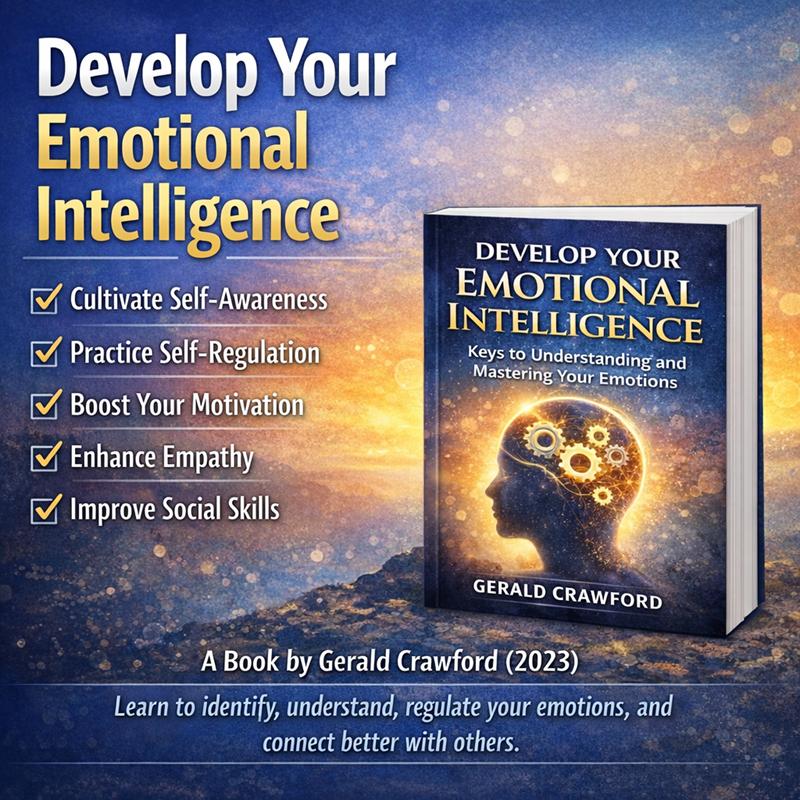
Understanding Emotions – The basics of emotions: recognition, regulation, and expression

Understanding emotions is a crucial aspect of emotional intelligence. Here’s an overview of the basics of emotions:

What are Emotions?

Emotions are complex psychological and physiological states that people experience in response to various stimuli, such as thoughts, experiences, or social interactions. Emotions can be positive or negative, and they play a significant role in shaping our behavior, decision-making, and relationships.

The Basics of Emotions:

1. Recognition: Emotions can be recognized through various cues, such as facial expressions, body language, and physiological responses.

2. Regulation: Emotions can be regulated through various strategies, such as cognitive reappraisal, emotional suppression, and mindfulness.

3. Expression: Emotions can be expressed through various channels, such as verbal communication, nonverbal communication, and creative expression.

Types of Emotions:

1. Primary Emotions: Primary emotions are innate and universal, and they include emotions such as happiness, sadness, fear, anger, and surprise.

2. Secondary Emotions: Secondary emotions are more complex and nuanced, and they can be influenced by cultural, social, and personal factors.

Emotional Regulation:

1. Emotional Awareness: Emotional awareness involves recognizing and understanding one’s own emotions and the emotions of others.

2. Emotional Regulation Strategies: Emotional regulation strategies include cognitive reappraisal, emotional suppression, and mindfulness.

The Role of Emotions in Decision-Making:

1. Emotions as Information: Emotions can serve as information, influencing our decisions and judgments.

2. Emotions as Motivation: Emotions can motivate us to take action, pursue goals, and achieve success.

The Impact of Emotions on Relationships:

1. Emotional Contagion: Emotions can be contagious, influencing the emotions and behaviors of others.

2. Empathy and Compassion: Empathy and compassion are essential for building strong, supportive relationships.

Developing Emotional Awareness:

1. Self-Reflection: Self-reflection involves examining one’s own thoughts, feelings, and behaviors.

2. Mindfulness: Mindfulness involves being present and aware in the moment, without judgment.

3. Emotional Labeling: Emotional labeling involves identifying and labeling one’s own emotions.

By understanding the basics of emotions, individuals can develop greater emotional awareness, regulate their emotions more effectively, and build stronger, more supportive relationships.

Question and Answer: Do you react impulsively when emotions run high? How can I address this by development my Emotional Intelligence?

Q: Do you react impulsively when emotions run high?

A: Many people struggle with impulsive reactions—snapping at others, shutting down, saying things they later regret, or making quick decisions fueled by stress or frustration.
This happens because strong emotions overwhelm the brain’s ability to pause, think, and respond intentionally.

Impulsivity under emotional pressure is not a character flaw; it’s a sign that your Emotional Intelligence (EI)—especially emotional regulation—needs strengthening.


Q: How can I address impulsive reactions by developing my Emotional Intelligence?

Developing Emotional Intelligence gives you tools to pause, understand, and choose your responses instead of reacting automatically. Here’s how each EI skill helps:


1. Strengthen Self-Awareness

Impulsive reactions often happen because you don’t notice emotional escalation until it’s too late.

EI Practices:

  • Identify your early emotional “warning signs” (tight chest, fast speech, irritability).
  • Label your emotions in the moment: “I’m frustrated,” “I’m overwhelmed.”
  • Reflect afterward: “What triggered that reaction?”

Why it works:
Naming emotions lowers their intensity and gives you back cognitive control.


2. Improve Self-Management

This is the core skill for reducing impulsivity.

EI Practices:

  • Use the PAUSE technique: Stop → Breathe → Think → Choose.
  • Take a brief time-out before responding.
  • Count to 10 or take slow deep breaths to calm the nervous system.
  • Practice grounding techniques like feeling your feet on the floor or relaxing your shoulders.

Why it works:
It creates a gap between emotions and actions—giving you space to respond thoughtfully.


3. Build Social Awareness (Empathy)

Understanding others’ feelings helps you react with consideration rather than impulse.

EI Practices:

  • Ask yourself: “How is the other person feeling right now?”
  • Look for emotional cues in tone and body language.
  • Pause to consider the impact your reaction may have.

Why it works:
Empathy slows down emotional reactivity and encourages a more measured response.


4. Strengthen Relationship Management

Emotional Intelligence helps you communicate clearly and respectfully, even under stress.

EI Practices:

  • Use “I” statements to express difficult feelings without attacking.
  • Practice assertiveness: calm, clear, grounded communication.
  • Repair quickly when you react impulsively: “I apologize — that reaction wasn’t helpful.”

Why it works:
It preserves trust and reduces conflict, even during emotionally charged moments.


Practical EI Tools to Reduce Impulsive Reactions

  • The 90-Second Rule Let emotional intensity rise and fall for 90 seconds before acting.
  • Emotional Journaling Track triggers, reactions, and what you wish you’d done differently.
  • Breathing Reset 4-second inhale → 6-second exhale to calm the nervous system.
  • Reframe Your Thoughts Ask: “What is a more helpful way to see this situation?”

Set Intentions Before difficult conversations:

“I will stay calm. I will listen first. I will respond thoughtfully.”


What benefits will I see by building EI to manage impulsive reactions?

You will experience:

  • More control during emotional moments
  • Fewer regrets after reacting
  • Healthier communication
  • Less conflict
  • Improved relationships
  • Higher confidence
  • Better decision-making under stress
  • A stronger sense of emotional stability

Step-up and get your seat on my VIP Emotional Intelligence Mentorship Program for 2026

X
Back a Buddy Show your Support