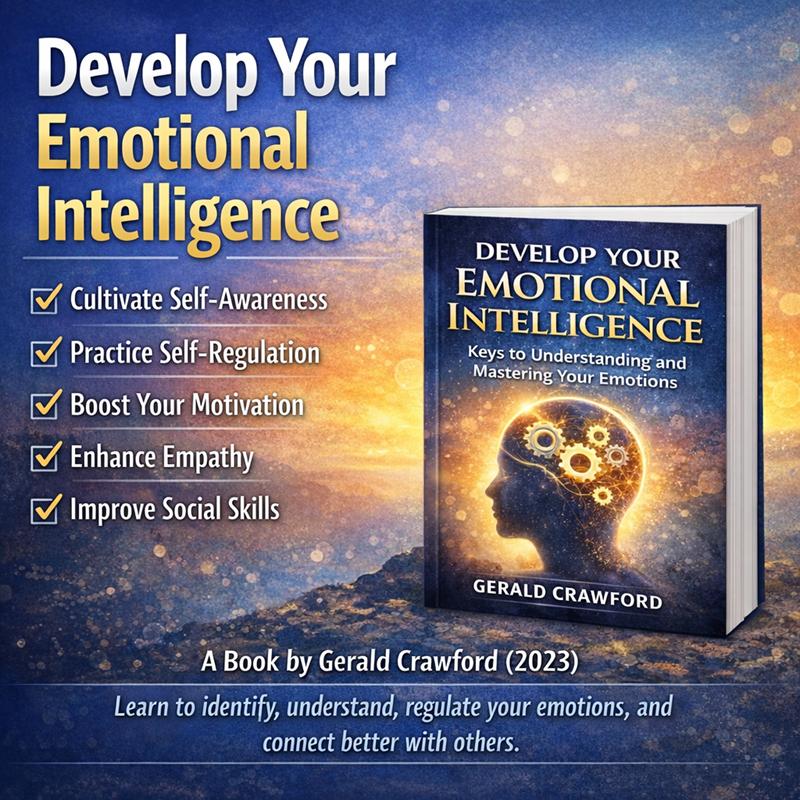
To develop Emotional Intelligence (EI), cultivate self-awareness by identifying and naming your emotions, self-regulation by managing those feelings, motivation by setting goals, empathy by understanding others' perspectives, and improving social skills through active listening and clear communication.

Category: Emotional Intelligence (Page 6 of 14)

Emotional Intelligence and Personal Growth – Strategies for applying emotional intelligence to personal growth: self-awareness, self-regulation, and motivation

Emotional intelligence (EI) plays a crucial role in personal growth, as it enables individuals to understand and manage their own emotions, as well as the emotions of others. Here are some strategies for applying EI to personal growth:

Self-Awareness:

1. Reflect on your emotions: Take time to reflect on your emotions, values, and motivations.

2. Identify your strengths and weaknesses: Identify your strengths and weaknesses, and be honest with yourself about areas for improvement.

3. Practice mindfulness: Practice mindfulness and meditation to increase self-awareness.

Self-Regulation:

1. Develop emotional regulation strategies: Develop strategies to regulate your emotions, such as deep breathing, exercise, or meditation.

2. Practice self-compassion: Treat yourself with kindness, understanding, and patience.

3. Set boundaries: Set boundaries and prioritize your own needs.

Motivation:

1. Set goals and priorities: Set clear goals and priorities, and develop a plan to achieve them.

2. Find meaning and purpose: Find meaning and purpose in your life, and align your goals and actions with your values.

3. Celebrate successes: Celebrate your successes and accomplishments.

Benefits of Applying EI to Personal Growth:

1. Improved self-awareness: EI can help you develop a greater understanding of yourself and your emotions.

2. Increased self-regulation: EI can help you regulate your emotions and manage stress.

3. Greater motivation: EI can help you stay motivated and focused on your goals.

Challenges to Applying EI to Personal Growth:

1. Lack of self-awareness: It can be challenging to develop self-awareness and understand your own emotions.

2. Emotional regulation: It can be difficult to regulate your emotions and manage stress.

Strategies for Overcoming Challenges:

1. Seek feedback: Seek feedback from others to gain new insights and perspectives.

2. Practice mindfulness: Practice mindfulness and meditation to increase self-awareness and emotional regulation.

By applying EI to personal growth, individuals can develop greater self-awareness, self-regulation, and motivation, leading to a more fulfilling and successful life.

Mindfulness and Emotional Intelligence – The importance of mindfulness in emotional intelligence

Mindfulness is a crucial aspect of emotional intelligence, as it enables individuals to develop a greater awareness of their thoughts, emotions, and bodily sensations. Here are some key aspects of mindfulness and emotional intelligence:

What is Mindfulness?

Mindfulness is the practice of paying attention to the present moment, without judgment or distraction. It involves cultivating a non-judgmental awareness of one’s thoughts, emotions, and bodily sensations.

How Does Mindfulness Relate to Emotional Intelligence?

1. Increased self-awareness: Mindfulness helps individuals develop a greater awareness of their thoughts, emotions, and bodily sensations, which is essential for emotional intelligence.

2. Improved emotional regulation: Mindfulness enables individuals to regulate their emotions more effectively, by becoming more aware of their emotional responses and learning to manage them.

3. Enhanced empathy and compassion: Mindfulness can help individuals develop a greater sense of empathy and compassion, by increasing their awareness of the emotions and needs of others.

Benefits of Mindfulness in Emotional Intelligence:

1. Improved emotional well-being: Mindfulness can help individuals manage stress, anxiety, and other negative emotions, leading to improved emotional well-being.

2. Increased self-awareness: Mindfulness can help individuals develop a greater awareness of their thoughts, emotions, and bodily sensations, leading to increased self-awareness.

3. Better relationships: Mindfulness can help individuals develop more positive and meaningful relationships, by increasing their empathy and compassion.

How to Practice Mindfulness:

1. Meditation: Sit comfortably, close your eyes, and focus on your breath or a mantra.

2. Body scan: Lie down or sit comfortably, and focus on different parts of your body, starting from your toes and moving up to your head.

3. Mindful movement: Engage in physical activities like yoga, tai chi, or walking while being mindful of your breath and bodily sensations.

Challenges to Practicing Mindfulness:

1. Difficulty quieting the mind: It can be challenging to quiet the mind and focus on the present moment.

2. Physical discomfort: Physical discomfort or pain can make it difficult to practice mindfulness.

3. Lack of motivation: It can be challenging to stay motivated and consistent with a mindfulness practice.

Strategies for Overcoming Challenges:

1. Start small: Begin with short mindfulness exercises and gradually increase the duration.

2. Find a quiet and comfortable space: Identify a quiet and comfortable space where you can practice mindfulness without distractions.

3. Seek guidance: Consult with a mindfulness teacher or use guided meditation apps to help you get started.

By incorporating mindfulness into your daily life, you can develop greater emotional intelligence, improve your relationships, and enhance your overall well-being.

Overcoming Emotional Challenges – Strategies for overcoming emotional challenges: anxiety, depression, and trauma

Overcoming emotional challenges such as anxiety, depression, and trauma requires a combination of self-awareness, coping strategies, and support. Here are some strategies that can help:

Anxiety:

1. Deep breathing exercises: Deep breathing can help calm the mind and body, reducing anxiety.

2. Progressive muscle relaxation: This technique involves tensing and relaxing different muscle groups to release physical tension.

3. Mindfulness meditation: Mindfulness meditation can help individuals stay present and focused, reducing anxiety.

4. Cognitive-behavioral therapy (CBT): CBT is a helpful therapy for anxiety, as it helps individuals identify and challenge negative thought patterns.

Depression:

1. Seek professional help: Depression is a serious mental health condition that requires professional help. A therapist can help individuals develop coping strategies and provide support.

2. Exercise: Exercise can help improve mood and reduce symptoms of depression.

3. Social support: Social support from friends, family, or a support group can help individuals feel less isolated and more connected.

4. Self-care: Self-care activities such as getting enough sleep, eating a healthy diet, and engaging in enjoyable activities can help improve mood.

Trauma:

1. Seek professional help: Trauma is a serious emotional challenge that requires professional help. A therapist can help individuals process their emotions and develop coping strategies.

2. Support groups: Support groups can provide a safe and supportive environment for individuals to share their experiences and connect with others.

3. Self-care: Self-care activities such as getting enough sleep, eating a healthy diet, and engaging in enjoyable activities can help improve mood and reduce stress.

4. Mindfulness and relaxation techniques: Mindfulness and relaxation techniques such as deep breathing, progressive muscle relaxation, and meditation can help individuals manage stress and anxiety.

General Strategies:

1. Practice self-compassion: Treat yourself with kindness and understanding, just as you would a close friend.

2. Stay connected: Stay connected with friends, family, or a support group to build a sense of community and support.

3. Engage in activities you enjoy: Engage in activities that bring you joy and help you relax.

4. Seek professional help: Don’t be afraid to seek professional help if you’re struggling with emotional challenges. A therapist can provide you with the support and guidance you need to overcome emotional challenges.

By using these strategies, individuals can develop the skills and resilience needed to overcome emotional challenges and improve their overall well-being.

Emotional Intelligence and Relationships – Building strong and Emotional Intelligence and Relationships through emotional intelligence

Building strong and healthy relationships through emotional intelligence (EI) is crucial for personal and professional success. Here are some key aspects of EI in relationships:

Why is EI Important in Relationships?

1. Improved communication: EI helps individuals communicate effectively, avoiding misunderstandings and conflicts.

2. Increased empathy: EI enables individuals to understand and share the feelings of others, leading to increased empathy and compassion.

3. Better conflict resolution: EI helps individuals resolve conflicts in a constructive and respectful manner.

Key Components of EI in Relationships:

1. Self-awareness: Individuals are aware of their own emotions, values, and motivations.

2. Emotional regulation: Individuals can manage their own emotions, impulses, and behaviors.

3. Empathy: Individuals can understand and share the feelings of others.

4. Social skills: Individuals can communicate effectively, build relationships, and manage conflicts.

Strategies for Building Strong and Healthy Relationships through EI:

1. Practice active listening: Listen carefully to others, and respond in a way that shows you understand and care about their feelings.

2. Express yourself clearly and assertively: Express yourself clearly and assertively, without being aggressive or passive.

3. Be empathetic and understanding: Try to understand the other person’s perspective, and acknowledge their feelings.

4. Use nonverbal communication effectively: Use nonverbal cues, such as body language and tone of voice, to communicate effectively.

Benefits of Building Strong and Healthy Relationships through EI:

1. Improved relationship satisfaction: EI can help individuals build stronger, more satisfying relationships.

2. Increased trust: EI can help individuals build trust and intimacy in their relationships.

3. Better conflict resolution: EI can help individuals resolve conflicts in a constructive and respectful manner.

Challenges to Building Strong and Healthy Relationships through EI:

1. Emotional labor: Individuals may struggle to manage their emotions, leading to burnout and decreased relationship satisfaction.

2. Conflicting priorities: Individuals may face conflicting priorities, making it challenging to manage their emotions and relationships.

3. Limited resources: Individuals may not have access to resources, such as therapy or support, to develop their EI.

Strategies for Overcoming Challenges:

1. Emotional intelligence training: Provide individuals with EI training, helping them to develop their EI and improve their relationships.

2. Couples therapy: Provide couples with therapy, helping them to develop their EI and improve their communication and conflict resolution skills.

3. Self-reflection: Encourage individuals to engage in self-reflection, helping them to develop their self-awareness and emotional regulation.

By developing EI and using these strategies, individuals can build strong and healthy relationships, improve their communication and conflict resolution skills, and increase their overall well-being.

Also, you can use the following resources to help you:

1. Books: “Emotional Intelligence” by Daniel Goleman, “The 7 Habits of Highly Effective People” by Stephen Covey.

2. Online courses: Coursera, edX, and LinkedIn Learning offer a wide range of courses on EI and related topics.

3. Therapy: Individual or couples therapy can help individuals develop their EI and improve their relationships.

I hope this helps! Let me know if you have any other questions.

Emotional Intelligence and Relationships – Strategies for applying emotional intelligence in relationships: communication, empathy, and conflict resolution

Applying emotional intelligence (EI) in relationships can help individuals build stronger, more meaningful connections with others. Here are some strategies for applying EI in relationships:

Communication:

1. Active listening: Listen carefully to the other person, and respond in a way that shows you understand and care about their feelings.

2. Clear expression: Express yourself clearly and assertively, without being aggressive or passive.

3. Nonverbal communication: Be aware of your nonverbal cues, such as body language and tone of voice, and use them to communicate effectively.

Empathy:

1. Try to understand the other person’s perspective: Put yourself in the other person’s shoes and try to see things from their point of view.

2. Acknowledge their feelings: Acknowledge the other person’s feelings and show that you understand they’re upset.

3. Show compassion: Show compassion and understanding towards the other person.

Conflict Resolution:

1. Stay calm: Stay calm and composed, even in the midst of a conflict.

2. Listen actively: Listen actively to the other person’s concerns and respond in a way that shows you’re willing to work towards a resolution.

3. Seek common ground: Seek common ground and try to find a solution that works for both parties.

Benefits of Applying EI in Relationships:

1. Improved communication: EI can help individuals communicate more effectively, avoiding misunderstandings and conflicts.

2. Increased empathy: EI can help individuals understand and share the feelings of others, leading to increased empathy and compassion.

3. Stronger relationships: EI can help individuals build stronger, more meaningful relationships.

Challenges to Applying EI in Relationships:

1. Emotional labor: Individuals may struggle to manage their emotions, leading to burnout and decreased relationship satisfaction.

2. Conflicting priorities: Individuals may face conflicting priorities, making it challenging to manage their emotions and relationships.

3. Limited resources: Individuals may not have access to resources, such as therapy or support, to develop their EI.

Strategies for Overcoming Challenges:

1. Emotional intelligence training: Provide individuals with EI training, helping them to develop their EI and improve their relationships.

2. Couples therapy: Provide couples with therapy, helping them to develop their EI and improve their communication and conflict resolution skills.

3. Self-reflection: Encourage individuals to engage in self-reflection, helping them to develop their self-awareness and emotional regulation.

By applying EI in relationships, individuals can build stronger, more meaningful connections with others and improve their overall well-being.

« Older posts Newer posts »

Step-up and get your seat on my VIP Emotional Intelligence Mentorship Program for 2026

X
Back a Buddy Show your Support