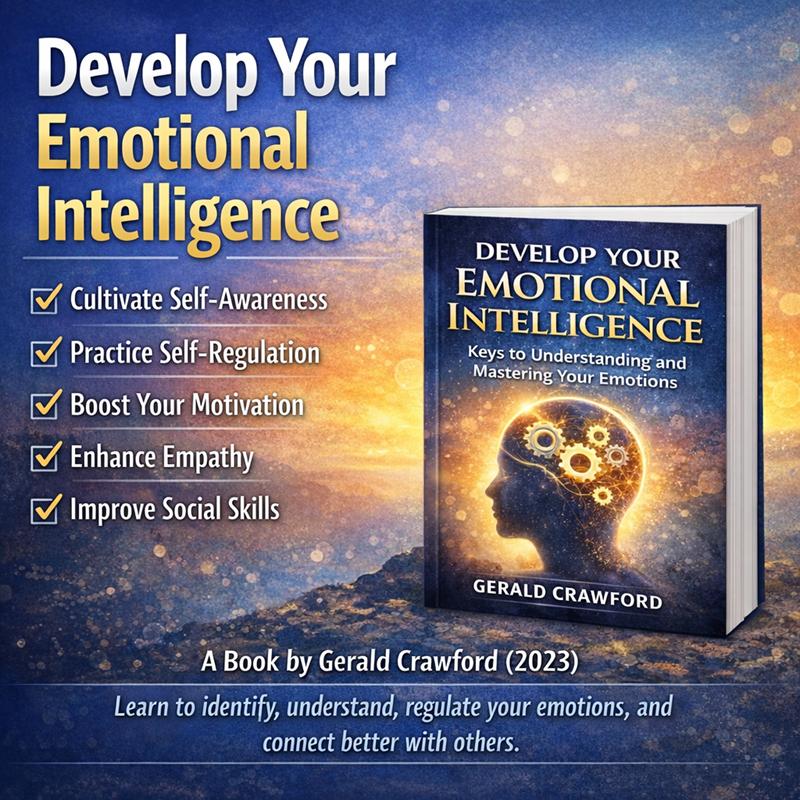
To develop Emotional Intelligence (EI), cultivate self-awareness by identifying and naming your emotions, self-regulation by managing those feelings, motivation by setting goals, empathy by understanding others' perspectives, and improving social skills through active listening and clear communication.

Category: Emotional Intelligence (Page 5 of 14)

Question that can be asked to do the Emotional Intelligence Assessment

Here are some questions that can be asked to assess Emotional Intelligence:

Self-Awareness:

1. How do you typically handle stress or pressure in your daily life?

2. Can you describe a situation where you felt overwhelmed or anxious? How did you manage your emotions?

3. What are some common emotions that you experience, and how do you usually respond to them?

4. How do you recognize and understand your own emotional triggers?

5. Can you recall a time when you realized you were feeling a certain way, but didn’t know why? How did you handle that situation?

Self-Regulation:

1. Can you describe a situation where you had to control your emotions in order to achieve a goal or complete a task?

2. How do you typically handle frustration or anger when things don’t go as planned?

3. What strategies do you use to manage your emotions when you’re feeling overwhelmed or stressed?

4. Can you recall a time when you had to make a decision that required you to consider the emotional impact on others? How did you approach that decision?

5. How do you prioritize your own emotional well-being and take care of yourself?

Motivation:

1. What drives you to achieve your goals and pursue your passions?

2. Can you describe a situation where you felt highly motivated and inspired to take action?

3. How do you typically handle setbacks or failures? What do you learn from them, and how do you use that knowledge to move forward?

4. What are some personal values or principles that guide your decision-making and behavior?

5. Can you recall a time when you felt a sense of purpose or meaning in your work or personal life? What were you doing, and how did you feel?

Empathy:

1. Can you describe a situation where you had to understand and respond to someone else’s emotional needs?

2. How do you typically handle conflicts or difficult conversations with others?

3. What do you think are some common emotional challenges that others may face, and how can you support them?

4. Can you recall a time when you had to put yourself in someone else’s shoes and see things from their perspective? What did you learn from that experience?

5. How do you build and maintain strong relationships with others, and what role does empathy play in those relationships?

Social Skills:

1. Can you describe a situation where you had to communicate effectively with someone who had a different personality or communication style?

2. How do you typically handle group or team projects, and what role do you play in those situations?

3. What strategies do you use to build trust and rapport with others?

4. Can you recall a time when you had to negotiate or resolve a conflict with someone else? What was the outcome, and what did you learn from the experience?

5. How do you prioritize and manage your relationships with others, and what importance do you place on social connections in your life?

Scenario-Based Questions:

1. Imagine you’re working on a team project, and one of your teammates is not pulling their weight. How would you handle that situation?

2. Suppose you’re in a meeting and someone presents an idea that you strongly disagree with. How would you respond in a way that is respectful and constructive?

3. If a friend or family member is going through a difficult time, how would you offer support and comfort?

4. Can you describe a situation where you had to adapt to a new or changing environment, and how you handled the emotional challenges that came with it?

5. Imagine you’re in a leadership role, and one of your team members is struggling with a personal issue. How would you support them, and what resources would you provide to help them succeed?

Behavioral Questions:

1. Tell me about a time when you had to work with someone who had a very different work style or personality. How did you adapt, and what was the outcome?

2. Can you describe a situation where you received feedback or constructive criticism? How did you respond, and what did you learn from the experience?

3. Recall a time when you had to make a difficult decision that involved considering the emotional impact on others. What was the situation, and how did you approach the decision?

4. Tell me about a project or initiative you led or were a part of, and how you contributed to its success. What were some challenges you faced, and how did you overcome them?

5. Can you describe a situation where you had to communicate complex information to someone who didn’t have a technical background? How did you approach the situation, and what strategies did you use to ensure the person understood the information?

I hope these questions help you assess Emotional Intelligence! Remember to tailor the questions to the specific context and purpose of the assessment, and to use a combination of question types to get a comprehensive picture of the individual’s emotional intelligence.


Emotional Intelligence Assessment Tool

An emotional intelligence assessment is a tool used to evaluate an individual’s ability to recognize and understand emotions in themselves and others, and to use this awareness to guide thought and behaviour.

Here are some common components of an emotional intelligence assessment:

Components of Emotional Intelligence:

1. Self-Awareness: The ability to recognize and understand one’s own emotions and how they impact behavior.

2. Self-Regulation: The ability to control and regulate one’s own emotions and impulses.

3. Motivation: The ability to use emotions to drive motivation and achieve goals.

4. Empathy: The ability to recognize and understand emotions in others.

5. Social Skills: The ability to effectively communicate and interact with others.

Assessment Methods:

1. Surveys and Questionnaires: Standardized questionnaires that ask individuals to rate their own emotional intelligence or provide examples of how they handle emotional situations.

2. Behavioral Observations: Observing an individual’s behavior in social situations to assess their emotional intelligence.

3. Performance Reviews: Evaluating an individual’s performance in a work or academic setting to assess their emotional intelligence.

4. Psychological Tests: Standardized tests that measure emotional intelligence, such as the Mayer-Salovey-Caruso Emotional Intelligence Test (MSCEIT).

5. 360-Degree Feedback: Collecting feedback from multiple sources, including self, peers, and supervisors, to provide a comprehensive assessment of emotional intelligence.

Popular Emotional Intelligence Assessments:

1. Mayer-Salovey-Caruso Emotional Intelligence Test (MSCEIT): A standardized test that measures emotional intelligence through a series of questions and scenarios.

2. Bar-On Emotional Quotient Inventory (EQ-i): A self-report questionnaire that assesses emotional intelligence across five dimensions: self-awareness, self-regulation, motivation, empathy, and social skills.

3. Goleman’s Emotional Competence Inventory (ECI): A 360-degree feedback tool that assesses emotional intelligence across 12 competencies, including self-awareness, self-regulation, and social skills.

4. Thomas-Kilmann Conflict Mode Instrument (TKI): A survey that assesses an individual’s conflict resolution style and emotional intelligence.

Benefits of Emotional Intelligence Assessment:

1. Improved Self-Awareness: Individuals can gain a better understanding of their emotional strengths and weaknesses.

2. Enhanced Relationships: Emotional intelligence assessment can help individuals develop more effective communication and interpersonal skills.

3. Increased Job Performance: Emotional intelligence is linked to job performance, leadership effectiveness, and career advancement.

4. Better Decision-Making: Emotional intelligence can help individuals make more informed decisions by considering the emotional impact of their choices.

Limitations and Criticisms:

1. Cultural Bias: Emotional intelligence assessments may be culturally biased, as emotional expressions and norms vary across cultures.

2. Lack of Standardization: There is no widely accepted standard for emotional intelligence assessment, which can make it difficult to compare results across different tests and populations.

3. Limited Predictive Validity: Emotional intelligence assessments may not always predict real-world outcomes, such as job performance or relationship satisfaction.

I hope this information helps you understand emotional intelligence assessment! Do you have any specific questions or would you like more information on a particular aspect of emotional intelligence?

Healing from Emotional Wounds that show up as Depression

Healing from emotional wounds that manifest as depression can be a challenging and complex process. Depression can be a symptom of underlying emotional wounds, such as trauma, loss, or neglect, and it’s essential to address these wounds to promote healing and recovery.

Some common signs that emotional wounds may be contributing to depression include:

1. Intense emotional pain: Overwhelming feelings of sadness, hopelessness, or despair that are difficult to manage.

2. Loss of interest in activities: Withdrawal from activities, hobbies, or social interactions that once brought joy and fulfillment.

3. Changes in sleep or appetite: Difficulty sleeping or experiencing changes in appetite, which can be related to emotional stress and anxiety.

4. Fatigue or low energy: Feeling exhausted, sluggish, or lacking the energy to engage in daily activities.

5. Difficulty concentrating: Struggling to focus, make decisions, or complete tasks due to emotional overwhelm.

To heal from emotional wounds that manifest as depression, consider the following steps:

1. Seek professional help: Consult with a mental health professional, such as a therapist or counselor, who can help you work through underlying emotional wounds and develop a treatment plan.

2. Practice self-compassion: Treat yourself with kindness, understanding, and patience as you work through your emotional wounds. Acknowledge that your feelings are valid and that you deserve to heal.

3. Engage in self-care: Participate in activities that promote relaxation and stress reduction, such as meditation, yoga, or deep breathing exercises.

4. Explore creative expression: Use creative outlets, such as writing, art, or music, to express and process your emotions.

5. Connect with others: Build a support network of friends, family, or support groups to help you feel less isolated and more connected.

6. Practice mindfulness: Focus on the present moment and engage in mindful activities, such as walking or nature observation, to help you stay grounded and centered.

7. Challenge negative thoughts: Identify and challenge negative thought patterns, such as self-criticism or catastrophic thinking, and replace them with more positive and realistic ones.

8. Develop a growth mindset: View challenges and setbacks as opportunities for growth and learning, rather than as threats to your well-being.

9. Celebrate small victories: Acknowledge and celebrate your small successes, even if it’s just getting out of bed or taking a shower.

10. Be patient and persistent: Healing from emotional wounds and depression takes time, effort, and patience. Be gentle with yourself, and remember that progress may be slow, but it’s possible.

Additional resources:

* Books: “The Mindful Way Workbook” by John D. Teasdale, “The Depression Workbook” by William J. Knaus, and “The Happiness Trap” by Russ Harris

* Online courses: Courses on depression, anxiety, and mindfulness on platforms like Coursera, Udemy, or edX

* Therapy: Consider working with a therapist who specializes in cognitive-behavioral therapy (CBT), dialectical behavior therapy (DBT), or mindfulness-based cognitive therapy (MBCT)

What resonates with you the most, or what would you like to explore further?

Remember, healing from emotional wounds and depression is a unique and individualized process. It’s essential to work with a mental health professional to develop a personalized treatment plan that addresses your specific needs and circumstances.

Sustaining Emotional Intelligence – Building a support network and seeking resources

Building a support network and seeking resources are crucial for sustaining emotional intelligence. Here are some strategies for building a support network and seeking resources:

Building a Support Network:

1. Identify supportive people: Identify people who are supportive, understanding, and empathetic.

2. Build relationships: Build relationships with people who share similar values and interests.

3. Join a community: Join a community or group that aligns with your interests and values.

Seeking Resources:

1. Therapy or counseling: Consider seeking help from a therapist or counselor.

2. Support groups: Join a support group to connect with others who are going through similar experiences.

3. Online resources: Utilize online resources such as articles, blogs, and videos.

Benefits of a Support Network:

1. Emotional support: A support network can provide emotional support and help you feel less isolated.

2. Practical help: A support network can provide practical help and assistance.

3. New perspectives: A support network can provide new perspectives and insights.

Challenges to Building a Support Network:

1. Difficulty meeting new people: It can be challenging to meet new people and build relationships.

2. Fear of rejection: Fear of rejection or criticism can make it difficult to build a support network.

Strategies for Overcoming Challenges:

1. Be open and friendly: Be open and friendly, and make an effort to meet new people.

2. Join a community: Join a community or group that aligns with your interests and values.

By building a support network and seeking resources, you can sustain your emotional intelligence and continue to grow and develop as a person.

Sustaining Emotional Intelligence – Strategies for sustaining emotional intelligence: self-reflection, self-care, and continuous learning

Sustaining emotional intelligence (EI) requires ongoing effort and dedication. Here are some strategies for sustaining EI:

Self-Reflection:

1. Regular self-reflection: Schedule regular time for self-reflection, whether daily, weekly, or monthly.

2. Journaling: Write down your thoughts, feelings, and insights to process and reflect on your experiences.

3. Seek feedback: Ask for feedback from trusted friends, family, or colleagues to gain new insights.

Self-Care:

1. Prioritize self-care: Make self-care a priority by scheduling time for activities that nourish your mind, body, and spirit.

2. Exercise regularly: Engage in regular physical activity to reduce stress and improve mood.

3. Get enough sleep: Prioritize getting enough sleep to help regulate your emotions and improve cognitive function.

Continuous Learning:

1. Read books and articles: Stay up-to-date with the latest research and best practices in EI by reading books and articles.

2. Take courses or workshops: Engage in ongoing learning by taking courses or workshops that focus on EI.

3. Seek out mentors: Find mentors who can provide guidance and support as you continue to develop your EI.

Benefits of Sustaining EI:

1. Improved relationships: Sustaining EI can help you build stronger, more meaningful relationships.

2. Increased self-awareness: Sustaining EI can help you develop a greater understanding of yourself and your emotions.

3. Better decision-making: Sustaining EI can help you make more informed decisions.

Challenges to Sustaining EI:

1. Complacency: It can be easy to become complacent and stop making an effort to develop and sustain EI.

2. Limited resources: It can be challenging to find the time, money, or resources to support EI development.

Strategies for Overcoming Challenges:

1. Make EI a priority: Make EI a priority by scheduling time for self-reflection, self-care, and continuous learning.

2. Seek support: Seek support from friends, family, or colleagues to help you stay motivated and focused.

By incorporating these strategies into your daily life, you can sustain your emotional intelligence and continue to grow and develop as a person.

« Older posts Newer posts »

Step-up and get your seat on my VIP Emotional Intelligence Mentorship Program for 2026

X
Back a Buddy Show your Support