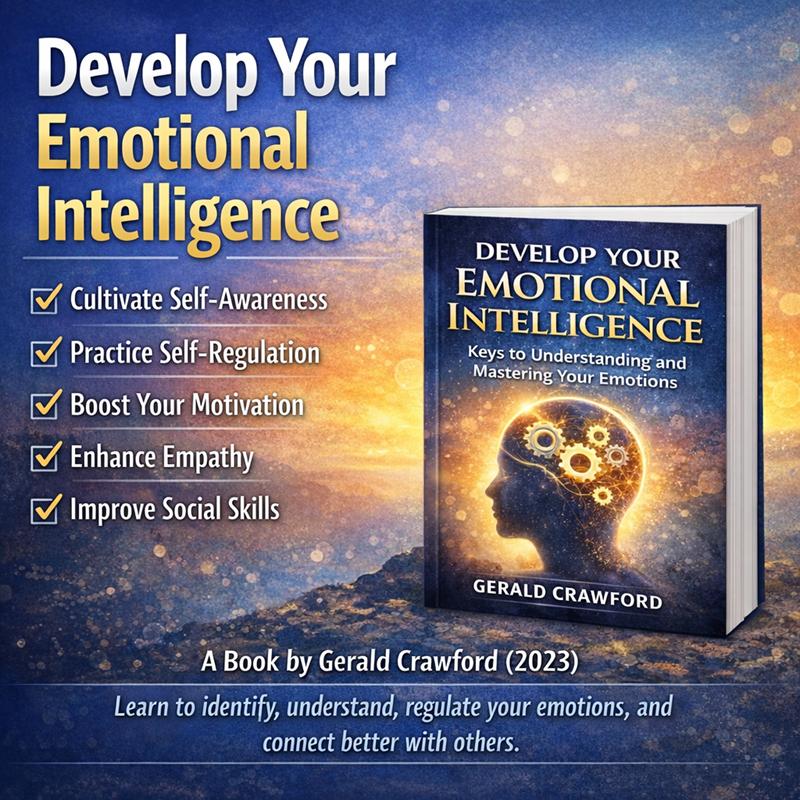
To develop Emotional Intelligence (EI), cultivate self-awareness by identifying and naming your emotions, self-regulation by managing those feelings, motivation by setting goals, empathy by understanding others' perspectives, and improving social skills through active listening and clear communication.

Tag: Self-Awareness (Page 2 of 2)

Self-Awareness – Techniques for developing self-awareness: journaling, meditation, and self-reflection

Developing self-awareness is a crucial aspect of emotional intelligence. Here are some techniques for developing self-awareness:

Journaling:

1. Writing down thoughts and feelings: Writing down your thoughts and feelings can help you process and understand them better.

2. Reflecting on experiences: Reflecting on your experiences can help you identify patterns and gain insights into your thoughts, feelings, and behaviors.

3. Identifying emotions: Identifying your emotions through journaling can help you develop emotional awareness and regulation.

Meditation:

1. Mindfulness meditation: Mindfulness meditation involves focusing on the present moment, without judgment.

2. Loving-kindness meditation: Loving-kindness meditation involves cultivating kindness and compassion towards oneself and others.

3. Transcendental meditation: Transcendental meditation involves using a mantra to quiet the mind and access a deeper state of consciousness.

Self-Reflection:

1. Regular self-reflection: Regular self-reflection involves taking time to reflect on your thoughts, feelings, and behaviors.

2. Asking questions: Asking questions about yourself, such as “What am I grateful for?” or “What can I improve on?” can help you gain insights and develop self-awareness.

3. Seeking feedback: Seeking feedback from others can provide new perspectives and insights into your thoughts, feelings, and behaviors.

Benefits of Self-Awareness:

1. Improved emotional regulation: Self-awareness can help you regulate your emotions more effectively.

2. Better decision-making: Self-awareness can help you make more informed decisions.

3. Stronger relationships: Self-awareness can help you build stronger, more meaningful relationships with others.

Challenges to Developing Self-Awareness:

1. Lack of time: Finding time to reflect on your thoughts, feelings, and behaviors can be challenging.

2. Difficulty with self-reflection: Some people may struggle with self-reflection, finding it difficult to be honest with themselves.

3. Fear of what you might discover: Some people may be afraid of what they might discover about themselves through self-reflection.

Overcoming Challenges:

1. Scheduling self-reflection: Scheduling self-reflection into your daily or weekly routine can help you prioritize it.

2. Seeking support: Seeking support from a therapist or trusted friend can provide a safe and supportive environment for self-reflection.

3. Practicing self-compassion: Practicing self-compassion can help you approach self-reflection with kindness and understanding.

By incorporating these techniques into your daily life, you can develop greater self-awareness, improve your emotional regulation, and build stronger relationships with others.

Self-Awareness – The importance of self-awareness in emotional intelligence

Self-awareness is a crucial aspect of emotional intelligence. Here’s an overview of the importance of self-awareness:

What is Self-Awareness?

Self-awareness is the ability to have a clear understanding of one’s own thoughts, feelings, and behaviors. It involves being able to observe and reflect on one’s own emotions, values, and motivations.

Why is Self-Awareness Important in Emotional Intelligence?

1. Emotional Regulation: Self-awareness helps individuals understand and regulate their emotions, leading to better emotional management.

2. Decision-Making: Self-awareness enables individuals to make informed decisions, taking into account their own values, goals, and emotions.

3. Relationships: Self-awareness helps individuals understand how their emotions and behaviors impact others, leading to more effective communication and relationships.

4. Personal Growth: Self-awareness promotes personal growth, allowing individuals to identify areas for improvement and work on self-development.

Benefits of Self-Awareness:

1. Improved emotional regulation: Self-awareness helps individuals manage their emotions, reducing stress and anxiety.

2. Better decision-making: Self-awareness enables individuals to make informed decisions, leading to better outcomes.

3. Stronger relationships: Self-awareness helps individuals build stronger, more meaningful relationships with others.

4. Increased self-confidence: Self-awareness promotes self-confidence, allowing individuals to feel more comfortable in their own skin.

Developing Self-Awareness:

1. Self-Reflection: Engage in regular self-reflection to understand your thoughts, feelings, and behaviors.

2. Journaling: Keep a journal to record your thoughts, feelings, and experiences.

3. Mindfulness: Practice mindfulness to increase awareness of your thoughts, feelings, and bodily sensations.

4. Seek Feedback: Seek feedback from others to gain new insights and perspectives.

Challenges to Developing Self-Awareness:

1. Lack of introspection: Failing to take the time to reflect on one’s own thoughts, feelings, and behaviors.

2. Defensiveness: Becoming defensive or dismissive when confronted with feedback or criticism.

3. Limited self-awareness: Having a limited understanding of one’s own emotions, values, and motivations.

Overcoming Challenges:

1. Practice self-reflection: Regularly take the time to reflect on your thoughts, feelings, and behaviors.

2. Seek feedback: Seek feedback from others to gain new insights and perspectives.

3. Develop a growth mindset: Cultivate a growth mindset, embracing challenges and viewing failures as opportunities for growth.

By developing self-awareness, individuals can improve their emotional intelligence, leading to better emotional regulation, decision-making, relationships, and personal growth.

Newer posts »

Step-up and get your seat on my VIP Emotional Intelligence Mentorship Program for 2026

X
Back a Buddy Show your Support