Emotional intelligence (EI) is a vital aspect of human functioning, influencing various aspects of personal and professional life. Here’s an overview of the importance of EI:
Personal Benefits:
1. Improved relationships: EI helps individuals build stronger, more meaningful relationships with others.
2. Enhanced decision-making: EI enables individuals to make more informed decisions, taking into account their own emotions and the emotions of others.
3. Increased self-awareness: EI promotes self-awareness, allowing individuals to better understand their own strengths, weaknesses, and emotions.
4. Reduced stress and anxiety: EI helps individuals manage stress and anxiety, leading to improved mental health and well-being.
Professional Benefits:
1. Improved communication: EI enables individuals to communicate more effectively, avoiding misunderstandings and conflicts.
2. Enhanced teamwork: EI promotes collaboration, empathy, and understanding among team members.
3. Increased leadership effectiveness: EI helps leaders inspire, motivate, and influence others, leading to improved leadership effectiveness.
4. Better conflict resolution: EI enables individuals to resolve conflicts more effectively, reducing stress and improving relationships.
Importance in Various Professions:
1. Healthcare: EI is essential for healthcare professionals to provide empathetic and compassionate care to patients.
2. Education: EI helps teachers create a positive learning environment, manage classroom dynamics, and support students’ emotional well-being.
3. Business: EI is critical for business leaders to make informed decisions, build strong relationships with employees and customers, and navigate complex business environments.
Consequences of Low Emotional Intelligence:
1. Poor relationships: Low EI can lead to strained relationships, conflicts, and social isolation.
2. Decreased job performance: Low EI can impair job performance, leading to decreased productivity, absenteeism, and turnover.
3. Mental health issues: Low EI can contribute to mental health issues, such as anxiety, depression, and burnout.
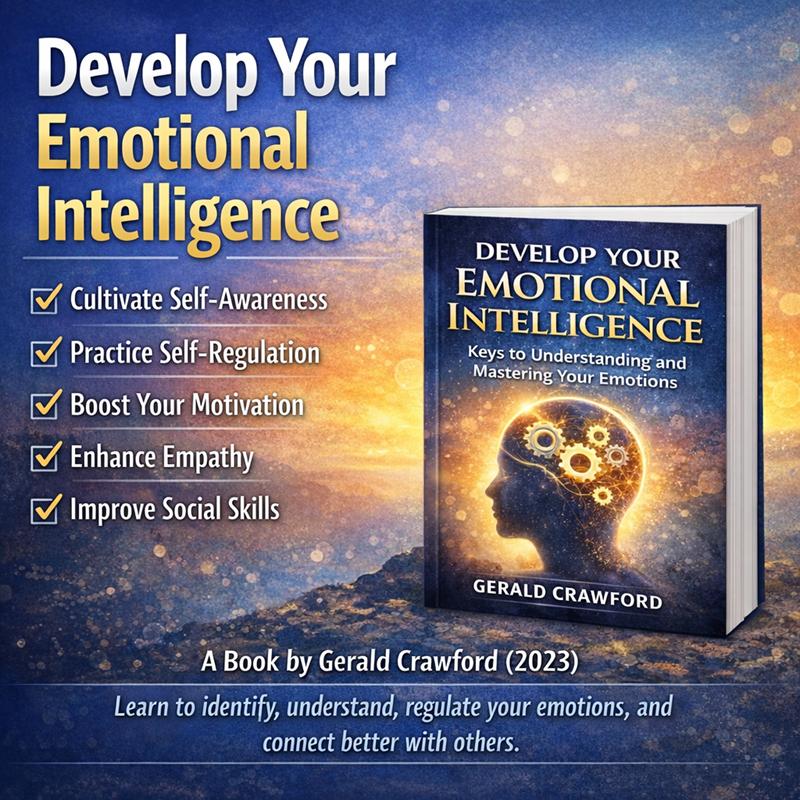
Developing Emotional Intelligence:
1. Self-awareness: Develop self-awareness through introspection, journaling, and feedback from others.
2. Emotional regulation: Practice emotional regulation techniques, such as mindfulness, deep breathing, and cognitive-behavioral therapy.
3. Empathy and compassion: Cultivate empathy and compassion through active listening, perspective-taking, and understanding.
By understanding the importance of emotional intelligence, individuals can take steps to develop their EI and improve their personal and professional lives.



Leave a Reply