Category: Emotional Intelligence (Page 12 of 14)
Emotional intelligence (EI) is crucial for personal and professional growth. Here are some practical strategies and techniques to help develop EI:
Self-Awareness
1. Self-reflection: Schedule regular time for introspection, journaling, or meditation to understand your emotions, values, and motivations.
2. Identify your emotions: Recognize and label your emotions throughout the day, exploring their causes and effects.
3. Seek feedback: Ask trusted friends, family, or colleagues for their honest opinions about your strengths, weaknesses, and areas for improvement.
Self-Regulation
1. Mindfulness: Practice mindfulness techniques, such as deep breathing, to calm your mind and regulate your emotions.
2. Emotional labeling: Acknowledge and label your emotions to detach from them and respond more thoughtfully.
3. Take breaks: Regularly take short breaks to recharge and prevent emotional exhaustion.
Motivation
1. Set goals: Establish clear, achievable goals that align with your values and passions.
2. Celebrate successes: Acknowledge and celebrate your accomplishments to build confidence and motivation.
3. Find meaning: Connect with the purpose behind your work or activities to boost motivation and engagement.
Empathy
1. Active listening: Focus on fully understanding others, asking open-ended questions, and paraphrasing their concerns.
2. Perspective-taking: Imagine yourself in others’ shoes to better understand their thoughts, feelings, and needs.
3. Ask for feedback: Encourage others to share their thoughts and feelings about your interactions.
Social Skills
1. Effective communication: Practice clear, concise, and respectful communication to build strong relationships.
2. Conflict resolution: Develop skills to manage conflicts constructively, focusing on finding mutually beneficial solutions.
3. Build relationships: Nurture professional and personal relationships by showing genuine interest and empathy.
Additional Techniques
1. Practice gratitude: Reflect on the things you’re thankful for each day to cultivate a positive mindset.
2. Develop a growth mindset: View challenges as opportunities for growth and learning.
3. Seek mentorship: Find a role model or mentor who can offer guidance and support.
Remember, developing emotional intelligence takes time, effort, and practice. Be patient, kind, and compassionate with yourself as you work on these strategies and techniques.
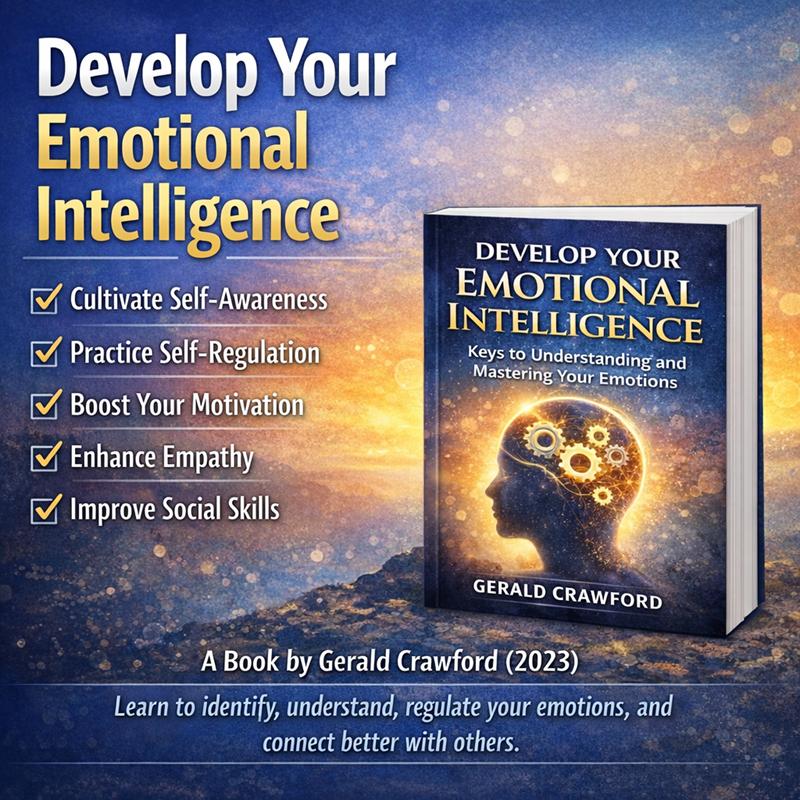
Development your Emotional Intelligence Book by Gerald Crawford
Click on the button below to make an appointment booking

Make A Donation and Support the Author

This Banner Space is for Rent with a Hyperlink!

Recent Comments