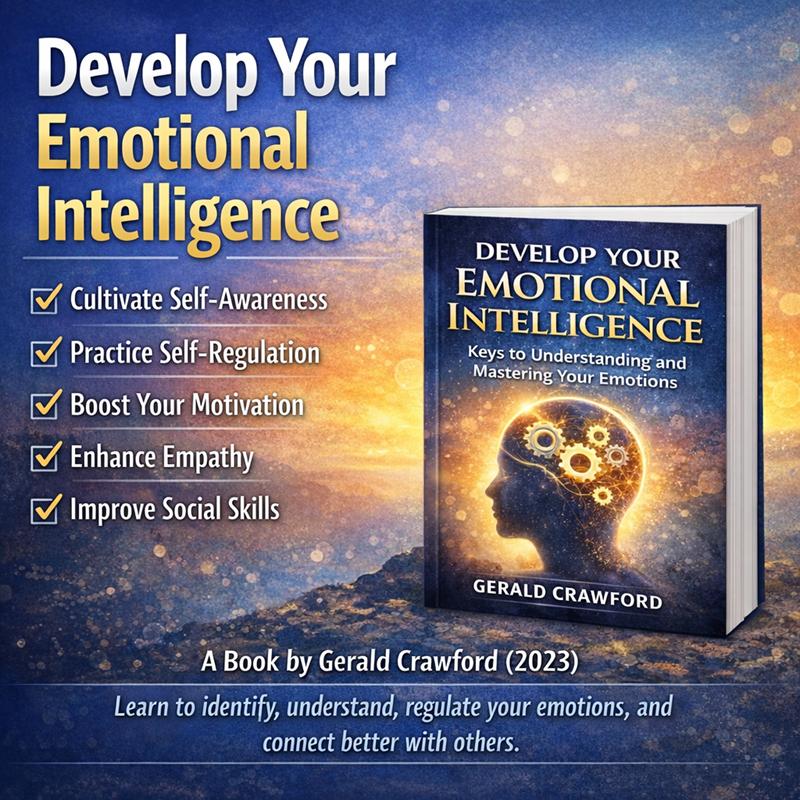
To develop Emotional Intelligence (EI), cultivate self-awareness by identifying and naming your emotions, self-regulation by managing those feelings, motivation by setting goals, empathy by understanding others' perspectives, and improving social skills through active listening and clear communication.

Category: 101 Question and Answer (Page 5 of 6)

Question and Answer: As a leader do you mishandle feedback? How can I address this by development my Emotional Intelligence?

Q: As a leader, do you mishandle feedback? What does mishandling feedback look like?

A: Mishandling feedback means struggling to receive, interpret, or respond to feedback in a constructive way.
This is very common for leaders — because feedback can trigger emotions like defensiveness, embarrassment, frustration, or self-doubt.

You may be mishandling feedback if you:

  • Get defensive or justify your actions immediately
  • Take feedback personally or emotionally
  • Avoid feedback altogether
  • Shut down or become quiet when receiving criticism
  • Retaliate or hold grudges
  • Overreact to small comments
  • Feel anxious or threatened when team members give input
  • Dismiss or ignore feedback
  • Get upset when feedback isn’t phrased “perfectly”

Recognizing this pattern is the first step — and Emotional Intelligence is a powerful tool to change it.


Q: How can developing Emotional Intelligence help me handle feedback better?

Emotional Intelligence helps leaders become more self-aware, less reactive, and more open to growth.
Here’s how each EI component supports effective feedback handling:


1. Self-Awareness

This is understanding your emotions, triggers, and leadership tendencies.

How it helps with feedback:

  • You recognize what emotion feedback triggers in you (fear? pride? insecurity?).
  • You understand why certain types of feedback bother you.
  • You separate your identity from the criticism.

Leadership actions:

  • Notice your physical signs: tense shoulders? faster heartbeat?
  • Ask yourself: “What part of this feedback is emotionally activating me?”
  • Reflect after feedback: What was true? What can I learn?

2. Self-Management

This is controlling your emotional reactions and choosing your response.

How it helps with feedback:

  • You stay calm and thoughtful instead of defensive.
  • You avoid reacting impulsively out of hurt or frustration.
  • You create psychological safety by modeling composure.

Leadership actions:

  • Pause before responding — breathe, then reply.
  • Use neutral language: “Thank you for raising that.”
  • If emotions run high, say: “Let me reflect and come back to this.”

3. Social Awareness (Empathy)

This is understanding the perspective and emotions of the person giving feedback.

How it helps with feedback:

  • You interpret feedback as an attempt to improve the team, not attack you.
  • You understand the giver’s intentions, fears, or discomfort.
  • You respond in a way that encourages honesty, not silence.

Leadership actions:

  • Ask clarifying questions: “Can you help me understand an example?”
  • Listen fully without preparing your rebuttal.
  • Consider what the person needed or hoped for by giving the feedback.

4. Relationship Management

This is maintaining strong, respectful interactions, especially during difficult conversations.

How it helps with feedback:

  • You create a culture where feedback flows safely in all directions.
  • You strengthen trust instead of damaging relationships.
  • You turn feedback moments into growth opportunities, not conflict.

Leadership actions:

  • Thank the person genuinely: “I appreciate your honesty.”
  • Agree on action steps or next steps.
  • Follow up to show that you truly listened.

Q: What practical EI-based habits can help me handle feedback better?

1. Use the “Pause–Process–Respond” method

  • Pause: take a breath
  • Process: identify the emotion and filter the feedback for truth
  • Respond: calmly ask questions or express appreciation

2. Treat feedback as data, not a verdict

Ask yourself: “What is this information trying to tell me?”

3. Ask for feedback regularly

The more it becomes routine, the less threatening it feels.

4. Separate intention from phrasing

Even if the delivery isn’t perfect, look for the core message.

5. Create a feedback ritual

Close meetings with: “What can I do better next time?”

6. Normalize vulnerability

Model openness by admitting mistakes or areas for improvement.


Q: What changes can I expect when I develop EI and handle feedback more effectively?

You will see improvements in:

  • Stronger trust between you and your team
  • Higher psychological safety
  • Greater innovation and collaboration
  • More honest communication
  • Better decision-making
  • Increased leadership credibility
  • Reduced conflict and misunderstandings

When leaders handle feedback well, they signal maturity, confidence, and openness — all essential qualities of high-performing leadership.


Question and Answer: As a leader do you unintentionally alienate your staff? How can I address this by development my Emotional Intelligence?

Q: As a leader, do you unintentionally alienate your staff? What does that mean?

A: Unintentionally alienating staff means your words, actions, or leadership style may create distance, discomfort, or disconnection — even if that’s not your intention.

This can happen without realizing it because leadership carries inherent authority and emotional impact.

You may be unintentionally alienating staff if:

  • Team members stop sharing ideas or concerns
  • People seem reserved, quiet, or guarded around you
  • You learn about issues “too late” because people didn’t speak up
  • Your team avoids you unless necessary
  • You’re excluded from informal discussions
  • People hesitate to disagree or challenge your decisions
  • Morale feels low, but no one tells you why
  • You often misunderstand staff needs or emotions

These patterns signal emotional distance — and EI is one of the most powerful tools to close that gap.


Q: How can developing Emotional Intelligence help me avoid alienating my staff?

Leaders with strong EI create psychological safety, inclusion, and trust.
Here’s how each EI component addresses alienation:


1. Self-Awareness

Understanding your emotions, behavior, and the impact you have on others.

How it prevents alienation:

  • You notice how your tone, body language, or stress level affects your team.
  • You become aware of unintentional signals (e.g., impatience, interruption).
  • You understand how your leadership style may be misinterpreted.

Leadership actions:

  • Reflect on interactions at the end of the day.
  • Ask yourself: “How did people react to me today?”
  • Seek feedback on your communication style.

2. Self-Management

Regulating your emotions and staying composed and consistent.

How it prevents alienation:

  • You avoid showing frustration or negativity that pushes people away.
  • You maintain calm, predictable leadership — creating emotional safety.
  • You model emotional balance, making staff feel comfortable around you.

Leadership actions:

  • Practice pausing before reacting.
  • Avoid letting stress leak into conversations.
  • Use grounding techniques before difficult discussions.

3. Social Awareness (Empathy)

Understanding others’ feelings, needs, and perspectives.

How it prevents alienation:

  • You notice when someone is withdrawn or uncomfortable.
  • You understand emotional cues that indicate the team needs support.
  • You communicate in ways that resonate with different personalities.

Leadership actions:

  • Observe non-verbal cues in meetings.
  • Ask open questions: “How are you feeling about this?”
  • Try to understand what pressures or concerns your staff might be facing.

4. Relationship Management

Building trust, communication, and healthy interactions.

How it prevents alienation:

  • You foster connection and approachability.
  • You address conflict early and respectfully.
  • You show appreciation, which reduces emotional distance.
  • You create a culture of honesty, collaboration, and belonging.

Leadership actions:

  • Recognize and praise contributions consistently.
  • Hold regular check-ins that go beyond tasks.
  • Build rapport with small, human conversations — not just work talk.

Q: What practical EI-based steps can I take to avoid alienating my team?

1. Ask for input before making decisions

People feel valued when their perspectives matter.

2. Communicate with warmth and clarity

A friendly tone, eye contact, and patience go a long way.

3. Invite honest feedback about your leadership

Say:

  • “Is there anything I could be doing that would help you feel more supported?”
  • “What’s one thing I could adjust that would improve our communication?”

4. Share your reasoning and intentions

Many misunderstandings arise from leaders appearing aloof or abrupt.

5. Have regular relationship-focused one-on-ones

Ask about goals, challenges, and well-being — not just status updates.

6. Show appreciation openly and frequently

People who feel seen rarely feel alienated.

7. Address tensions or concerns early

Ignoring issues creates emotional distance.


Q: What benefits will I see if I develop EI to reduce staff alienation?

You can expect:

  • Stronger trust and rapport
  • Better communication and fewer misunderstandings
  • Higher employee engagement and morale
  • More openness and honesty from your team
  • Smoother collaboration and better decision-making
  • A culture where people feel safe, valued, and included

Emotionally intelligent leadership closes the gap between intention and impact — creating a team that feels genuinely connected to you and the work.

Question and Answer: Do you struggle to notice emotional cues, misread signals, or fail to express yourself clearly? How can I address this by development my Emotional Intelligence?

Q: Do you struggle to notice emotional cues, misread signals, or fail to express yourself clearly? What does this mean?

A: Struggling with emotional cues means you may have difficulty:

  • Interpreting others’ tone, body language, or facial expressions
  • Recognizing when someone is uncomfortable, stressed, or disengaged
  • Understanding the emotional impact of your own words
  • Choosing the right moment or method to communicate your thoughts
  • Expressing emotions in a way others understand
  • Reading the “room” during conversations or meetings

These challenges can make relationships, leadership, communication, and teamwork harder — often without you realizing why.

The good news: These are skills you can improve significantly through Emotional Intelligence development.


Q: How can developing Emotional Intelligence help me better read cues and express myself clearly?

EI directly improves how you perceive and express emotions — in yourself and in others.
Here’s how each EI component helps:


1. Self-Awareness

Understanding your own feelings, reactions, and communication habits.

How it helps with emotional cues:

  • You become more aware of how your emotions influence your tone and clarity.
  • You catch moments where internal stress makes you sound abrupt or unclear.
  • You understand your communication blind spots.

Practical actions:

  • Check in with yourself before important conversations.
  • Ask: “What am I feeling, and how might it show up in my behavior?”
  • Reflect after interactions: What went well? What was misunderstood?

2. Self-Management

Regulating your emotions so you can stay clear, calm, and focused.

How it helps with clear expression:

  • You avoid letting stress or frustration cloud your message.
  • You maintain composure, which helps you communicate thoughtfully.
  • You slow down enough to choose better words, tone, and timing.

Practical actions:

  • Pause before speaking when emotional.
  • Use breathing techniques to reduce emotional noise.
  • Prepare your key message before difficult conversations.

3. Social Awareness (Empathy)

Recognizing the emotions, non-verbal cues, and needs of others.

How it helps with reading cues:

  • You notice subtle changes in tone, body language, and engagement.
  • You understand how others might be feeling in a situation.
  • You detect discomfort, confusion, enthusiasm, or resistance early.

Practical actions:

  • Observe facial expressions, posture, eye contact, and silence.
  • Ask clarifying questions: “How does this feel to you?”
  • Pay attention to what’s not being said.

4. Relationship Management

Communicating effectively, resolving misunderstanding, and building trust.

How it helps with expression and understanding:

  • You adapt your communication style depending on the person and situation.
  • You ask for feedback to ensure your message is understood.
  • You repair communication breakdowns quickly and respectfully.

Practical actions:

  • Summarize your key points to ensure clarity.
  • Check understanding: “Does this make sense? How do you see it?”
  • Address misunderstandings calmly and early.

Q: What practical EI-based steps can I take to better read emotional cues and express myself clearly?

1. Practice active listening

Give full attention, avoid interrupting, and reflect back what you heard.

2. Watch non-verbal cues

Focus on:

  • Facial expressions
  • Posture
  • Tone of voice
  • Energy level
  • Pauses or hesitations

These reveal emotions more than words do.

3. Ask gentle clarifying questions

  • “Can you tell me more about how you feel?”
  • “It seems like something might be off — is everything okay?”

4. Slow down your communication

Rushed speech often leads to misunderstandings.

5. Use “I feel…” statements

This makes your own emotions clearer and minimizes misinterpretation.

6. Practice expressing one idea at a time

Helps reduce confusion and improves clarity.

7. Invite feedback about your communication style

This builds awareness and trust.


Q: What benefits will I see when I develop EI to improve emotional cue recognition and self-expression?

You’ll notice:

  • Better understanding of others’ emotions and needs
  • Greater clarity and effectiveness in communication
  • Fewer misunderstandings or conflicts
  • Stronger relationships and trust
  • Improved teamwork and collaboration
  • More confidence in expressing ideas and feelings
  • A sense of being more “in tune” with conversations and people

Emotional Intelligence turns communication from guesswork into a skill — helping you understand others more deeply and express yourself more clearly.

Question and Answer: Do you have common misunderstandings with others? How can I address this by development my Emotional Intelligence?

Q: Do you have common misunderstandings with others? What does this mean?

A: Frequent misunderstandings happen when your message, tone, or intentions are interpreted differently than you expect.
This can lead to frustration, conflict, damaged relationships, or feeling like “people don’t get me.”

You may experience misunderstandings if you:

  • Feel others often misinterpret your words or intentions
  • Believe people react unexpectedly to what you say
  • Struggle to explain yourself clearly
  • Assume others “should know” what you mean
  • Get surprised by emotional reactions in conversations
  • Avoid communication because it often “goes wrong”
  • Notice recurring conflicts or confusion with certain people
  • Frequently think, “That’s not what I meant!”

Misunderstandings are common — but Emotional Intelligence can significantly reduce them.


Q: How can developing Emotional Intelligence help me reduce misunderstandings with others?

Emotional Intelligence strengthens how you understand yourself, interpret others, and communicate effectively.
Here’s how each EI skill improves communication clarity:


1. Self-Awareness

Understanding your emotions, tone, and communication style.

How it reduces misunderstandings:

  • You recognize how your emotional state affects the way you speak.
  • You notice unintentional signals like impatience, abruptness, or withdrawal.
  • You become aware of assumptions you make about what others “should know.”

Practical actions:

  • Ask: “How might others interpret what I’m about to say?”
  • Reflect on past conversations—where did the misunderstanding start?
  • Notice your tone and body language.

2. Self-Management

Regulating your emotions and choosing your responses carefully.

How it reduces misunderstandings:

  • Emotions like stress, frustration, or anxiety no longer distort your message.
  • You stay calm, which makes it easier to communicate clearly.
  • You avoid saying things impulsively that others might misread.

Practical actions:

  • Take a breath before responding.
  • Clarify your main point before speaking.
  • Practice slowing down during important discussions.

3. Social Awareness (Empathy)

Understanding others’ emotions, perspectives, and unspoken signals.

How it reduces misunderstandings:

  • You recognize when someone is confused, uncomfortable, or misinterpreting you.
  • You better understand how different people interpret the same message.
  • You adjust your communication to meet people where they are.

Practical actions:

  • Watch for facial expressions and body language.
  • Ask gentle check-in questions like: “How is this landing for you?”
  • Listen for emotional undertones, not just words.

4. Relationship Management

Building clarity, trust, and strong communication habits.

How it reduces misunderstandings:

  • You communicate more clearly, directly, and respectfully.
  • You repair misunderstandings quickly instead of letting them grow.
  • You create an environment where people feel safe asking for clarification.

Practical actions:

  • Summarize key points at the end of a conversation.
  • Ask: “Let me make sure we’re aligned—here’s what I understand…”
  • Address miscommunication early, without blame.

Q: What practical EI-based steps can help prevent misunderstandings?

1. Use active listening

Repeat or paraphrase what someone said:
“So what I’m hearing is…”

2. Check for clarity

Ask:
“Does that make sense?”
“What’s your understanding of the next step?”

3. Avoid assumptions

Never assume others know what you mean — say it clearly.

4. Watch your tone and body language

People respond more to how you say something than what you say.

5. Ask for feedback on your communication

Simple questions like:
“Is there a better way for me to explain this?”
can transform relationships.

6. Be transparent about your intentions

This prevents people from filling in emotional gaps with assumptions.

7. Slow the conversation down

Rushing almost always leads to miscommunication.


Q: What benefits will I see when I use Emotional Intelligence to reduce misunderstandings?

You’ll experience:

  • Clearer, smoother communication
  • Fewer conflicts or tense conversations
  • Stronger trust in relationships
  • Better teamwork and collaboration
  • More positive interactions
  • Less frustration and emotional strain
  • Greater confidence in expressing yourself

Developing Emotional Intelligence helps you understand others more accurately and express yourself more clearly — dramatically reducing misunderstandings.

Question and Answer: Do you often experience anger, anxiety and frustration? How can I address this by development my motional Intelligence?

Q: Do you often experience anger, anxiety, or frustration? What does this mean?

A: Feeling anger, anxiety, or frustration is part of being human — but experiencing them frequently, intensely, or in ways that affect your relationships, work, or well-being may signal challenges with emotional awareness or regulation.

You may be struggling with these emotions if you:

  • React quickly or strongly to stress
  • Feel overwhelmed by unexpected changes
  • Frequently feel irritated or “on edge”
  • Have trouble calming down after an emotional spike
  • Overthink situations or expect the worst
  • Feel drained by emotional situations
  • Struggle to communicate emotions in a balanced way

These emotions don’t make you weak — they are simply signals that your emotional system needs attention, understanding, and new tools.

Developing Emotional Intelligence can help you respond to these emotions more constructively and with greater control.


Q: How can developing Emotional Intelligence help me reduce anger, anxiety, and frustration?

EI helps you understand, manage, and express your emotions in healthier ways. Each EI skill plays a direct role in calming intense emotions.


1. Self-Awareness

Understanding your emotions, triggers, and patterns.

How it helps:

  • You recognize early signs of anger or anxiety before they intensify.
  • You understand what causes your emotional reactions.
  • You label your feelings accurately (naming emotions reduces intensity).

Practical actions:

  • Ask: “What am I feeling right now — and why?”
  • Track emotional patterns across your week.
  • Identify your common triggers (people, situations, times of day).

2. Self-Management

Regulating emotions and responding instead of reacting.

How it helps:

  • You stay calmer and more grounded in stressful moments.
  • You reduce impulsive reactions you later regret.
  • You recover more quickly from emotional spikes.

Practical actions:

  • Use deep breathing, grounding, or counting techniques.
  • Pause before responding in heated moments.
  • Create space: take a walk, step away, or request a moment.
  • Practice reframing — “Is there another perspective?”

3. Social Awareness (Empathy)

Understanding others’ feelings, needs, and intentions.

How it helps:

  • Reduces frustration by helping you see situations from others’ viewpoints.
  • Helps you interpret tone, context, and pressures others may be facing.
  • Makes interpersonal disagreements less personal and less emotionally triggering.

Practical actions:

  • Ask yourself: “What might they be feeling right now?”
  • Listen without assuming negative intent.
  • Notice non-verbal cues in conversations.

4. Relationship Management

Maintaining healthy interactions and communicating constructively.

How it helps:

  • You express emotions calmly and clearly without escalation.
  • You repair misunderstandings before they turn into anger.
  • You build trust instead of tension in relationships.

Practical actions:

  • Use “I feel…” statements instead of blame.
  • Ask for what you need calmly (“I need a moment to think”).
  • Address conflicts early rather than letting emotions build up.

Q: What practical EI-based steps can help me manage anger, anxiety, and frustration?

1. Practice the “Pause + Name + Choose” method

  • Pause to interrupt the emotional spike
  • Name the emotion (“This is anger/anxiety”)
  • Choose your response intentionally

2. Use grounding techniques

  • Deep breathing
  • Counting backward
  • Noticing 5 things around you
  • Relaxing your shoulders and jaw

3. Build emotional vocabulary

The more words you have for emotions, the easier they are to manage.

4. Set boundaries

Reduce emotional overload by saying no, delegating, or taking breaks.

5. Reflect instead of react

Ask: “What story am I telling myself? Is it accurate?”

6. Have “reset rituals”

Walks, music, journaling, stretching, mindfulness — anything that resets your emotional system.

7. Talk through emotions calmly

Sharing feelings helps release pressure and increases understanding.


Q: What benefits will I see as I develop Emotional Intelligence in these areas?

You will gain:

  • Increased emotional control and stability
  • Reduced anger, anxiety, and frustration
  • Clearer thinking under pressure
  • Better relationships and communication
  • Greater patience and resilience
  • Higher confidence in managing difficult emotions
  • More peace, balance, and emotional well-being

Emotional Intelligence doesn’t eliminate difficult emotions — it gives you the tools to manage them powerfully and constructively.

« Older posts Newer posts »

Step-up and get your seat on my VIP Emotional Intelligence Mentorship Program for 2026

X
Back a Buddy Show your Support