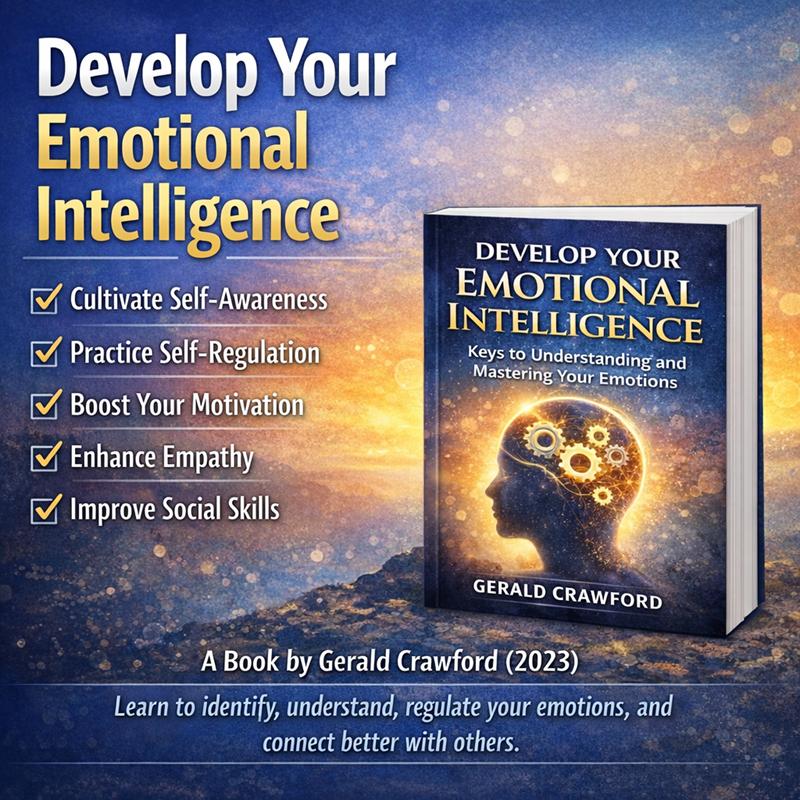
To develop Emotional Intelligence (EI), cultivate self-awareness by identifying and naming your emotions, self-regulation by managing those feelings, motivation by setting goals, empathy by understanding others' perspectives, and improving social skills through active listening and clear communication.

Category: 101 Question and Answer (Page 4 of 6)

Question and Answer: Does the way you think affects performance? How can I address this by development my Emotional Intelligence?

Q: Does the way you think affect your performance?

A: Yes — the way you think has a powerful impact on your performance.
Your mindset shapes:

  • How you respond to challenges
  • How you handle pressure
  • How you manage mistakes
  • How confident you feel
  • How well you communicate
  • How you adapt to change
  • How resilient you are when things go wrong

Thoughts influence emotions.
Emotions influence actions.
Actions influence performance.

So, if your thinking is negative, reactive, or limiting, your performance will reflect that.
If your thinking is clear, balanced, and emotionally grounded, your performance improves dramatically.

This is where Emotional Intelligence becomes essential.


Q: How can developing Emotional Intelligence improve the way I think and boost my performance?

EI strengthens the connection between your thoughts, emotions, and behaviors. Each EI skill helps you think more clearly, interpret situations more accurately, and make decisions that enhance performance.


1. Self-Awareness

Understanding how your thoughts and emotions influence your actions.

How it improves thinking:

  • Helps you identify negative or distorted thought patterns
  • Allows you to catch limiting beliefs early
  • Makes you aware of your mental triggers and biases
  • Helps you separate facts from emotional stories

Try:

  • Ask: “Is this thought helping me or hurting me?”
  • Notice patterns like catastrophizing, perfectionism, or overthinking.

2. Self-Management

Regulating emotions so they don’t cloud your thinking.

How it improves thinking:

  • Reduces emotional reactivity, helping you think more logically
  • Keeps your mind steady under pressure
  • Helps you stay focused instead of distracted by worry or frustration
  • Supports better decision-making during stressful moments

Try:

  • Use breathing and grounding techniques before important decisions
  • Pause and reflect instead of reacting immediately

3. Social Awareness (Empathy)

Understanding others’ emotions and perspectives.

How it improves thinking:

  • Expands your perspective beyond your own assumptions
  • Helps you interpret situations with more accuracy
  • Reduces misunderstandings that impact performance
  • Enhances collaboration and creativity

Try:

  • Ask: “What might they be thinking or feeling right now?”
  • Consider multiple viewpoints before acting

4. Relationship Management

Handling interactions effectively and communicating clearly.

How it improves thinking:

  • Helps you think more strategically in conversations
  • Reduces emotional conflict that disrupts performance
  • Strengthens team alignment and cooperation
  • Supports constructive problem-solving

Try:

  • Use assertive communication
  • Seek clarification before making assumptions
  • Manage conflict early before it escalates

Q: What practical EI-based strategies can help improve my thinking and performance?

1. Reframe unhelpful thoughts

Shift from:

  • “I can’t handle this” → “I can take it one step at a time.”
  • “I’m failing” → “I’m learning and adjusting.”
  • “This is impossible” → “What part is possible right now?”

2. Use reflective pauses

Before reacting or deciding, ask:

  • “What emotion is influencing my thinking?”
  • “What is the real issue?”
  • “What outcome do I want?”

3. Build a mental reset routine

This helps clear emotional fog and restore clarity:

  • A short walk
  • Deep breathing
  • Stretching
  • A minute of silence
  • Writing down the thought causing stress

4. Develop emotional labeling skills

When you name the emotion, it becomes easier to control:

  • “I’m anxious.”
  • “I’m frustrated.”
  • “I’m overwhelmed.”

Naming reduces intensity, allowing clearer thinking.


5. Strengthen your inner dialogue

High performers use supportive, realistic self-talk like:

  • “I can handle this challenge.”
  • “I don’t need to be perfect; I need to progress.”
  • “One step at a time.”

Q: What benefits will I see by improving my EI and thinking patterns?

You will experience:

  • Sharper focus and clearer decision-making
  • Better stress management
  • More confidence and emotional stability
  • Improved communication and teamwork
  • Increased resilience during setbacks
  • Higher performance and productivity
  • More intentional, less reactive thinking
  • Stronger leadership presence

Emotional Intelligence empowers you to think with clarity, act with intention, and perform at your best.


Question and Answer: Do you experience Life Balance Challenges? How can I address this by development my Emotional Intelligence?

Q: Do you experience life balance challenges? What does this mean?

A: Life balance challenges occur when the demands of work, family, relationships, personal goals, and self-care feel out of sync.
You may be experiencing life balance issues if you:

  • Feel overwhelmed or stretched too thin
  • Struggle to juggle responsibilities
  • Find it hard to set boundaries
  • Rarely have time for rest or personal interests
  • Feel guilty when focusing on yourself
  • Experience stress or emotional exhaustion
  • Have difficulty switching off mentally
  • Feel pulled in many directions without clarity or control

Life balance challenges are often less about time and more about emotional load, unclear priorities, and difficulty managing competing pressures — all areas deeply connected to Emotional Intelligence.


Q: How can developing Emotional Intelligence help me improve my life balance?

Emotional Intelligence strengthens your ability to understand yourself, manage stress, set healthy boundaries, and make decisions aligned with your values. When these abilities grow, life balance naturally improves.

Below is how each EI skill contributes:


1. Self-Awareness

Knowing your emotional limits, energy levels, and what truly matters.

How it helps:

  • Helps you identify areas where your life feels out of balance.
  • Clarifies which commitments drain you and which energize you.
  • Allows you to recognize when you need rest or support.

Try:

  • Ask daily: “What do I need right now?”
  • Reflect weekly on what felt balanced vs. overwhelming.
  • Identify your top 3 personal and professional priorities.

2. Self-Management

Regulating emotions, handling stress, and avoiding burnout.

How it helps:

  • Keeps you grounded when juggling multiple responsibilities.
  • Prevents emotional overwhelm from driving your decisions.
  • Helps you protect time for yourself without guilt.

Try:

  • Set micro-boundaries (ex: no emails after 7 PM).
  • Incorporate stress-reduction practices: breathing, breaks, walks.
  • Practice saying “I need time to think before committing.”

3. Social Awareness (Empathy)

Understanding others’ needs, pressures, and expectations.

How it helps:

  • Reduces emotional pressure by helping you see where expectations are flexible.
  • Helps you communicate more effectively about your limits.
  • Prevents taking on unnecessary burdens based on assumptions.

Try:

  • Ask: “What is this person actually expecting from me?”
  • Notice when you are assuming responsibility that isn’t yours.
  • Understand others’ emotional states before overcommitting to please them.

4. Relationship Management

Communicating your needs clearly and building supportive relationships.

How it helps:

  • Empowers you to set healthy boundaries without conflict.
  • Helps you delegate, collaborate, and ask for help.
  • Strengthens personal and professional relationships that support balance.

Try:

  • Use assertive communication: “I’d like to help, but my capacity is full right now.”
  • Share your needs calmly before stress builds.
  • Build habits of checking in with others about shared expectations.

Q: What practical Emotional Intelligence strategies can help me improve life balance?

1. Practice mindful prioritization

Sort tasks into:

  • Important & urgent
  • Important but not urgent
  • Not important but urgent
  • Neither

Emotional Intelligence helps you base priorities on values, not stress.


2. Create boundaries that protect your emotional energy

Examples:

  • Schedule dedicated rest time
  • Limit social or work commitments when drained
  • Carve out non-negotiable time for family or personal interests

3. Use emotional check-ins

Ask yourself:

  • “How am I feeling right now?”
  • “What is driving this feeling?”
  • “What do I need to regain balance?”

4. Learn to say “no” without guilt

A core EI skill is recognizing that protecting your well-being is not selfish — it is essential for sustainability.


5. Build recovery habits

Small, consistent resets improve emotional stability:

  • Movement
  • Meditation
  • Time off screens
  • Journaling
  • Quiet time
  • Sleep routines

Q: What benefits will I see as I strengthen my Emotional Intelligence?

Developing EI can help you:

  • Achieve better balance between work, life, and personal needs
  • Reduce stress and emotional overload
  • Set boundaries with clarity and confidence
  • Prioritize what truly matters
  • Make decisions that align with your values
  • Feel more in control of your schedule and energy
  • Improve relationships through healthy communication
  • Increase well-being, peace, and personal fulfillment

Improving life balance is not about doing more — it’s about choosing better. Emotional Intelligence gives you the awareness and regulation to make those choices with confidence and clarity.

Question and Answer: Do you experience Burnout as a human? How can I address this by development my Emotional Intelligence?

Q: Do you experience burnout? What exactly is burnout?

A: Burnout is a state of emotional, mental, and physical exhaustion caused by prolonged stress, overwhelming responsibilities, or feeling out of control in your environment.
Common signs include:

  • Feeling drained even after rest
  • Irritability or emotional numbness
  • Reduced motivation or productivity
  • Difficulty concentrating
  • Feeling detached from work or people
  • Sleep problems
  • Increased frustration or cynicism

If you recognize several of these signs, you may be experiencing burnout or moving toward it.


Q: How can Emotional Intelligence help me address burnout?

Emotional Intelligence (EI) is your ability to understand, manage, and use your emotions effectively. Strengthening EI helps reduce burnout because it improves self-awareness, emotional regulation, resilience, and communication.

Below are the four main EI components and how each helps reduce burnout:


1. Self-Awareness

This is your ability to notice and understand your emotions.
How it helps burnout:

  • You catch early signs of stress before they escalate.
  • You understand your triggers and personal limits.
  • You can distinguish between temporary stress and chronic burnout.

Practical actions:

  • Keep a brief “emotional log” each day.
  • Pay attention to patterns: When do you feel most drained or energized?
  • Pause throughout the day and ask, “What am I feeling right now and why?”

2. Self-Management

This is your ability to regulate your emotions and stay composed under pressure.
How it helps burnout:

  • Prevents overwhelming emotions from controlling your behavior.
  • Helps you create boundaries so stress doesn’t pile up.
  • Reduces impulsive reactions and improves calm decision-making.

Practical actions:

  • Use breathing techniques when stressed (box breathing, 4-4-4-4).
  • Set limits: say no when necessary, or delegate tasks.
  • Build recovery rituals (mini breaks, walks, mental resets).

3. Social Awareness (Empathy)

This is your ability to understand others’ emotions.
How it helps burnout:

  • Reduces social tension and misunderstandings that drain energy.
  • Improves collaboration and emotional support from others.
  • Helps you feel more connected instead of isolated.

Practical actions:

  • Practice active listening without interrupting.
  • Try to identify what others may be feeling in conversations.
  • Notice non-verbal cues: tone, facial expressions, posture.

4. Relationship Management

This is your ability to build healthy, supportive interactions.
How it helps burnout:

  • Strong relationships create emotional safety and reduce stress.
  • You’re better able to ask for help or communicate needs.
  • Healthy communication prevents conflict and reduces mental strain.

Practical actions:

  • Express concerns respectfully instead of bottling feelings up.
  • Build a small support network at work or home.
  • Practice constructive communication (using “I feel…” statements).

Q: What practical EI habits can I start today to reduce burnout?

Here are simple habits that make an immediate difference:

Daily EI Habits

  • The 2-minute check-in: “What am I feeling? What do I need?”
  • Set small boundaries: e.g., no emails during lunch.
  • Practice emotional labeling: saying “I feel overwhelmed” reduces emotional overload.
  • Micro-recovery breaks every 90 minutes.
  • Gratitude journaling (three daily positives).

Weekly EI Habits

  • Reflect on your stressors and identify what you can change.
  • Have one uplifting conversation with someone you trust.
  • Plan activities that give you energy, not just obligations.

Q: What’s the outcome of building EI when dealing with burnout?

Developing Emotional Intelligence helps you:

  • Recognize burnout early
  • Reduce stress more effectively
  • Improve resilience and adaptability
  • Strengthen relationships
  • Make clearer decisions
  • Feel more in control of your emotions and workload

Ultimately, EI doesn’t just treat burnout — it prevents it.

Question and Answer: Do you experience Stress? How can I address this by development my of my Emotional Intelligence?

Q: Do you experience stress? What is stress exactly?

A: Stress is your body and mind’s natural response to pressure, demands, or perceived threats.
You might feel stressed when you have too much on your plate, feel uncertain about the future, or don’t feel in control of a situation.

Common signs of stress include:

  • Worry or racing thoughts
  • Tension in the body
  • Difficulty sleeping
  • Irritability or being easily frustrated
  • Feeling overwhelmed
  • Trouble concentrating
  • Headaches or fatigue

Experiencing stress is normal — but when it becomes constant, it affects your emotional well-being and performance.


Q: How can developing Emotional Intelligence help me address stress?

Emotional Intelligence (EI) helps you understand, manage, and use your emotions in a healthier way.
Stronger EI = better stress management.

EI is typically broken into four key areas. Here’s how each one helps reduce stress:


1. Self-Awareness

This is recognizing your emotions, thoughts, and stress signals.

How it helps reduce stress:

  • You notice early signs of stress instead of ignoring them.
  • You understand what triggers your stress.
  • You make better choices to protect your well-being.

Practical actions:

  • Do quick check-ins: “What am I feeling right now?”
  • Identify patterns — when and where does stress peak?
  • Label your emotions (e.g., “I’m tense,” “I’m worried”). Naming emotions instantly reduces intensity.

2. Self-Management

This is your ability to control your reactions and stay calm under pressure.

How it helps reduce stress:

  • You’re less likely to react impulsively.
  • You cope with challenges more effectively.
  • You create space to think clearly rather than emotionally.

Practical actions:

  • Try grounding or breathing techniques.
  • Practice pausing before responding when stressed.
  • Build healthy routines for sleep, rest, and physical activity.
  • Set boundaries so you don’t overload yourself.

3. Social Awareness (Empathy)

This is understanding what others are feeling and why.

How it helps reduce stress:

  • Reduces misunderstandings that add unnecessary tension.
  • Builds a sense of connection and support.
  • Helps you interpret situations more accurately instead of assuming the worst.

Practical actions:

  • Listen fully when others speak.
  • Observe tone, pace, and body language.
  • Ask clarifying questions to understand perspectives.

4. Relationship Management

This involves clear communication, conflict resolution, and maintaining healthy connections.

How it helps reduce stress:

  • Conflicts become easier to navigate.
  • You can seek help or express needs without feeling guilty.
  • Supportive relationships reduce emotional pressure.

Practical actions:

  • Communicate needs with “I feel…” statements.
  • Ask for support when you need it.
  • Practice respectful, assertive communication rather than bottling things up.

Q: What practical Emotional Intelligence habits help reduce stress?

Daily EI Practices

  • Pause and name your emotions.
  • Take two minutes for deep breathing or grounding.
  • Set one realistic priority instead of multitasking.
  • Take micro-breaks every 60–90 minutes.

Weekly EI Practices

  • Reflect on what caused stress and what you can change.
  • Have honest conversations with supportive people.
  • Do activities that recharge you (hobbies, nature, creativity).

Q: What happens when I develop Emotional Intelligence to manage stress?

You will be able to:

  • Reduce the intensity of stressful moments
  • Think more clearly under pressure
  • Stay calmer and more confident
  • Prevent stress from turning into burnout
  • Improve communication and relationships
  • Maintain better emotional and physical health

Developing EI doesn’t remove stress from life — but it gives you the tools to handle it much more effectively.

Question and Answer: As a leader do you struggle with team cohesion? How can I address this by development my Emotional Intelligence?

Q: As a leader, do you struggle with team cohesion? What does “team cohesion” mean?

A: Team cohesion refers to how connected, trusted, and united team members feel with one another and toward their shared goals.

When cohesion is low, you might notice:

  • Miscommunication or misunderstandings
  • Cliques or lack of collaboration
  • Conflict that goes unresolved
  • Low morale or disengagement
  • People working in silos
  • Lack of trust or openness
  • Poor follow-through or accountability

If you see these signs, you may be experiencing challenges with team cohesion — which is very common for leaders.


Q: How can developing Emotional Intelligence help me improve team cohesion?

Emotional Intelligence (EI) is one of the strongest predictors of healthy team dynamics. When leaders strengthen EI, they communicate better, build trust, navigate conflict responsibly, and inspire collaboration.

Below are the four EI components and how each directly improves team cohesion:


1. Self-Awareness

This is understanding your own emotions, behavior, and leadership impact.

How it improves cohesion:

  • You notice how your tone, decisions, and reactions influence the team.
  • You catch personal biases or emotional triggers that may affect fairness.
  • You lead with authenticity instead of unintentional emotional pressure.

Practical leadership actions:

  • Ask yourself: “What emotion am I bringing into this meeting?”
  • Request feedback from the team on your communication style.
  • Reflect on moments where tension increased — what was your part in it?

2. Self-Management

This is managing your emotions and reactions, especially under pressure.

How it improves cohesion:

  • Your calm, consistent behavior creates psychological safety.
  • You avoid emotional outbursts or unclear responses.
  • You model the behavior you want from others.

Practical leadership actions:

  • Use a pause before responding in tense conversations.
  • Stay solution-focused during conflict rather than assigning blame.
  • Set boundaries so you don’t lead from stress or frustration.

3. Social Awareness (Empathy)

This is understanding the emotions, motivations, and perspectives of others.

How it improves cohesion:

  • You can read team dynamics and intervene early.
  • Team members feel heard and valued, increasing trust.
  • You understand what different people need to collaborate effectively.

Practical leadership actions:

  • Practice active listening in one-on-ones.
  • Ask open questions: “How do you see this?” “What support would help you?”
  • Pay attention to non verbal cues during meetings.

4. Relationship Management

This is how you guide interactions, resolve conflict, and inspire teamwork.

How it improves cohesion:

  • Conflicts get resolved instead of buried.
  • Communication becomes clear, respectful, and consistent.
  • You build a culture of accountability and collaboration.

Practical leadership actions:

  • Facilitate conversations instead of dictating solutions.
  • Set shared goals and norms as a team.
  • Address tensions promptly in a constructive manner.
  • Recognize and celebrate team wins.

Q: What practical EI-based steps can I take to strengthen team cohesion?

1. Establish team emotional norms

Create shared agreements like:

  • We listen without interrupting
  • We assume positive intent
  • We give feedback respectfully

2. Hold regular check-ins

Ask team members how they’re feeling about the workflow, collaboration, and communication.

3. Build psychological safety

Respond to mistakes without shaming — focus on learning, not blaming.

4. Encourage open dialogue

Use phrases like:

  • “Help me understand your perspective.”
  • “What do you think would improve this?”

5. Model emotional regulation

Show calm under pressure — your team will mirror it.

6. Address conflict early and respectfully

Use mediation techniques rather than avoidance.

7. Celebrate contributions

Recognizing effort boosts motivation and unity.


Q: What benefits can I expect when I strengthen EI to improve team cohesion?

You’ll notice:

  • Stronger trust and communication
  • Higher engagement and motivation
  • Faster conflict resolution
  • A more collaborative culture
  • Better problem-solving as a group
  • Increased accountability and shared ownership
  • Reduced friction and misunderstandings

Emotionally intelligent leadership creates a team that feels connected, motivated, and aligned — the foundation of lasting cohesion.

« Older posts Newer posts »

Step-up and get your seat on my VIP Emotional Intelligence Mentorship Program for 2026

X
Back a Buddy Show your Support