Case Study 31: Developing Emotional Intelligence and Building Reason
Consciousness Level: Reason (400)
Emotional State: Understanding, logic
Background
Johan (52) is thoughtful, analytical, and composed. After years of emotional work — releasing blame, cultivating forgiveness, and taking responsibility — he found himself naturally drawn toward understanding why things happen rather than reacting to that they happen.
Reason became his stabilising force. Life no longer felt chaotic; it felt intelligible.
Emotional Landscape at the Level of Reason
At Reason, the core belief is:
“If I understand, I can respond wisely.”
Johan’s emotional world is characterised by:
-
Intellectual clarity
-
Emotional containment
-
Curiosity over judgment
-
Confidence grounded in comprehension
Reason brings coherence, structure, and order to experience.
Impact on Relationships
Reason reshaped Johan’s relationships in measured ways:
-
Those He Loved and Cared For:
He listened to understand, not to fix or dominate. -
Those He Needed:
Decisions were based on facts, roles, and mutual respect. -
Those He Tolerated or Felt Indifferent To:
Emotional distance was replaced by civility and fairness.
Relationships became rational, stable, and predictable.
Behavioural Patterns
Behaviour at Reason reflects strategic thinking:
-
Calm decision-making
-
Evidence-based problem-solving
-
Emotional regulation through insight
-
Planning rather than impulsivity
Johan valued accuracy over emotional intensity.
The Turning Point: Understanding Without Disconnection
His key insight was:
Understanding explains behaviour — it doesn’t replace compassion.
Reason alone was insufficient. Without emotional warmth, relationships risked becoming sterile.
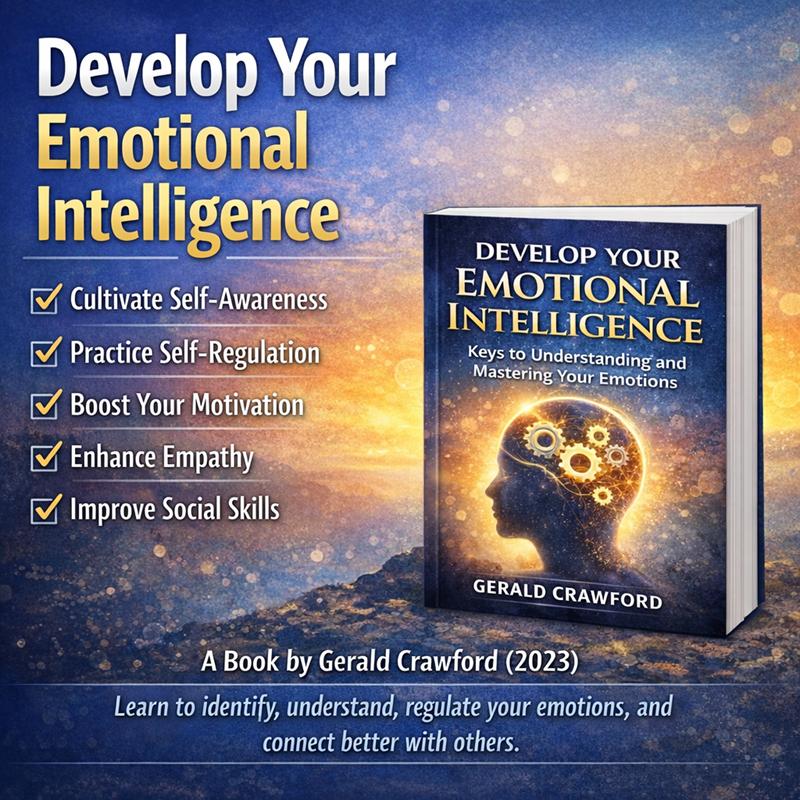
Developing Emotional Intelligence
Johan refined EI through three balancing practices:
1. Cognitive-Emotional Integration
He learned to integrate thought and feeling:
-
Naming emotions without being ruled by them
-
Validating feelings while maintaining logic
This prevented emotional suppression.
2. Perspective Mapping
Johan practiced viewing situations systemically:
-
Context, history, incentives, and limitations
-
Understanding people within their environments
Judgment softened into insight.
3. Humility of Knowledge
He accepted the limits of reason:
-
Recognising uncertainty
-
Remaining open to new information
This kept reason flexible, not rigid.
Movement Up the Consciousness Scale
Reason created a bridge to higher relational consciousness:
-
From Reason (400) → clarity and insight
-
To Love (500) → empathy and connection
-
Toward Joy (540) → meaning and flow
Understanding prepared the ground for compassion.
Outcome
Over time, Johan experienced:
-
Reduced emotional confusion
-
Improved conflict resolution
-
Thoughtful leadership
-
Inner order and predictability
Life made sense — and felt manageable.
Key Learning
Reason organises life — but it does not warm it.
When emotional intelligence fully matures, reason evolves into wisdom guided by compassion, opening the door to deeper connection and meaning.



Leave a Reply