
Emotional intelligence (EI) refers to the ability to recognize and understand emotions in oneself and others, and to use this awareness to guide thought and behavior. Here’s a comprehensive introduction to EI:
Definition of Emotional Intelligence:
Emotional intelligence is the capacity to:
1. Recognize and understand emotions: Identify and comprehend emotions in oneself and others, including the subtleties of emotional expression.
2. Use emotions to guide thought and behavior: Harness emotions to inform decision-making, problem-solving, and interactions with others.
3. Manage and regulate emotions: Effectively manage and regulate one’s own emotions, as well as respond to the emotions of others.
Key Components of Emotional Intelligence:
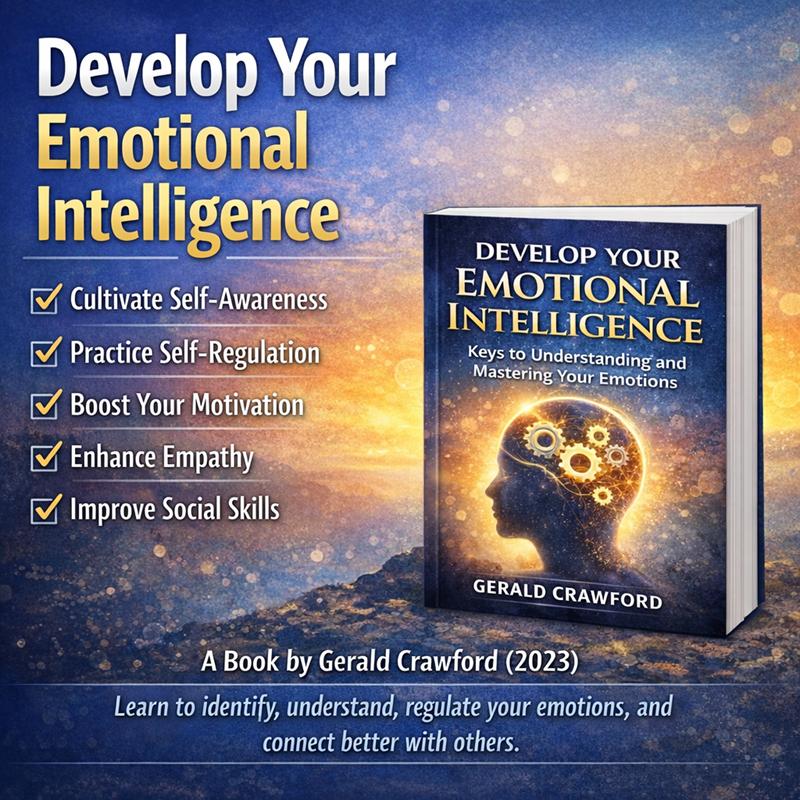
1. Self-Awareness: The ability to recognize and understand one’s own emotions, values, and motivations.
2. Self-Regulation: The ability to control and manage one’s own emotions, impulses, and behaviors.
3. Motivation: The ability to use emotions to drive motivation, achieve goals, and pursue personal growth.
4. Empathy: The ability to recognize and understand the emotions, needs, and perspectives of others.
5. Social Skills: The ability to effectively communicate, interact, and build relationships with others.
Benefits of Emotional Intelligence:
1. Improved relationships: EI helps individuals build stronger, more meaningful relationships with others.
2. Enhanced decision-making: EI enables individuals to make more informed decisions, taking into account their own emotions and the emotions of others.
3. Increased self-awareness: EI promotes self-awareness, allowing individuals to better understand their own strengths, weaknesses, and emotions.
4. Reduced stress and anxiety: EI helps individuals manage stress and anxiety, leading to improved mental health and well-being.
Theoretical Frameworks:
1. The Mayer-Salovey-Caruso Model: This model proposes that EI consists of four branches: perceiving emotions, using emotions to facilitate thought, understanding emotions, and managing emotions.
2. The Goleman Model: This model proposes that EI consists of five components: self-awareness, self-regulation, motivation, empathy, and social skills.
Assessments and Tools:
1. Emotional Intelligence Quotient (EQ-i): A widely used assessment tool that measures EI across various domains.
2. Mayer-Salovey-Caruso Emotional Intelligence Test (MSCEIT): A research-based assessment that evaluates EI across four branches.
By understanding and developing emotional intelligence, individuals can improve their relationships, decision-making, and overall well-being.




Leave a Reply