Empathy and compassion are essential components of healthy relationships. Here’s an overview of the importance of empathy and compassion in relationships:
Empathy:
1. Definition: Empathy is the ability to understand and share the feelings of another person.
2. Importance: Empathy is crucial in relationships, as it allows individuals to connect with each other on a deeper level.
Compassion:
1. Definition: Compassion is the ability to feel concern and kindness for another person’s suffering.
2. Importance: Compassion is essential in relationships, as it allows individuals to provide emotional support and care for each other.
Benefits of Empathy and Compassion:
1. Stronger relationships: Empathy and compassion can help build stronger, more meaningful relationships.
2. Improved communication: Empathy and compassion can improve communication, as individuals are more likely to listen actively and respond with understanding.
3. Increased trust: Empathy and compassion can increase trust, as individuals feel more secure and supported in their relationships.
Challenges to Empathy and Compassion:
1. Difficulty with emotional regulation: Emotional regulation can be challenging, especially for individuals with mental health conditions.
2. Limited access to resources: Access to resources, such as therapy or support groups, may be limited.
3. Individual differences: People may respond differently to empathy and compassion, and some may struggle to provide or receive empathy and compassion.
Strategies for Cultivating Empathy and Compassion:
1. Practice active listening: Listen actively and attentively to others, focusing on their words, tone, and body language.
2. Engage in perspective-taking: Try to see things from another person’s perspective, and imagine how they might be feeling.
3. Develop emotional awareness: Develop awareness of your own emotions and how they impact your behavior.
By cultivating empathy and compassion, individuals can build stronger, more meaningful relationships, improve communication, and increase trust.
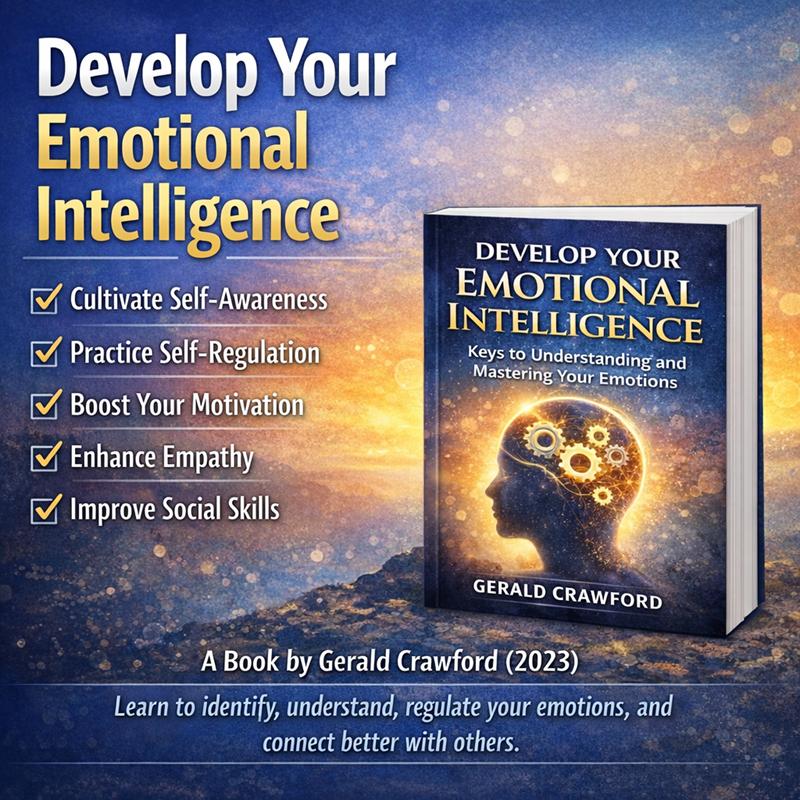




Can emotional intelligence be learned?
Yes, Emotional intelligence (EI) can be learned and developed through practice, training, and experience. While some people may naturally have a higher level of EI, it is not a fixed trait and can be improved over time.
Ways to Learn Emotional Intelligence
1. Self-reflection and self-awareness: Recognizing and understanding your own emotions and motivations.
2. Emotional regulation techniques: Learning techniques to manage and regulate your emotions.
3. Empathy-building exercises: Engaging in activities that promote empathy and understanding of others.
4. Social skills training: Developing effective communication and interaction skills.
5. Feedback and coaching: Receiving feedback and guidance from others to improve EI.
Benefits of Learning Emotional Intelligence
1. Improved relationships: Better communication and relationships with others.
2. Increased self-awareness: Greater understanding of your own emotions and motivations.
3. Better decision-making: More informed decisions considering the emotional impact on others.
4. Enhanced leadership skills: Improved ability to inspire and motivate others.
5. Increased job satisfaction: Greater job satisfaction and engagement.
Challenges to Learning Emotional Intelligence
1. Self-awareness: Recognizing and understanding your own emotions and motivations.
2. Emotional reactivity: Managing impulsive reactions to emotions.
3. Difficulty empathizing with others: Struggling to understand and connect with others’ emotions.
4. Limited social skills: Difficulty effectively communicating and interacting with others.
5. Resistance to feedback: Difficulty receiving and acting on feedback from others.
While EI can be learned, developing it requires effort, dedication, and a willingness to learn and grow.