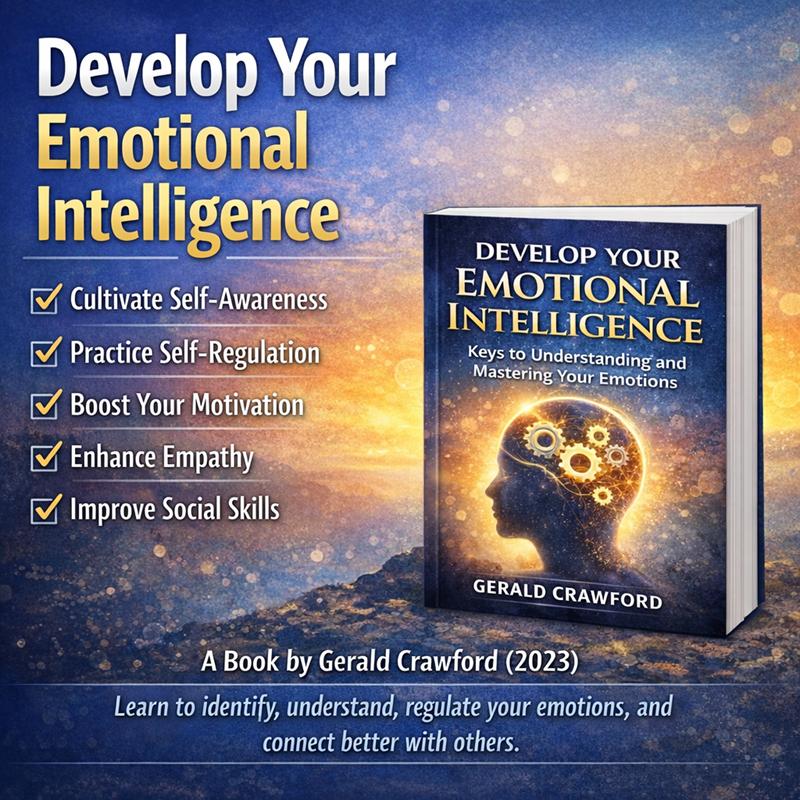
To develop Emotional Intelligence (EI), cultivate self-awareness by identifying and naming your emotions, self-regulation by managing those feelings, motivation by setting goals, empathy by understanding others' perspectives, and improving social skills through active listening and clear communication.

Category: Emotional Intelligence (Page 3 of 14)

Healing from Emotional Wounds that show as Digestive Issues

Healing from emotional wounds that manifest as digestive issues can be a complex and multi-faceted process. Our digestive system is closely linked to our emotional state, and unresolved emotional wounds can lead to a range of digestive issues, including:

1. Irritable Bowel Syndrome (IBS): Characterized by recurring abdominal pain, bloating, and changes in bowel movements, IBS can be triggered by stress, anxiety, and emotional trauma.

2. Gastroesophageal Reflux Disease (GERD): Also known as acid reflux, GERD can be exacerbated by stress, emotional eating, and poor digestion.

3. Inflammatory Bowel Disease (IBD): Conditions like Crohn’s disease and ulcerative colitis can be influenced by emotional stress, anxiety, and unresolved trauma.

4. Food sensitivities and intolerances: Emotional distress can lead to increased inflammation, which can contribute to the development of food sensitivities and intolerances.

5. Slow digestion and constipation: Emotional blockages can cause a slowing down of the digestive process, leading to constipation, bloating, and discomfort.

To heal from emotional wounds that manifest as digestive issues, consider the following steps:

1. Address underlying emotional issues: Identify the emotional wounds or stressors that may be contributing to your digestive issues. Seek professional help, such as therapy or counseling, to work through these issues.

2. Practice stress-reducing techniques: Regularly engage in stress-reducing activities, such as meditation, yoga, or deep breathing exercises, to help manage emotional stress and anxiety.

3. Improve digestion: Focus on eating a balanced diet, rich in whole foods, fruits, and vegetables. Consider incorporating digestive enzymes, probiotics, or gut-friendly supplements to support gut health.

4. Identify and avoid triggers: Keep a food diary to track any foods that may trigger digestive issues. Avoid or limit trigger foods, and explore alternative options that support digestion.

5. Develop a mindful eating practice: Eat slowly, savor your food, and pay attention to your body’s hunger and fullness cues. This can help you develop a healthier relationship with food and reduce digestive stress.

6. Engage in regular exercise: Regular physical activity can help reduce stress, improve digestion, and support overall gut health.

7. Prioritize sleep: Aim for 7-8 hours of sleep per night to help regulate stress hormones, support digestion, and promote overall well-being.

8. Explore gut-directed hypnotherapy: This form of therapy can help you address emotional issues related to your digestive system and promote relaxation, reducing symptoms of IBS and other digestive disorders.

9. Consider supplementation: Certain supplements, such as probiotics, omega-3 fatty acids, or turmeric, may help support gut health and reduce inflammation.

10. Seek professional guidance: Consult with a healthcare professional, such as a gastroenterologist or a registered dietitian, to rule out underlying medical conditions and develop a personalized treatment plan.

Additional resources:

* Books: “The Gut Makeover” by Jeannette Hyde, “The Mind-Gut Connection” by Emeran Mayer, and “The Digestive Health Solution” by Ben Brown

* Online courses: Courses on gut health, digestion, and mindful eating on platforms like Coursera, Udemy, or edX

* Therapy: Consider working with a therapist who specializes in gut-directed hypnotherapy or somatic experiencing

What resonates with you the most, or what would you like to explore further?

Healing from Emotional Wounds that show you that you have a Difficulty Trusting Others

Healing from emotional wounds that have led to difficulties in trusting others can be a complex and sensitive process. When we’ve been hurt or betrayed by others in the past, it’s natural to develop defenses and walls to protect ourselves from further harm. However, these defenses can also prevent us from forming deep, meaningful connections with others and experiencing the benefits of trust and intimacy.

Some common signs that you may be struggling with trusting others include:

1. Hypervigilance: You’re always on the lookout for potential threats or signs of betrayal, making it difficult to relax and feel safe in relationships.

2. Emotional unavailability: You may struggle to open up and share your feelings with others, fearing that they’ll judge, reject, or hurt you.

3. People-pleasing: You may try to control or manipulate others to ensure they don’t hurt or abandon you, which can lead to resentment and burnout.

4. Difficulty with intimacy: You may struggle to form close, intimate relationships, fearing that others will see your vulnerability and exploit it.

5. Self-reliance: You may rely solely on yourself and avoid asking for help or support, even when you need it, to avoid feeling dependent or vulnerable.

To heal from emotional wounds that have led to difficulties in trusting others, consider the following steps:

1. Identify the source of the wound: Reflect on the experiences that have led to your trust issues. Was it a childhood trauma, a past relationship, or a series of betrayals? Understanding the root of the wound can help you address it more effectively.

2. Practice self-compassion: Treat yourself with kindness, understanding, and patience as you work through your trust issues. Acknowledge that your fears and doubts are valid, but also remind yourself that you deserve to experience trust and intimacy.

3. Develop self-awareness: Recognize when you’re slipping into patterns of mistrust or people-pleasing. Take a step back, and ask yourself if your reactions are based on the current situation or past experiences.

4. Build trust with yourself: Focus on building trust with yourself by keeping promises, being reliable, and following through on commitments. This can help you develop a sense of self-trust, which can translate to trusting others.

5. Start small: Begin by trusting others in small ways, such as sharing your thoughts or feelings with a friend or family member. Gradually increase the level of trust as you become more comfortable.

6. Seek out supportive relationships: Surround yourself with people who are supportive, empathetic, and reliable. This can help you feel safer and more trusting in relationships.

7. Practice mindfulness and presence: Focus on the present moment and the people in your life who are trustworthy. Mindfulness practices, such as meditation or deep breathing, can help you stay grounded and centered.

8. Forgive and let go: Forgiveness is a process, and it may take time. However, holding onto resentment and anger can prevent you from healing and moving forward. Consider seeking the help of a therapist or counselor to work through forgiveness and letting go.

9. Develop healthy communication skills: Learn effective communication skills, such as active listening, assertiveness, and boundary-setting. This can help you express your needs and feelings in a clear and respectful manner.

10. Celebrate progress: Acknowledge and celebrate your progress, no matter how small. Recognize that healing from emotional wounds and building trust takes time, effort, and patience.

Additional resources:

* Books: “The Body Keeps the Score” by Bessel van der Kolk, “Attached: The New Science of Adult Attachment and How It Can Help You Find—and Keep—Love” by Amir Levine and Rachel Heller, and “Daring Greatly: How the Courage to Be Vulnerable Transforms the Way We Live, Love, Parent, and Lead” by Brené Brown

* Online courses: Courses on attachment, relationships, and trust on platforms like Coursera, Udemy, or edX

* Therapy: Consider working with a therapist who specializes in trauma, relationships, or attachment issues

What resonates with you the most, Gerald, or what would you like to explore further?

Healing from Emotional Wounds that show up as Perfectionism

Healing from emotional wounds that manifest as perfectionism can be a challenging and delicate process. Perfectionism often serves as a coping mechanism, a way to avoid feelings of vulnerability, shame, or inadequacy. However, it can also lead to an overwhelming sense of pressure, anxiety, and burnout.

To begin the healing process, it’s essential to acknowledge and understand the underlying emotional wounds that are driving your perfectionism. Some possible sources of emotional wounds include:

1. Childhood experiences: Growing up with overly critical or demanding parents, being constantly compared to others, or feeling like you’re never good enough can lead to deep-seated feelings of inadequacy and a need for perfection.

2. Trauma: Experiencing traumatic events, such as bullying, abuse, or neglect, can lead to a desire to control and perfect aspects of your life as a way to cope with feelings of powerlessness.

3. Societal expectations: The pressure to conform to societal norms, such as the expectation to be thin, successful, or accomplished, can foster a sense of perfectionism and self-doubt.

4. Self-criticism: Negative self-talk and self-criticism can perpetuate feelings of inadequacy and low self-esteem, leading to a need for perfectionism as a way to compensate.

To heal from emotional wounds that manifest as perfectionism, consider the following steps:

1. Self-compassion: Practice self-compassion and self-kindness. Treat yourself with the same kindness and understanding that you would offer to a friend.

2. Mindfulness: Engage in mindfulness practices, such as meditation or deep breathing, to help you stay present and focused on the current moment.

3. Self-reflection: Identify the sources of your emotional wounds and explore the emotions that drive your perfectionism. Journaling, therapy, or talking to a trusted friend can help you process your emotions.

4. Reframe negative thoughts: Challenge negative self-talk and reframe critical inner voices with more positive and realistic ones.

5. Let go of control: Gradually let go of the need to control every aspect of your life. Practice acceptance and surrender, recognizing that imperfection is a natural part of the human experience.

6. Develop self-awareness: Recognize when you’re slipping into perfectionistic tendencies and gently redirect yourself towards a more balanced and realistic approach.

7. Practice self-care: Engage in activities that nourish your mind, body, and soul, such as exercise, creative pursuits, or spending time in nature.

8. Seek support: Surround yourself with people who support and accept you for who you are, imperfections and all.

9. Forgive yourself: Practice self-forgiveness and acknowledge that mistakes are an inevitable part of growth and learning.

10. Celebrate progress: Celebrate your progress, no matter how small, and acknowledge the efforts you’re making towards healing and self-improvement.

Remember, healing from emotional wounds that manifest as perfectionism is a journey, and it’s essential to be patient, kind, and compassionate with yourself throughout the process.

Additional resources:

* Books: “The Gifts of Imperfection” by Brené Brown, “Self-Compassion” by Kristin Neff, and “The Perfectionism Workbook” by Sharon Martin

* Online courses: Mindfulness and self-compassion courses on platforms like Coursera, Udemy, or edX

* Therapy: Consider working with a therapist who specializes in trauma, anxiety, or self-esteem issues

What resonates with you the most, or what would you like to explore further?

Healing from Emotional Wounds that show up as Social Withdrawal

Healing from emotional wounds that manifest as social withdrawal can be a challenging and isolating experience. Social withdrawal can be a coping mechanism to avoid feelings of anxiety, fear, or vulnerability that may have arisen from past traumas, negative experiences, or social interactions.

Some common signs that you may be experiencing social withdrawal include:

1. Avoiding social events: You may find yourself consistently avoiding social gatherings, parties, or meetings, even if you were once enthusiastic about attending.

2. Feeling overwhelmed: You may feel overwhelmed by the thought of interacting with others, whether it’s due to fear of judgment, rejection, or simply feeling like you don’t fit in.

3. Preferring solitude: You may prefer to spend most of your time alone, engaging in solo activities, and avoiding interactions with others.

4. Difficulty with emotional expression: You may struggle to express your emotions or connect with others on a deeper level, leading to feelings of isolation and disconnection.

5. Loss of interest in activities: You may have lost interest in activities or hobbies that once brought you joy, and now find yourself feeling disconnected from the world around you.

To heal from emotional wounds that have led to social withdrawal, consider the following steps:

1. Identify the underlying causes: Reflect on the experiences that may have contributed to your social withdrawal. Is it due to past traumas, bullying, or negative social interactions? Understanding the root of your withdrawal can help you address it more effectively.

2. Practice self-compassion: Treat yourself with kindness, understanding, and patience as you work through your social withdrawal. Acknowledge that your feelings and fears are valid, and remind yourself that you deserve to connect with others and experience social support.

3. Start small: Begin by engaging in small, low-stakes social interactions, such as chatting with a cashier, saying hello to a neighbor, or participating in an online forum. Gradually increase the level of social interaction as you become more comfortable.

4. Find a supportive community: Seek out social groups, clubs, or organizations that align with your interests and values. This can help you connect with like-minded individuals and build a sense of belonging.

5. Develop emotional expression: Practice expressing your emotions through creative activities like writing, art, or music. This can help you process and release emotions, making it easier to connect with others.

6. Challenge negative thoughts: Notice when you’re engaging in negative self-talk or catastrophic thinking, and challenge those thoughts by reframing them in a more positive and realistic light.

7. Seek professional help: Consider working with a therapist or counselor who can help you address underlying issues and develop strategies to overcome social withdrawal.

8. Practice mindfulness and self-care: Engage in activities that promote relaxation and reduce stress, such as meditation, yoga, or deep breathing exercises. This can help you feel more grounded and centered, making it easier to engage in social interactions.

9. Celebrate small victories: Acknowledge and celebrate your small successes, even if it’s just attending a social event or striking up a conversation with someone new.

10. Be patient and persistent: Healing from emotional wounds and overcoming social withdrawal takes time, effort, and patience. Be gentle with yourself, and remember that progress may be slow, but it’s possible.

Additional resources:

* Books: “The Gifts of Imperfection” by Brené Brown, “Daring Greatly: How the Courage to Be Vulnerable Transforms the Way We Live, Love, Parent, and Lead” by Brené Brown, and “Quiet: The Power of Introverts in a World That Can’t Stop Talking” by Susan Cain

* Online courses: Courses on social skills, communication, and emotional intelligence on platforms like Coursera, Udemy, or edX

* Therapy: Consider working with a therapist who specializes in anxiety, depression, or social skills development

What resonates with you the most, or what would you like to explore further?

Healing from Emotional Wounds that show up as Substance Abuse

Healing from emotional wounds that manifest as substance abuse requires a comprehensive approach that addresses both the underlying emotional pain and the addiction itself.

Here’s a step-by-step guide to help you heal and recover:

Seeking Professional Help

1. Consult a therapist: Work with a therapist who specializes in substance abuse and trauma to help you identify the underlying emotional wounds driving your addiction.

2. Medical detoxification: If you’re struggling with physical dependence, consider medically supervised detoxification to ensure a safe and comfortable withdrawal process.

3. Support groups: Join a support group, such as Narcotics Anonymous (NA) or Alcoholics Anonymous (AA), to connect with others who are going through similar experiences.

Addressing Underlying Emotional Wounds

1. Identify triggers: Work with your therapist to identify the emotional triggers that lead to your substance use, such as stress, anxiety, or past trauma.

2. Process emotions: Learn healthy coping mechanisms to process and manage your emotions, such as mindfulness, journaling, or creative expression.

3. Develop self-compassion: Practice self-compassion and self-forgiveness to help you heal from shame, guilt, and self-criticism.

Building a Supportive Environment

1. Surround yourself with positive influences: Spend time with people who support and encourage your recovery, and avoid those who may trigger or enable your substance use.

2. Create a safe space: Establish a safe and comfortable living environment that promotes relaxation and reduces stress.

3. Engage in activities you enjoy: Participate in hobbies, creative pursuits, or other activities that bring you joy and help you maintain a positive outlook.

Developing Healthy Coping Mechanisms

1. Mindfulness and relaxation techniques: Practice mindfulness, meditation, or deep breathing exercises to manage stress and anxiety.

2. Physical activity: Engage in regular exercise, such as walking, yoga, or other activities that promote physical and emotional well-being.

3. Creative expression: Explore creative outlets, such as art, music, or writing, to express and process your emotions.

Rebuilding Self-Esteem and Purpose

1. Set achievable goals: Establish realistic goals and celebrate your achievements to help build confidence and self-esteem.

2. Develop a growth mindset: Focus on personal growth, learning, and self-improvement to help you stay motivated and engaged in your recovery.

3. Find purpose and meaning: Explore activities, volunteer work, or other pursuits that give you a sense of purpose and fulfillment.

Maintaining Long-Term Recovery

1. Continued therapy: Regularly attend therapy sessions to address ongoing emotional challenges and maintain your progress.

2. Support group attendance: Continue attending support groups to stay connected with others in recovery and maintain accountability.

3. Self-care and stress management: Prioritize self-care and develop effective stress management techniques to help you navigate life’s challenges without resorting to substance use.

Remember, healing from emotional wounds that manifest as substance abuse is a journey that requires patience, compassion, and support. With the right guidance, resources, and mindset, you can overcome your addiction and cultivate a more fulfilling, meaningful life.

« Older posts Newer posts »

Step-up and get your seat on my VIP Emotional Intelligence Mentorship Program for 2026

X
Back a Buddy Show your Support