
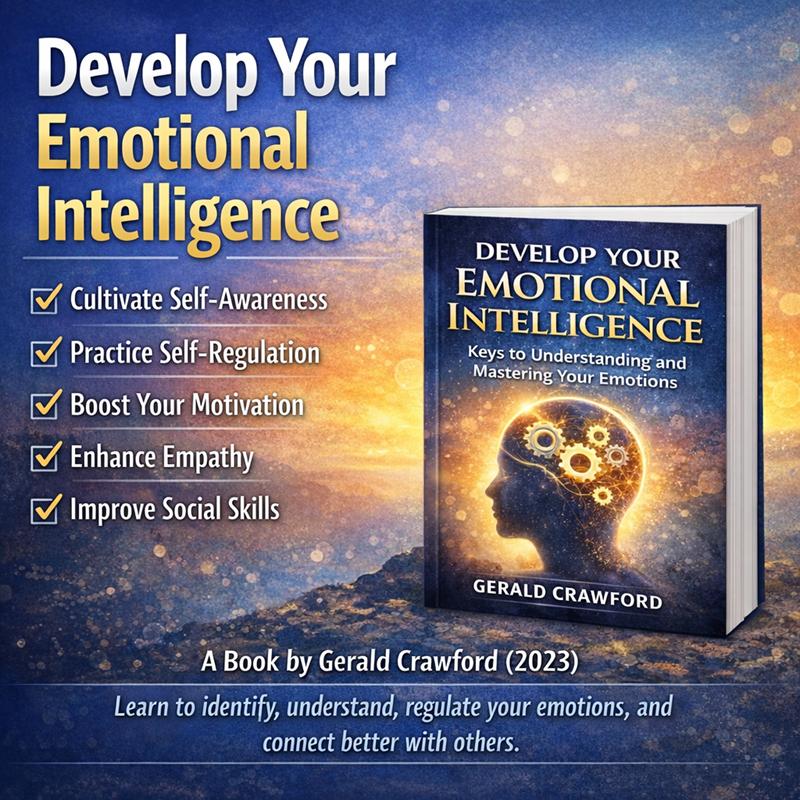
Emotional intelligence (EI) is multifaceted, so expanding to 40 signs allows us to cover the full spectrum: self-awareness, self-regulation, motivation, empathy, and social skills. Here’s a comprehensive list:
Self-Awareness
-
You understand your emotions clearly.
-
You can name your feelings accurately.
-
You recognize the causes of your emotions.
-
You notice early signs of emotional reactions.
-
You are aware of your strengths and weaknesses.
-
You reflect on your actions and decisions.
-
You accept responsibility for your feelings and behaviors.
-
You are honest with yourself about your motives.
Self-Regulation
-
You stay calm in stressful situations.
-
You pause before reacting emotionally.
-
You avoid making impulsive decisions.
-
You manage frustration without lashing out.
-
You can let go of negative emotions quickly.
-
You practice mindfulness or self-reflection regularly.
-
You are adaptable to unexpected changes.
-
You maintain composure even under criticism.
Motivation
-
You set meaningful personal goals.
-
You pursue goals with persistence despite setbacks.
-
You are optimistic about your potential.
-
You are intrinsically motivated, not just by rewards.
-
You embrace challenges as opportunities to grow.
-
You celebrate small achievements along the way.
-
You are committed to self-improvement.
-
You maintain focus even when progress is slow.
Empathy
-
You notice and understand others’ emotions.
-
You listen actively without interrupting.
-
You validate others’ feelings, even if you disagree.
-
You can sense non-verbal emotional cues.
-
You are patient with people who are struggling.
-
You are considerate and respectful in your responses.
-
You can see situations from another person’s perspective.
-
You are compassionate and willing to help.
Social Skills
-
You communicate clearly and assertively.
-
You maintain healthy boundaries.
-
You resolve conflicts calmly and constructively.
-
You inspire trust and confidence in others.
-
You collaborate effectively in teams.
-
You influence and motivate others positively.
-
You build meaningful and lasting relationships.
-
You give and receive praise graciously.
Insight:
Someone with high emotional intelligence demonstrates a balance of self-awareness, self-control, motivated persistence, empathy, and strong social skills. These traits often lead to better relationships, higher personal resilience, and a deeper understanding of oneself and others.



Leave a Reply