Emotional intelligence (EI) is crucial in the workplace, as it helps employees manage their emotions, build strong relationships, and make informed decisions. Here are some key aspects of EI in the workplace:
Why is EI Important in the Workplace?
1. Improved relationships: EI helps employees build strong relationships with colleagues, managers, and clients.
2. Better communication: EI enables employees to communicate effectively, avoiding misunderstandings and conflicts.
3. Increased productivity: EI helps employees manage stress and emotions, leading to increased productivity and job satisfaction.
Key Components of EI in the Workplace:
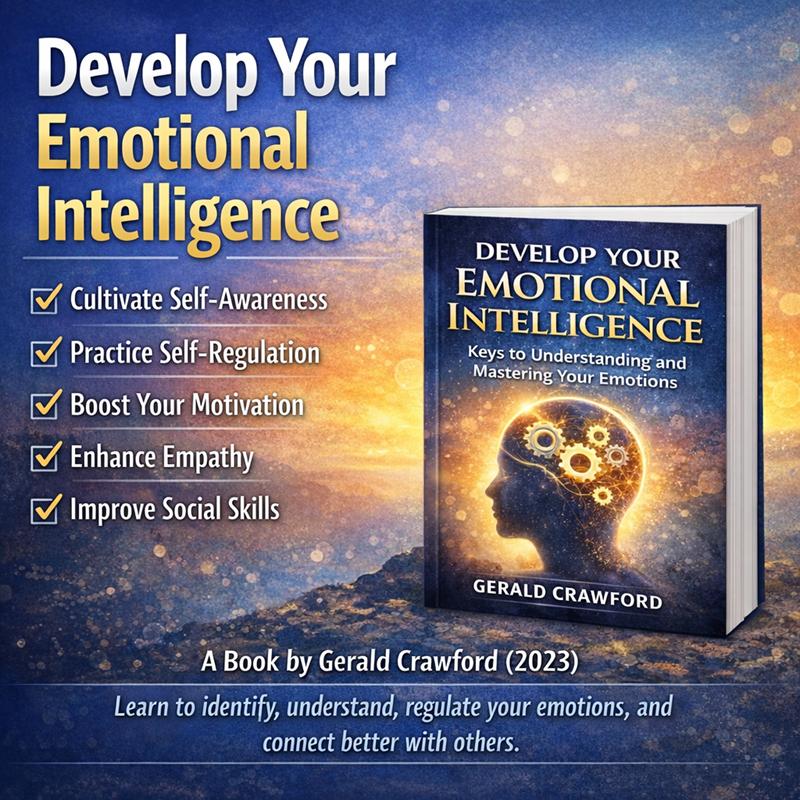
1. Self-awareness: Employees understand their own emotions, values, and motivations.
2. Self-regulation: Employees manage their emotions, impulses, and behaviors.
3. Motivation: Employees are motivated to achieve their goals and improve their performance.
4. Empathy: Employees understand and respect the emotions and perspectives of others.
5. Social skills: Employees communicate effectively, build relationships, and manage conflicts.
Benefits of EI in the Workplace:
1. Improved teamwork: EI helps employees work collaboratively, build strong relationships, and manage conflicts.
2. Increased job satisfaction: EI helps employees manage stress, reduce burnout, and increase job satisfaction.
3. Better decision-making: EI enables employees to make informed decisions, considering the emotional and social implications.
Challenges to EI in the Workplace:
1. Emotional labor: Employees may struggle to manage their emotions, leading to burnout and decreased job satisfaction.
2. Conflicting priorities: Employees may face conflicting priorities, making it challenging to manage their emotions and relationships.
3. Limited resources: Employees may not have access to resources, such as training or support, to develop their EI.
Strategies for Developing EI in the Workplace:
1. Training and development: Provide employees with training and development opportunities to improve their EI.
2. Coaching and mentoring: Offer coaching and mentoring to help employees develop their EI.
3. Feedback and evaluation: Provide regular feedback and evaluation to help employees understand their strengths and areas for improvement.
By prioritizing EI in the workplace, organizations can create a positive, productive, and supportive work environment that benefits both employees and the organization as a whole.



Leave a Reply