Case Study 29: Developing Emotional Intelligence and Building Willingness
Consciousness Level: Willingness (310)
Emotional State: Optimistic, disciplined
Background
Thabo (34) is steady, dependable, and quietly motivated. Unlike earlier stages driven by survival, ego, or emotional volatility, Thabo operates from a place of choice. He is not free of challenges — but he meets them with openness rather than resistance.
Willingness developed as he stopped asking, “Why is this happening to me?” and started asking, “What can I learn from this?”
Emotional Landscape at the Level of Willingness
At Willingness, the core belief is:
“Life is workable, and I can participate in it.”
Thabo’s emotional world is characterised by:
-
Optimism grounded in realism
-
Emotional resilience
-
Discipline without rigidity
-
A growth-oriented mindset
Willingness carries forward-moving energy without force.
Impact on Relationships
Willingness reshaped Thabo’s relationships positively:
-
Those He Loved and Cared For:
He showed up consistently, not conditionally. -
Those He Needed:
Cooperation replaced avoidance or control. -
Those He Tolerated or Felt Indifferent To:
He engaged respectfully without emotional charge.
Relationships became spaces for contribution rather than negotiation.
Behavioural Patterns
Behaviour at Willingness reflects responsible engagement:
-
Taking initiative without pressure
-
Following through on commitments
-
Practicing self-discipline without self-punishment
-
Responding rather than reacting
Effort felt meaningful, not exhausting.
The Turning Point: From Passive Acceptance to Active Engagement
Thabo realised:
Neutrality kept me balanced — willingness allows me to grow.
He understood that emotional maturity requires participation, not withdrawal.
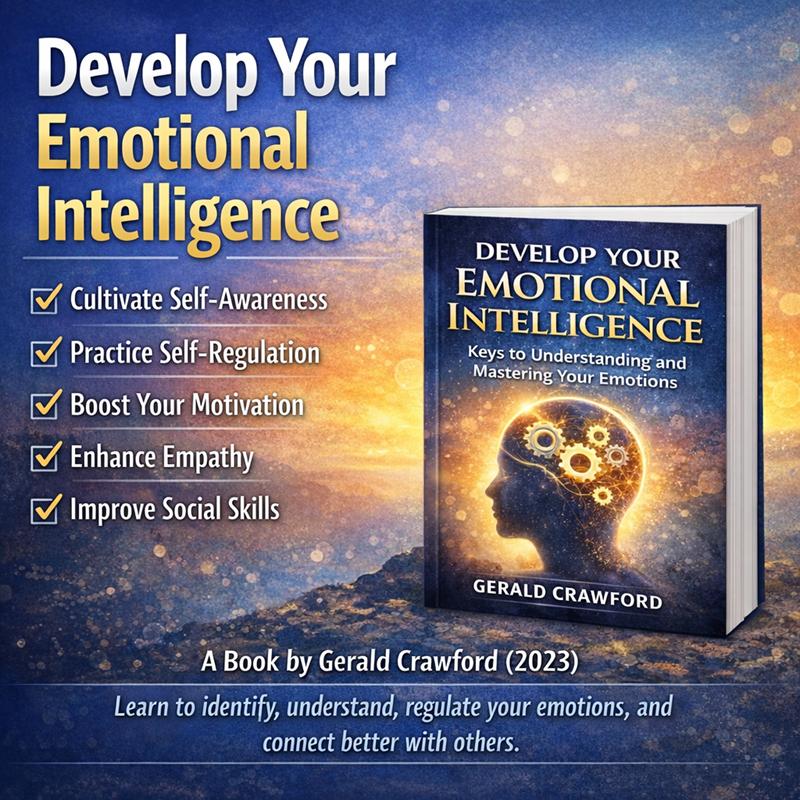
Developing Emotional Intelligence
Thabo strengthened EI through three key practices:
1. Emotional Ownership
He took responsibility for his internal state:
-
Naming emotions honestly
-
Regulating rather than suppressing
-
Acting from values, not moods
This created inner alignment.
2. Habitual Discipline
Discipline became supportive, not punitive:
-
Small daily commitments
-
Consistency over intensity
-
Progress over perfection
Self-trust grew with each follow-through.
3. Optimistic Framing
Thabo reframed setbacks as feedback:
-
“What is this teaching me?”
-
“How can I respond constructively?”
Hope became practical.
Movement Up the Consciousness Scale
Willingness naturally supported higher development:
-
From Willingness (310) → engagement and effort
-
To Acceptance (350) → accountability and forgiveness
-
Toward Reason (400) → clarity and understanding
Energy became increasingly refined.
Outcome
Over time, Thabo experienced:
-
Increased confidence
-
Reliable self-motivation
-
Stronger personal and professional relationships
-
Emotional stability with forward momentum
Life felt participatory, not burdensome.
Key Learning
Willingness is the bridge between stability and growth.
When emotional intelligence is embodied, willingness becomes disciplined optimism — the quiet power to keep moving forward with integrity.



Leave a Reply