Emotions play a significant role in shaping our behavior and decision-making. Here’s an overview of the impact of emotions on behavior and decision-making:
The Impact of Emotions on Behaviour:
1. Emotional Triggers: Emotions can trigger certain behaviors, such as aggression, fear, or excitement.
2. Emotional Regulation: Emotions can influence our ability to regulate our behavior, leading to impulsive or reckless actions.
3. Motivation: Emotions can motivate us to take action, pursue goals, and achieve success.
The Impact of Emotions on Decision-Making:
1. Emotions as Information: Emotions can serve as information, influencing our decisions and judgments.
2. Emotional Biases: Emotions can lead to biases and heuristics, influencing our decision-making processes.
3. Risk-Taking: Emotions can influence our willingness to take risks, leading to either more cautious or more reckless decisions.
The Role of Emotions in Decision-Making:
1. Intuition: Emotions can play a role in intuition, influencing our gut feelings and instincts.
2. Emotional Experience: Emotions can influence our emotional experience, shaping our perceptions and judgments.
3. Decision-Making Styles: Emotions can influence our decision-making styles, leading to more impulsive or more deliberate decisions.
The Impact of Emotions on Relationships:
1. Emotional Contagion: Emotions can be contagious, influencing the emotions and behaviors of others.
2. Empathy and Compassion: Empathy and compassion are essential for building strong, supportive relationships.
Managing Emotions:
1. Emotional Awareness: Emotional awareness involves recognizing and understanding one’s own emotions and the emotions of others.
2. Emotional Regulation: Emotional regulation involves managing and regulating one’s own emotions and the emotions of others.
3. Mindfulness: Mindfulness involves being present and aware in the moment, without judgment.
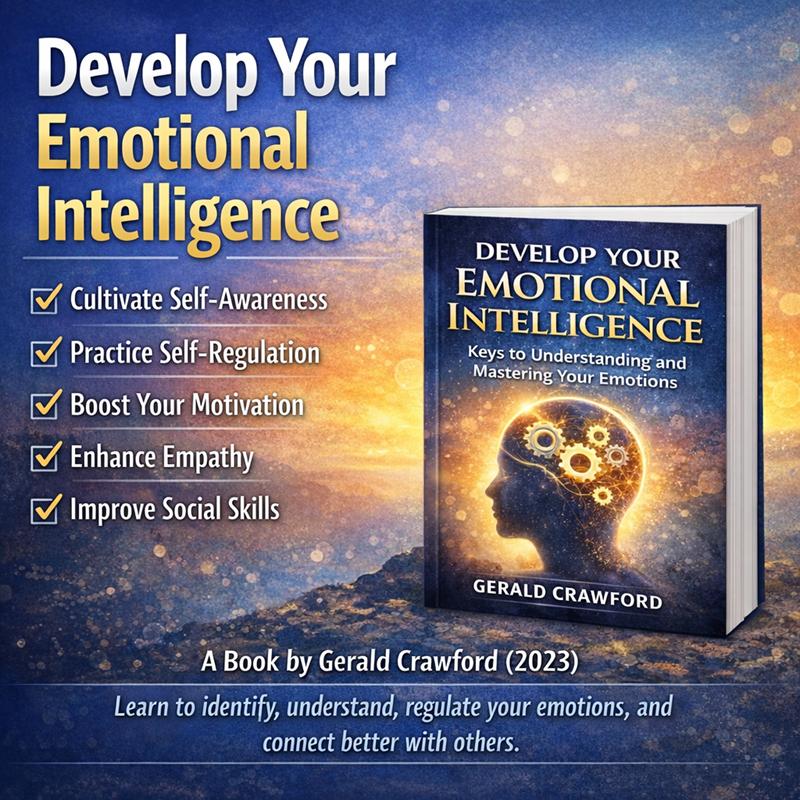
Developing Emotional Intelligence:
1. Self-Awareness: Self-awareness involves understanding one’s own emotions, values, and motivations.
2. Emotional Regulation: Emotional regulation involves managing and regulating one’s own emotions and the emotions of others.
3. Empathy and Compassion: Empathy and compassion involve understanding and responding to the emotions and needs of others.
By understanding the impact of emotions on behavior and decision-making, individuals can develop greater emotional intelligence, manage their emotions more effectively, and build stronger, more supportive relationships.




Leave a Reply