
Q: In your world, does conflict often escalate when people react emotionally or take things personally?
A: Yes, in many situations, conflicts can escalate when people react emotionally or take things personally. This can be due to various factors, such as:
1. Lack of emotional awareness: Not being aware of one’s own emotions and how they impact behavior can lead to reactive and impulsive responses.
2. Personalization: Taking things personally can lead to defensiveness and emotional reactivity, escalating conflicts.
3. Emotional contagion: Being around others who are emotional can be contagious, leading to a escalation of emotions and conflicts.
4. Stress and overwhelm: High levels of stress and overwhelm can impair emotional regulation, leading to reactive and impulsive responses.
The Consequences of Unmanaged Conflict:
Unmanaged conflict can lead to:
1. Damaged relationships: Conflicts that are not managed effectively can damage relationships and erode trust.
2. Increased stress and anxiety: Unmanaged conflicts can lead to increased stress and anxiety, impacting mental and physical health.
3. Decreased productivity and performance: Unmanaged conflicts can decrease productivity and performance, impacting personal and professional goals.
4. Escalation and violence: In extreme cases, unmanaged conflicts can escalate into violence, harming individuals and communities.
Developing Emotional Intelligence to Address Conflict:
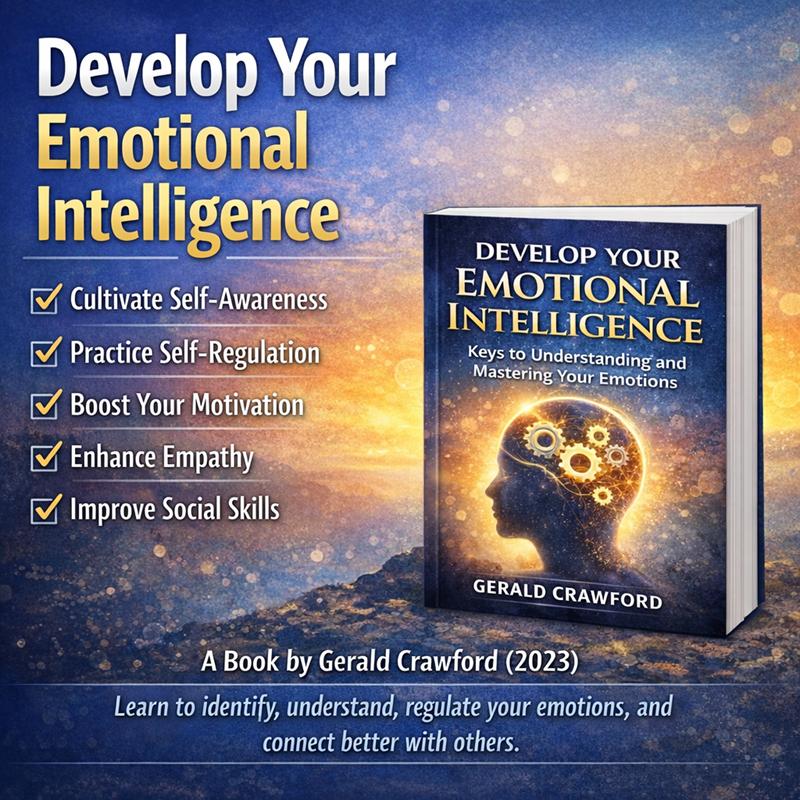
To address conflict and prevent escalation, you can develop your Emotional Intelligence (EI) by following these steps:
1. Practice self-awareness: Develop a deeper understanding of your own emotions, values, and goals. Ask yourself:
* What am I feeling right now?
* What are my strengths and weaknesses?
* What are my values and goals?
2. Develop emotional regulation: Learn to manage and regulate your emotions, especially during times of conflict. Try:
* Deep breathing exercises
* Progressive muscle relaxation
* Mindfulness meditation
3. Use active listening: Pay attention to the other person, and try to understand their perspective. Ask yourself:
* What is the other person trying to communicate?
* What are their needs and concerns?
* How can I show empathy and understanding?
4. Practice empathy and perspective-taking: Try to see things from the other person’s perspective, and understand their feelings and needs. Ask yourself:
* How would I feel in this situation?
* What would I need to feel heard and understood?
5. Use “I” statements: Instead of blaming or accusing the other person, use “I” statements to express your thoughts and feelings. For example:
* “I feel frustrated when…” instead of “You always…”
6. Seek feedback and clarification: Ask for feedback and clarification to ensure you understand the other person’s perspective and needs. Ask yourself:
* What can I do to improve our communication?
* What are the other person’s needs and concerns?
7. Practice conflict resolution skills: Develop skills to resolve conflicts effectively, such as:
* Remaining calm and composed
* Focusing on the issue, not the person
* Seeking common ground and compromise
By following these steps, you can develop your Emotional Intelligence and address conflict in a more effective and constructive manner.
Additional Tips:
* Practice mindfulness and self-compassion to manage emotions and reactions
* Engage in open and honest communication to prevent misunderstandings and conflicts
* Seek support from a mental health professional if you’re struggling with conflict or emotional regulation
* Develop a growth mindset and be willing to learn from conflicts and mistakes.
Remember, developing Emotional Intelligence is a continuous process that takes time, effort, and patience. Be gentle with yourself, and don’t be afraid to seek help when needed.




Leave a Reply