
Q: Do you misinterpret a colleague’s feedback as criticism or fail to connect emotionally?
A: Many people struggle with receiving feedback without feeling attacked or misunderstood. You may notice that you:
- Feel defensive or hurt when someone gives feedback
- Assume negative intent even when the message is neutral
- React emotionally instead of listening fully
- Misread tone, body language, or context
- Shut down or withdraw rather than engage
- Have difficulty connecting with the person giving feedback
- Focus on how something was said instead of what was meant
These reactions often come from gaps in Emotional Intelligence (EI)—especially in self-awareness, social awareness, and emotional regulation.
The good news is: EI can be developed, and doing so reduces defensiveness and builds stronger workplace relationships.
Q: How can I address this by developing my Emotional Intelligence?
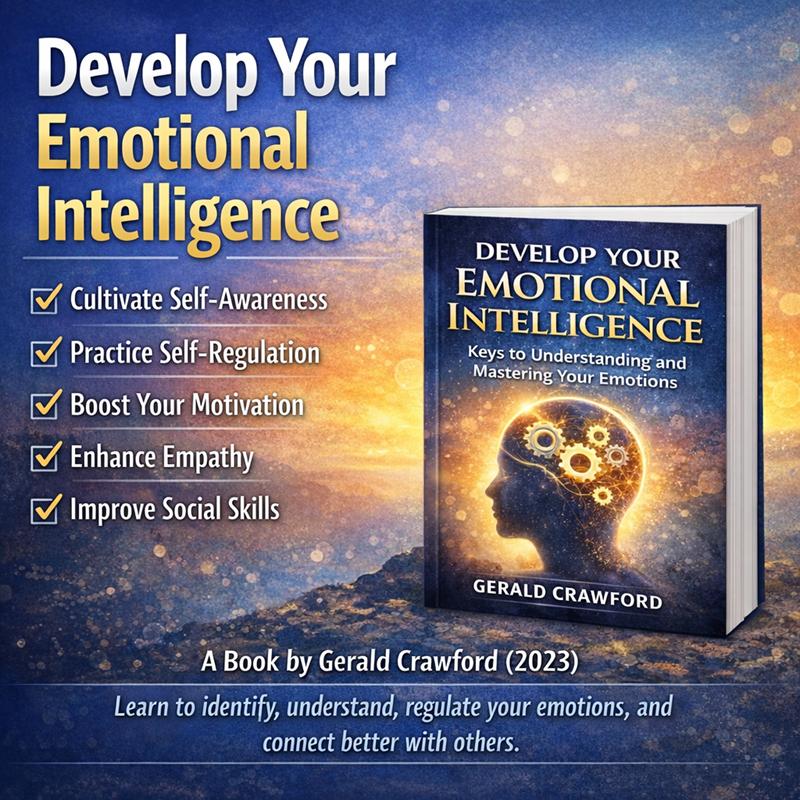
Emotional Intelligence helps you understand your emotional responses, interpret others’ intentions more accurately, and engage in feedback conversations with clarity and confidence.
Here’s how each EI skill helps:
1. Strengthen Self-Awareness
Self-awareness helps you recognize why feedback feels personal and what emotions come up for you.
EI Practices:
- Notice your initial reaction: “I feel defensive / anxious / embarrassed.”
- Identify triggers: tone, timing, past experiences, or self-doubt.
- Ask yourself: “Am I reacting to the message or my interpretation of it?”
Impact:
You separate emotion from information, which makes feedback less overwhelming.
2. Improve Self-Management
This helps you stay calm and open rather than reactive.
EI Practices:
- Pause before responding; breathe deeply to reset.
- Use neutral self-talk: “This is feedback, not a personal attack.”
- Ask clarifying questions instead of reacting emotionally.
- Take time to process if needed: “Let me reflect on that and get back to you.”
Impact:
You respond thoughtfully, not impulsively, even when the feedback is uncomfortable.
3. Enhance Social Awareness (Empathy)
Empathy helps you understand the intention behind feedback rather than assuming the worst.
EI Practices:
- Consider the colleague’s perspective: “What are they trying to help me improve?”
- Observe their tone and body language for context.
- Assume positive intent unless proven otherwise.
- Listen for the underlying message: support, collaboration, or problem-solving.
Impact:
You interpret feedback more accurately and less emotionally.
4. Build Relationship Management Skills
This turns feedback into a constructive, collaborative conversation.
EI Practices:
- Thank the person for offering feedback.
- Communicate calmly: “I appreciate you pointing that out.”
- Share your perspective without defensiveness.
- Follow up with actions to show openness and growth.
- Ask for feedback consistently to normalize the process.
Impact:
You build trust, reduce conflict, and strengthen connections with colleagues.
Practical EI Tools to Improve Feedback Situations
- Use the “Listen → Reflect → Respond” method
- Say: “Help me understand what you mean by…”
- Focus on behavior, not identity
- Practice emotional labeling: “I feel…”
- Seek feedback regularly to reduce sensitivity
- Reflect afterward: What did I learn? What will I try next?
What benefits will I see by developing Emotional Intelligence?
You’ll experience:
- Less defensiveness during feedback
- Clearer understanding of others’ intentions
- Better emotional control
- Stronger professional relationships
- More productive conversations
- Increased confidence and openness
- Reduced misunderstandings
- Improved performance and teamwork
Developing Emotional Intelligence helps you shift from feeling criticized to feeling coached — making feedback a tool for growth instead of stress.




Leave a Reply