Case Study 28: Developing Emotional Intelligence and Building Neutrality
Consciousness Level: Neutrality (250)
Emotional State: Non-judgmental, flexible
Background
Lindiwe (38) is calm, observant, and quietly grounded. She has lived through emotional extremes — shame, fear, anger, and pride — and learned that fighting reality only increased suffering. Neutrality emerged not as detachment, but as emotional maturity.
She no longer feels the need to control people or outcomes. Instead, she chooses her responses with intention.
Emotional Landscape at the Level of Neutrality
At the Neutrality level, the core belief is:
“I don’t need to resist life to be okay.”
Lindiwe’s emotional world is characterised by:
-
Emotional steadiness
-
Acceptance of difference
-
Reduced reactivity
-
Comfort with uncertainty
Neutrality brings inner balance without passivity.
Impact on Relationships
Neutrality reshaped how Lindiwe related to others:
-
Those She Loved and Cared For:
She offered presence without attachment or control. -
Those She Needed:
Collaboration replaced power struggles. -
Those She Tolerated or Felt Indifferent To:
Interactions were polite, clear, and emotionally uncharged.
Relationships became simpler and less draining.
Behavioural Patterns
At Neutrality, behaviour reflects emotional self-regulation:
-
Pausing before responding
-
Letting go of unnecessary conflict
-
Allowing others to be as they are
-
Choosing battles consciously
Lindiwe no longer felt responsible for managing others’ emotions.
The Turning Point: Letting Go of Judgment
Her breakthrough came when she realised:
Judgment binds me to what I judge.
Releasing judgment freed energy and clarity. She discovered that neutrality is not indifference — it is emotional freedom.
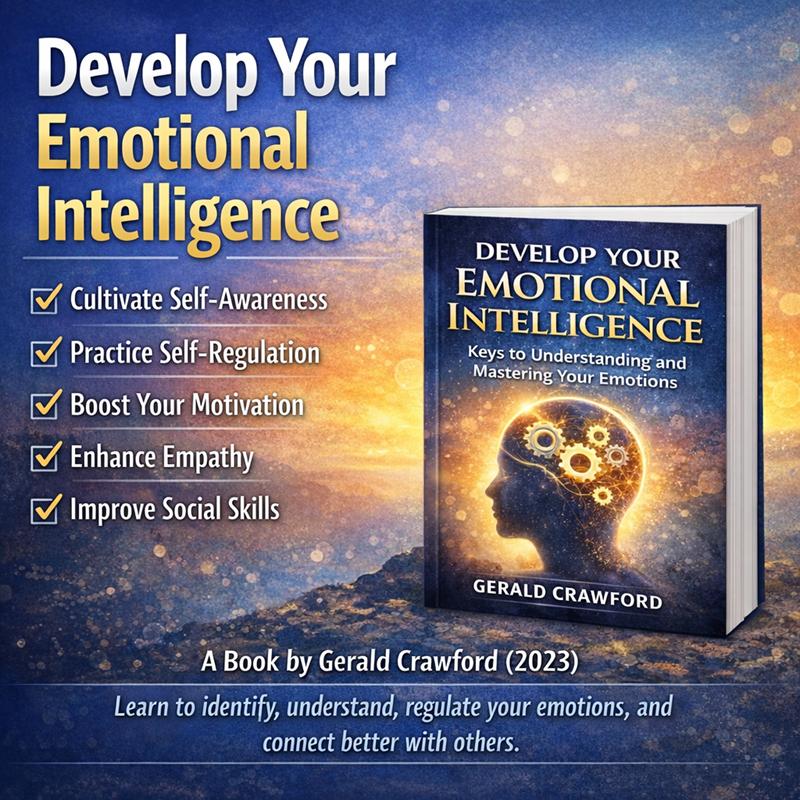
Developing Emotional Intelligence
Lindiwe strengthened EI through three core practices:
1. Emotional Detachment Without Disconnection
She learned to stay present without absorbing emotional charge:
-
Observing emotions without identifying with them
-
Remaining engaged without becoming reactive
This preserved empathy without exhaustion.
2. Perspective Flexibility
Neutrality allowed multiple truths:
-
Listening without needing agreement
-
Respecting different viewpoints
-
Adapting without self-betrayal
Flexibility replaced rigidity.
3. Self-Trust
Lindiwe trusted her capacity to respond when needed:
-
Reduced urgency
-
Increased patience
-
Calm confidence
Life no longer felt threatening.
Movement Up the Consciousness Scale
Neutrality created a stable platform for higher growth:
-
From Neutrality (250) → emotional balance
-
To Willingness (310) → proactive engagement
-
Toward Acceptance (350) → responsibility and forgiveness
Neutrality became the emotional ground floor of peace.
Outcome
Over time, Lindiwe experienced:
-
Emotional ease
-
Clearer boundaries
-
Healthier relationships
-
Increased mental clarity
She no longer needed to prove, resist, or escape.
Key Learning
Neutrality is not disengagement — it is freedom from emotional compulsion.
When emotional intelligence is fully embodied, neutrality becomes the foundation for wisdom, compassion, and conscious choice.




Leave a Reply