Case Study 27: Developing Emotional Intelligence and Healing from Pride
Consciousness Level: Pride (175)
Emotional State: Arrogance, defensiveness
Background
Andrew (45) is accomplished, articulate, and confident. He has built a successful career and prides himself on being self-made. To those around him, he appears strong and self-assured. Yet beneath the confidence lies a rigid need to be right and a deep resistance to vulnerability.
Andrew learned early that status, achievement, and competence brought respect. Admitting uncertainty or failure felt dangerous — a threat to his identity. Pride became his armour.
Emotional Landscape at the Level of Pride
At the Pride level, the core belief is:
“I am better because I have proven myself.”
Andrew’s emotional world was characterised by:
-
Defensiveness when challenged
-
Sensitivity to criticism
-
Comparison with others
-
Conditional self-worth based on success
Pride offers stability, but it is brittle. Any threat to self-image feels personal.
Impact on Relationships
Pride shaped Andrew’s relationships in limiting ways:
-
Those He Loved and Cared For:
Emotional intimacy was restricted. Vulnerability felt like weakness. -
Those He Needed:
Feedback was tolerated only when it confirmed his self-image. -
Those He Tolerated or Felt Indifferent To:
He maintained emotional distance, often appearing superior or dismissive.
Pride protected Andrew from shame — but at the cost of connection.
Behavioural Patterns
Andrew’s behaviours reflected ego protection:
-
Reluctance to admit mistakes
-
Justifying actions rather than reflecting on them
-
Competing rather than collaborating
-
Difficulty asking for help
These behaviours preserved status but limited growth.
The Turning Point: Strength Without Defensiveness
Andrew’s shift began during a leadership review where, for the first time, he received feedback he could not dismiss. Instead of reacting, he paused.
A key insight emerged:
If I’m truly secure, I don’t need to defend myself.
This moment cracked the armour.
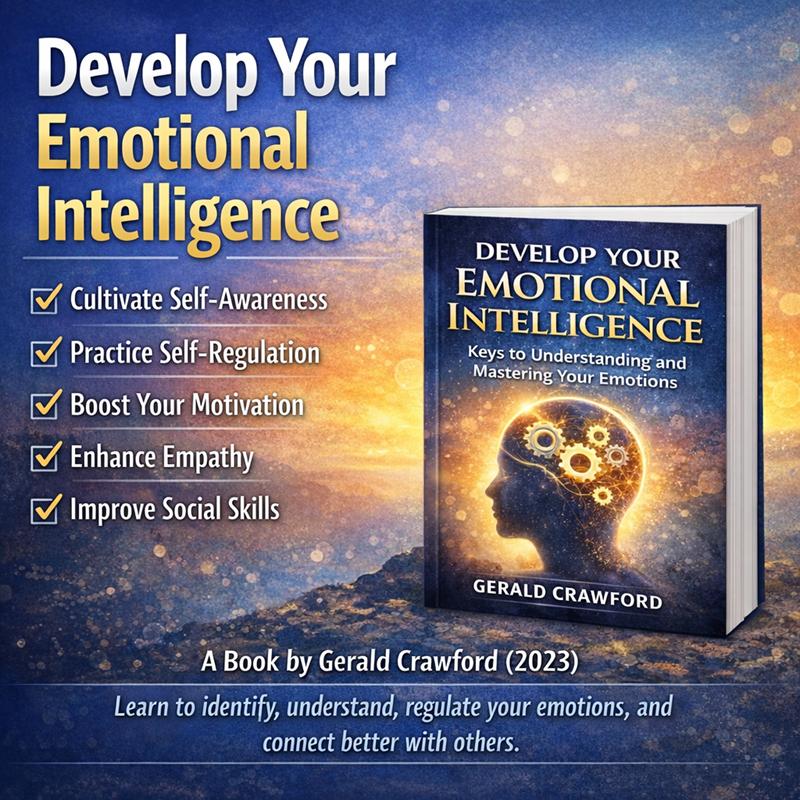
Developing Emotional Intelligence
Andrew developed EI through three transformative practices:
1. Humility as Strength
He learned that humility is not self-diminishment, but openness.
-
Listening without preparing a rebuttal
-
Admitting uncertainty
-
Allowing others to be right
This expanded his emotional range.
2. Identity Separation
Andrew practiced separating:
-
Who he is
from -
What he achieves
Self-worth slowly shifted from performance to presence.
3. Feedback Integration
Instead of seeing feedback as attack, he began treating it as information.
-
Curiosity replaced defensiveness
-
Learning replaced justification
Growth accelerated.
Movement Up the Consciousness Scale
Andrew’s development followed a clear progression:
-
From Pride (175) → openness to feedback
-
To Courage (200) → self-trust without arrogance
-
Toward Neutrality (250) → non-defensive presence
Pride softened into grounded confidence.
Outcome
Over time, Andrew experienced:
-
Deeper emotional intimacy
-
Improved leadership effectiveness
-
Reduced need to compare
-
Greater psychological flexibility
He remained confident — but no longer guarded.
Key Learning
Pride is not the enemy — defensiveness is.
When emotional intelligence is developed, pride evolves into self-respect without superiority.
True confidence does not require proof — it rests in authentic self-acceptance.




Leave a Reply