Case Study 26: Developing Emotional Intelligence and Healing from Anger
Consciousness Level: Anger (150)
Emotional State: Frustration, force that can be constructive or destructive
Background
Michael (40) is outspoken, passionate, and driven. He is often described as “intense.” When things don’t go as expected, his frustration surfaces quickly — sharp words, raised voice, and a strong need to correct what he sees as wrong.
Michael grew up in an environment where power came through dominance. Emotions were expressed loudly, and calm communication was often mistaken for weakness. Anger became his primary way of asserting control and protecting himself.
Emotional Landscape at the Level of Anger
At the Anger level, the core belief is:
“Something is wrong, and I must force change.”
Michael’s emotional world was characterised by:
-
Irritability and impatience
-
Strong reactions to perceived injustice
-
A sense of moral superiority
-
Difficulty tolerating opposition or delay
Anger carries significantly more energy than fear or desire — but it is volatile.
Impact on Relationships
Anger deeply influenced Michael’s relationships:
-
Those He Loved and Cared For:
He oscillated between loyalty and outbursts, leaving loved ones emotionally unsafe. -
Those He Needed:
Authority figures were often challenged, leading to conflict and resistance. -
Those He Tolerated or Felt Indifferent To:
Minor inconveniences triggered disproportionate reactions.
Anger pushed people away while convincing Michael he was “just being honest.”
Behavioural Patterns
Michael’s behaviours reflected force-driven action:
-
Confrontational communication
-
Blame and defensiveness
-
Impulsive decisions
-
Difficulty listening or pausing
While anger created movement, it often damaged trust and collaboration.
The Turning Point: Anger as Information, Not Identity
Michael’s shift began when he learned a crucial EI distinction:
Anger is a signal — not a strategy.
Through coaching, he discovered that beneath anger often lived:
-
Fear of being ignored
-
Frustration with powerlessness
-
Unmet needs or violated values
Recognising anger as information reduced its explosiveness.
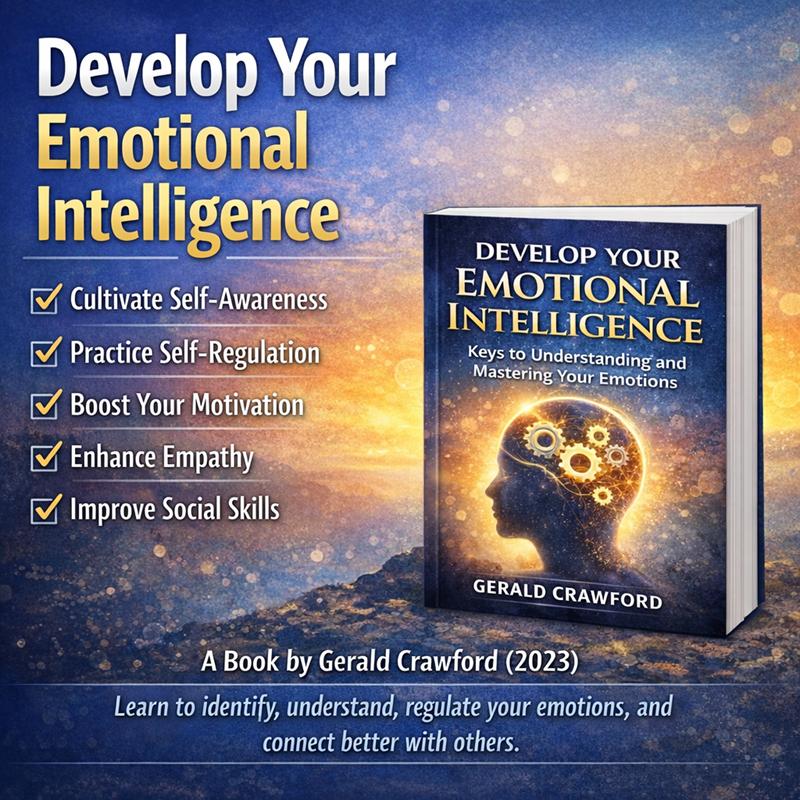
Developing Emotional Intelligence
Michael developed EI through three essential skills:
1. Emotional Decompression
He learned to pause before reacting:
-
Slowing his breathing
-
Creating space between stimulus and response
-
Naming the emotion internally
This pause prevented automatic escalation.
2. Needs Identification
Instead of expressing anger as attack, he learned to ask:
-
“What boundary was crossed?”
-
“What value feels threatened?”
Anger became a guide to unmet needs rather than a weapon.
3. Assertive Communication
Michael practiced expressing himself without force:
-
Clear requests
-
Calm firmness
-
Willingness to listen
This preserved power without aggression.
Movement Up the Consciousness Scale
Michael’s emotional growth followed a decisive progression:
-
From Anger (150) → awareness and restraint
-
To Pride (175) → self-respect and confidence
-
Toward Courage (200) → grounded, empowered action
Force slowly transformed into strength.
Outcome
Over time, Michael experienced:
-
Reduced conflict
-
Stronger, safer relationships
-
Increased influence without intimidation
-
Greater emotional self-control
Anger no longer controlled him — it served him.
Key Learning
Anger becomes destructive when it is unconscious.
When met with emotional intelligence, anger becomes clarity, boundaries, and purposeful action.
True power does not come from force — it comes from self-mastery.




Leave a Reply