To develop Emotional Intelligence (EI), cultivate self-awareness by identifying and naming your emotions, self-regulation by managing those feelings, motivation by setting goals, empathy by understanding others' perspectives, and improving social skills through active listening and clear communication.

Category: Wheel of Emotions

Use the ‘Wheel of Emotions’ to understanding your emotions

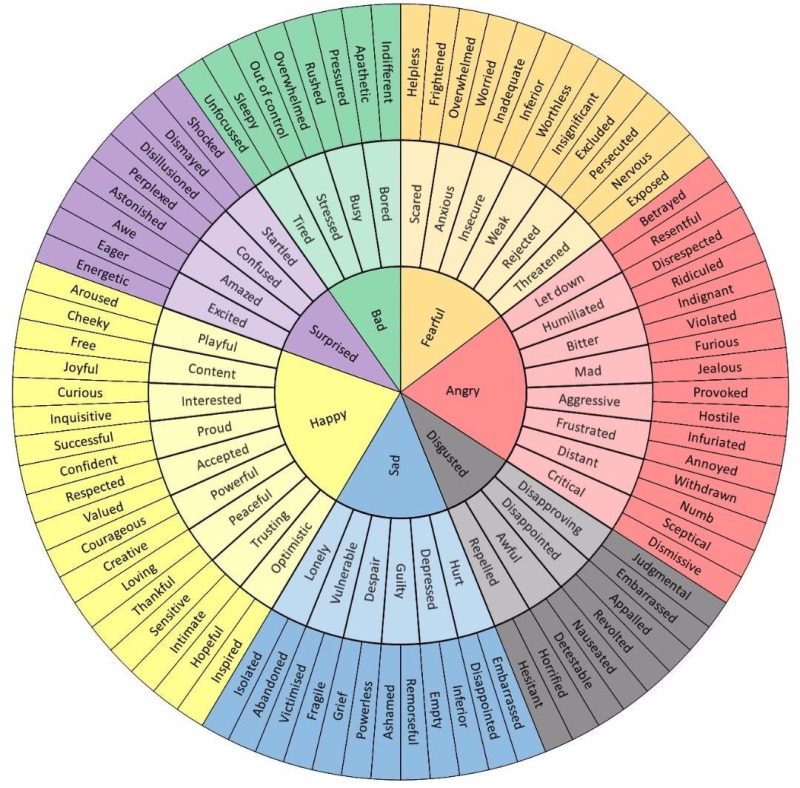
The Wheel of Emotions is a tool used to help individuals understand and express their emotions. Here’s an overview of how to use the Wheel of Emotions to express better emotions:

What is the Wheel of Emotions?

The Wheel of Emotions is a circular diagram that displays a range of emotions, from basic emotions like happiness, sadness, anger, and fear, to more complex emotions like nostalgia, excitement, and love.

How to Use the Wheel of Emotions:

1. Identify your emotions: Start by identifying how you’re feeling. Try to label your emotions using the words on the Wheel of Emotions.

2. Explore the emotions: Once you’ve identified your emotions, explore them in more depth. Ask yourself questions like “What am I feeling right now?” “Why am I feeling this way?” and “What can I do to manage these emotions?”

3. Express your emotions: Use the Wheel of Emotions to express your emotions in a healthy and constructive way. For example, if you’re feeling angry, you might express that emotion through physical activity, creative expression, or talking to a friend.

Benefits of Using the Wheel of Emotions:

1. Increased emotional awareness: The Wheel of Emotions can help you become more aware of your emotions and how they impact your behavior.

2. Improved emotional regulation: By identifying and expressing your emotions in a healthy way, you can better regulate your emotions and manage stress.

3. Enhanced communication: The Wheel of Emotions can help you communicate your emotions more effectively to others, leading to stronger, more meaningful relationships.

Tips for Using the Wheel of Emotions:

1. Be honest with yourself: Be honest with yourself about how you’re feeling. Don’t try to suppress or deny your emotions.

2. Use “I” statements: Use “I” statements to express your emotions, rather than “you” statements that can come across as accusatory.

3. Practice self-compassion: Practice self-compassion and treat yourself with kindness, even when you’re experiencing difficult emotions.

By using the Wheel of Emotions, you can develop a greater understanding of your emotions, express them in a healthy and constructive way, and improve your overall well-being.

The Wheel of Emotions was developed by American psychologist Robert Plutchik. He created it as a tool to help people understand the nuances of emotion and the relationships between different emotional states, which he believed evolved to serve survival purposes.

Reading the “Wheel of Emotions” from the outside inwards

The Wheel of Emotions is a useful tool for understanding and managing emotions. Here’s an overview of how to read the Wheel of Emotions from the outside inwards:

The Outer Ring: Emotions

The outer ring of the Wheel of Emotions represents different emotions, ranging from basic emotions like happiness, sadness, anger, and fear, to more complex emotions like nostalgia, excitement, and love.

The Middle Ring: Intensity

The middle ring of the Wheel of Emotions represents the intensity of the emotions, ranging from mild to intense.

The Inner Ring: Core Emotions

The inner ring of the Wheel of Emotions represents the core emotions, which are the underlying emotions that drive our behavior.

Reading the Wheel of Emotions:

1. Start with the outer ring: Start by identifying the emotion you’re experiencing. Look for the emotion on the outer ring of the Wheel of Emotions.

2. Assess the intensity: Assess the intensity of the emotion. Is it mild, moderate, or intense?

3. Explore the core emotion: Explore the core emotion underlying the surface-level emotion. For example, if you’re feeling angry, the core emotion might be frustration or hurt.

Benefits of Reading the Wheel of Emotions:

1. Increased emotional awareness: Reading the Wheel of Emotions can help you become more aware of your emotions and how they impact your behavior.

2. Improved emotional regulation: By identifying and understanding your emotions, you can better regulate them and manage stress.

3. Enhanced communication: Reading the Wheel of Emotions can help you communicate your emotions more effectively to others, leading to stronger, more meaningful relationships.

Tips for Reading the Wheel of Emotions:

1. Be honest with yourself: Be honest with yourself about how you’re feeling. Don’t try to suppress or deny your emotions.

2. Use the Wheel regularly: Use the Wheel of Emotions regularly to track your emotions and identify patterns.

3. Practice self-compassion: Practice self-compassion and treat yourself with kindness, even when you’re experiencing difficult emotions.

By reading the Wheel of Emotions from the outside inwards, you can gain a deeper understanding of your emotions, develop greater emotional awareness, and improve your overall well-being.

The Wheel of Emotions was developed by American psychologist Robert Plutchik. He created it as a tool to help people understand the nuances of emotion and the relationships between different emotional states, which he believed evolved to serve survival purposes.

Back a Buddy Show your Support