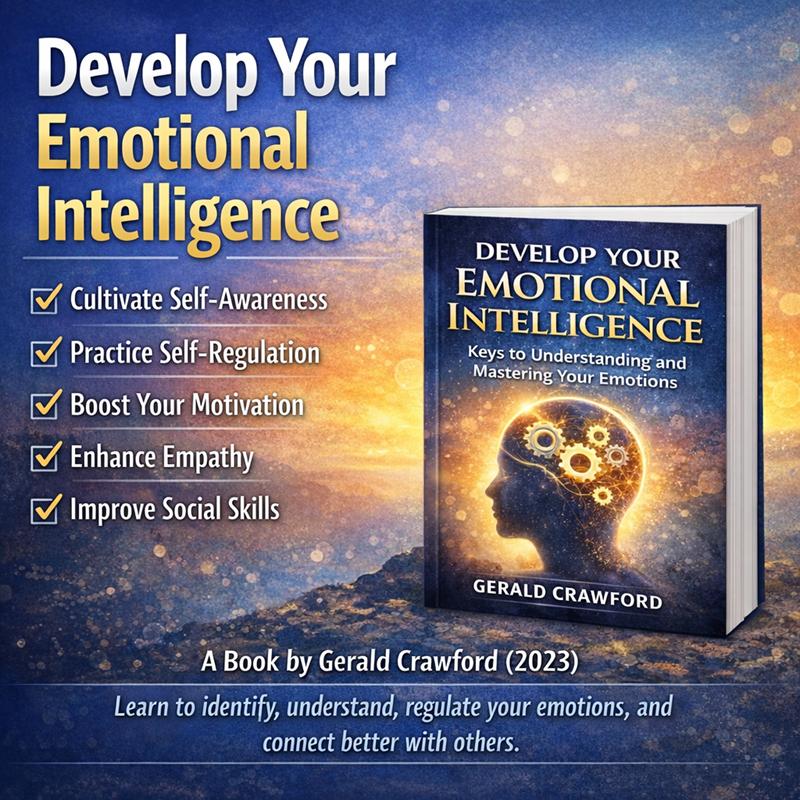
To develop Emotional Intelligence (EI), cultivate self-awareness by identifying and naming your emotions, self-regulation by managing those feelings, motivation by setting goals, empathy by understanding others' perspectives, and improving social skills through active listening and clear communication.

Category: Understanding Emotions

Understanding Emotions – Strategies for managing emotions

Managing emotions is an essential aspect of emotional intelligence. Here are some strategies for managing emotions:

Emotional Awareness:

1. Self-Reflection: Take time to understand and recognize your emotions.

2. Emotional Labeling: Label your emotions to better understand and manage them.

3. Mindfulness: Practice mindfulness to increase awareness of your emotions.

Emotional Regulation:

1. Deep Breathing: Practice deep breathing to calm down and regulate emotions.

2. Physical Activity: Engage in physical activity to release tension and regulate emotions.

3. Cognitive Reappraisal: Reappraise negative thoughts to regulate emotions.

Emotional Expression:

1. Verbal Expression: Express emotions through verbal communication.

2. Nonverbal Expression: Express emotions through nonverbal cues, such as body language and facial expressions.

3. Creative Expression: Express emotions through creative activities, such as art, music, or writing.

Emotional Support:

1. Seek Social Support: Seek support from friends, family, or a therapist.

2. Emotional Validation: Validate others’ emotions to create a supportive environment.

3. Empathy: Practice empathy to understand and support others.

Mindfulness and Relaxation:

1. Meditation: Practice meditation to increase mindfulness and relaxation.

2. Yoga: Practice yoga to increase mindfulness and relaxation.

3. Progressive Muscle Relaxation: Practice progressive muscle relaxation to reduce stress and anxiety.

Cognitive-Behavioral Therapy (CBT):

1. Identify Negative Thoughts: Identify negative thoughts and challenge them.

2. Reframe Negative Thoughts: Reframe negative thoughts to positive ones.

3. Develop Coping Skills: Develop coping skills to manage emotions.

Emotional Intelligence Training:

1. Emotional Intelligence Courses: Take courses to learn about emotional intelligence.

2. Emotional Intelligence Coaching: Work with a coach to develop emotional intelligence.

3. Emotional Intelligence Assessments: Take assessments to evaluate emotional intelligence.

Developing Emotional Intelligence:

1. Practice Self-Awareness: Practice self-awareness to understand emotions.

2. Develop Emotional Regulation: Develop emotional regulation skills to manage emotions.

3. Practice Empathy: Practice empathy to understand and support others.

By using these strategies, individuals can develop emotional intelligence, manage emotions effectively, and improve their overall well-being.

Understanding Emotions – The impact of emotions on behaviour and decision-making

Emotions play a significant role in shaping our behavior and decision-making. Here’s an overview of the impact of emotions on behavior and decision-making:

The Impact of Emotions on Behaviour:

1. Emotional Triggers: Emotions can trigger certain behaviors, such as aggression, fear, or excitement.

2. Emotional Regulation: Emotions can influence our ability to regulate our behavior, leading to impulsive or reckless actions.

3. Motivation: Emotions can motivate us to take action, pursue goals, and achieve success.

The Impact of Emotions on Decision-Making:

1. Emotions as Information: Emotions can serve as information, influencing our decisions and judgments.

2. Emotional Biases: Emotions can lead to biases and heuristics, influencing our decision-making processes.

3. Risk-Taking: Emotions can influence our willingness to take risks, leading to either more cautious or more reckless decisions.

The Role of Emotions in Decision-Making:

1. Intuition: Emotions can play a role in intuition, influencing our gut feelings and instincts.

2. Emotional Experience: Emotions can influence our emotional experience, shaping our perceptions and judgments.

3. Decision-Making Styles: Emotions can influence our decision-making styles, leading to more impulsive or more deliberate decisions.

The Impact of Emotions on Relationships:

1. Emotional Contagion: Emotions can be contagious, influencing the emotions and behaviors of others.

2. Empathy and Compassion: Empathy and compassion are essential for building strong, supportive relationships.

Managing Emotions:

1. Emotional Awareness: Emotional awareness involves recognizing and understanding one’s own emotions and the emotions of others.

2. Emotional Regulation: Emotional regulation involves managing and regulating one’s own emotions and the emotions of others.

3. Mindfulness: Mindfulness involves being present and aware in the moment, without judgment.

Developing Emotional Intelligence:

1. Self-Awareness: Self-awareness involves understanding one’s own emotions, values, and motivations.

2. Emotional Regulation: Emotional regulation involves managing and regulating one’s own emotions and the emotions of others.

3. Empathy and Compassion: Empathy and compassion involve understanding and responding to the emotions and needs of others.

By understanding the impact of emotions on behavior and decision-making, individuals can develop greater emotional intelligence, manage their emotions more effectively, and build stronger, more supportive relationships.

Understanding Emotions – The basics of emotions: recognition, regulation, and expression

Understanding emotions is a crucial aspect of emotional intelligence. Here’s an overview of the basics of emotions:

What are Emotions?

Emotions are complex psychological and physiological states that people experience in response to various stimuli, such as thoughts, experiences, or social interactions. Emotions can be positive or negative, and they play a significant role in shaping our behavior, decision-making, and relationships.

The Basics of Emotions:

1. Recognition: Emotions can be recognized through various cues, such as facial expressions, body language, and physiological responses.

2. Regulation: Emotions can be regulated through various strategies, such as cognitive reappraisal, emotional suppression, and mindfulness.

3. Expression: Emotions can be expressed through various channels, such as verbal communication, nonverbal communication, and creative expression.

Types of Emotions:

1. Primary Emotions: Primary emotions are innate and universal, and they include emotions such as happiness, sadness, fear, anger, and surprise.

2. Secondary Emotions: Secondary emotions are more complex and nuanced, and they can be influenced by cultural, social, and personal factors.

Emotional Regulation:

1. Emotional Awareness: Emotional awareness involves recognizing and understanding one’s own emotions and the emotions of others.

2. Emotional Regulation Strategies: Emotional regulation strategies include cognitive reappraisal, emotional suppression, and mindfulness.

The Role of Emotions in Decision-Making:

1. Emotions as Information: Emotions can serve as information, influencing our decisions and judgments.

2. Emotions as Motivation: Emotions can motivate us to take action, pursue goals, and achieve success.

The Impact of Emotions on Relationships:

1. Emotional Contagion: Emotions can be contagious, influencing the emotions and behaviors of others.

2. Empathy and Compassion: Empathy and compassion are essential for building strong, supportive relationships.

Developing Emotional Awareness:

1. Self-Reflection: Self-reflection involves examining one’s own thoughts, feelings, and behaviors.

2. Mindfulness: Mindfulness involves being present and aware in the moment, without judgment.

3. Emotional Labeling: Emotional labeling involves identifying and labeling one’s own emotions.

By understanding the basics of emotions, individuals can develop greater emotional awareness, regulate their emotions more effectively, and build stronger, more supportive relationships.

Back a Buddy Show your Support