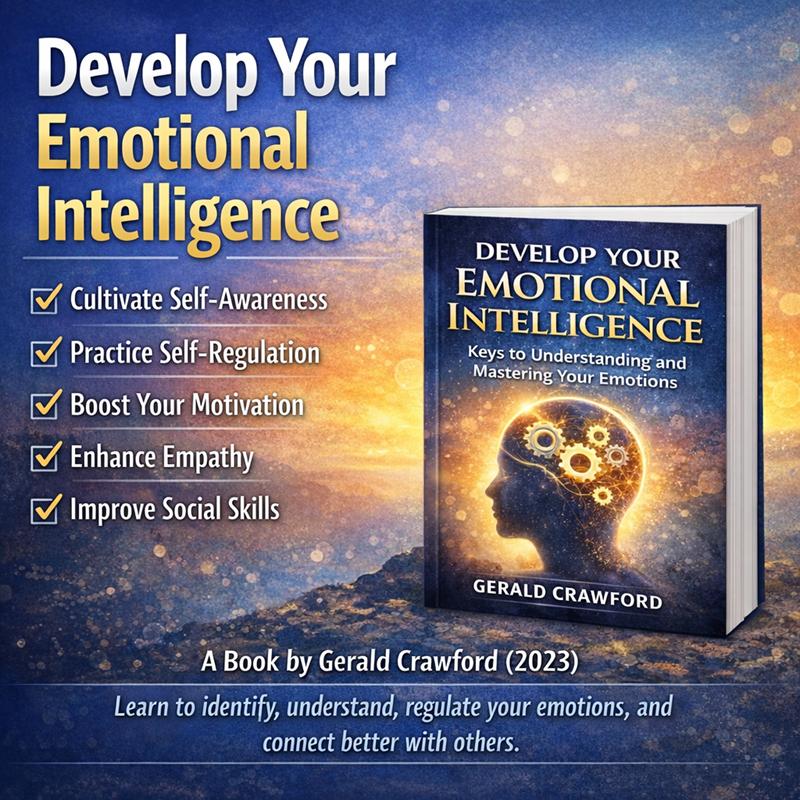
To develop Emotional Intelligence (EI), cultivate self-awareness by identifying and naming your emotions, self-regulation by managing those feelings, motivation by setting goals, empathy by understanding others' perspectives, and improving social skills through active listening and clear communication.

Category: Self-Awareness

Self-Awareness – Understanding personal values and motivations

Understanding personal values and motivations is a crucial aspect of self-awareness. Here’s an overview of how to understand your personal values and motivations:

What are Personal Values?

Personal values are the principles, standards, or qualities that guide an individual’s behavior and decision-making. They are often deeply ingrained and can influence a person’s attitudes, beliefs, and actions.

Why are Personal Values Important?

1. Guide decision-making: Personal values serve as a guide for decision-making, helping individuals to make choices that align with their values.

2. Shape behavior: Personal values influence behavior, shaping how individuals interact with others and the world around them.

3. Provide meaning and purpose: Personal values can provide a sense of meaning and purpose, helping individuals to feel more directed and focused.

How to Identify Personal Values:

1. Reflect on your beliefs: Take time to reflect on your beliefs and values, considering what is most important to you.

2. Examine your behavior: Examine your behavior and decision-making patterns, looking for clues about your values.

3. Seek feedback: Seek feedback from others, asking them to share their perceptions of your values.

What are Motivations?

Motivations are the driving forces that inspire individuals to take action, pursue goals, and achieve success. They can be intrinsic (internal) or extrinsic (external).

Why are Motivations Important?

1. Drive behavior: Motivations drive behavior, influencing individuals to take action and pursue goals.

2. Influence decision-making: Motivations can influence decision-making, shaping how individuals approach challenges and opportunities.

3. Impact well-being: Motivations can impact well-being, influencing an individual’s sense of satisfaction, happiness, and fulfillment.

How to Understand Your Motivations:

1. Reflect on your goals: Reflect on your goals and aspirations, considering what motivates you to pursue them.

2. Examine your values: Examine your values, looking for connections between your values and motivations.

3. Seek feedback: Seek feedback from others, asking them to share their perceptions of your motivations.

Benefits of Understanding Personal Values and Motivations:

1. Improved decision-making: Understanding personal values and motivations can improve decision-making, helping individuals to make choices that align with their values and goals.

2. Increased self-awareness: Understanding personal values and motivations can increase self-awareness, helping individuals to better understand themselves and their place in the world.

3. Enhanced well-being: Understanding personal values and motivations can enhance well-being, leading to greater satisfaction, happiness, and fulfillment.

By taking the time to understand your personal values and motivations, you can gain a deeper understanding of yourself, make more informed decisions, and live a more authentic, fulfilling life.

Self-Awareness – Techniques for developing self-awareness: journaling, meditation, and self-reflection

Developing self-awareness is a crucial aspect of emotional intelligence. Here are some techniques for developing self-awareness:

Journaling:

1. Writing down thoughts and feelings: Writing down your thoughts and feelings can help you process and understand them better.

2. Reflecting on experiences: Reflecting on your experiences can help you identify patterns and gain insights into your thoughts, feelings, and behaviors.

3. Identifying emotions: Identifying your emotions through journaling can help you develop emotional awareness and regulation.

Meditation:

1. Mindfulness meditation: Mindfulness meditation involves focusing on the present moment, without judgment.

2. Loving-kindness meditation: Loving-kindness meditation involves cultivating kindness and compassion towards oneself and others.

3. Transcendental meditation: Transcendental meditation involves using a mantra to quiet the mind and access a deeper state of consciousness.

Self-Reflection:

1. Regular self-reflection: Regular self-reflection involves taking time to reflect on your thoughts, feelings, and behaviors.

2. Asking questions: Asking questions about yourself, such as “What am I grateful for?” or “What can I improve on?” can help you gain insights and develop self-awareness.

3. Seeking feedback: Seeking feedback from others can provide new perspectives and insights into your thoughts, feelings, and behaviors.

Benefits of Self-Awareness:

1. Improved emotional regulation: Self-awareness can help you regulate your emotions more effectively.

2. Better decision-making: Self-awareness can help you make more informed decisions.

3. Stronger relationships: Self-awareness can help you build stronger, more meaningful relationships with others.

Challenges to Developing Self-Awareness:

1. Lack of time: Finding time to reflect on your thoughts, feelings, and behaviors can be challenging.

2. Difficulty with self-reflection: Some people may struggle with self-reflection, finding it difficult to be honest with themselves.

3. Fear of what you might discover: Some people may be afraid of what they might discover about themselves through self-reflection.

Overcoming Challenges:

1. Scheduling self-reflection: Scheduling self-reflection into your daily or weekly routine can help you prioritize it.

2. Seeking support: Seeking support from a therapist or trusted friend can provide a safe and supportive environment for self-reflection.

3. Practicing self-compassion: Practicing self-compassion can help you approach self-reflection with kindness and understanding.

By incorporating these techniques into your daily life, you can develop greater self-awareness, improve your emotional regulation, and build stronger relationships with others.

Back a Buddy Show your Support