
Q: Do you experience life balance challenges? What does this mean?
A: Life balance challenges occur when the demands of work, family, relationships, personal goals, and self-care feel out of sync.
You may be experiencing life balance issues if you:
- Feel overwhelmed or stretched too thin
- Struggle to juggle responsibilities
- Find it hard to set boundaries
- Rarely have time for rest or personal interests
- Feel guilty when focusing on yourself
- Experience stress or emotional exhaustion
- Have difficulty switching off mentally
- Feel pulled in many directions without clarity or control
Life balance challenges are often less about time and more about emotional load, unclear priorities, and difficulty managing competing pressures — all areas deeply connected to Emotional Intelligence.
Q: How can developing Emotional Intelligence help me improve my life balance?
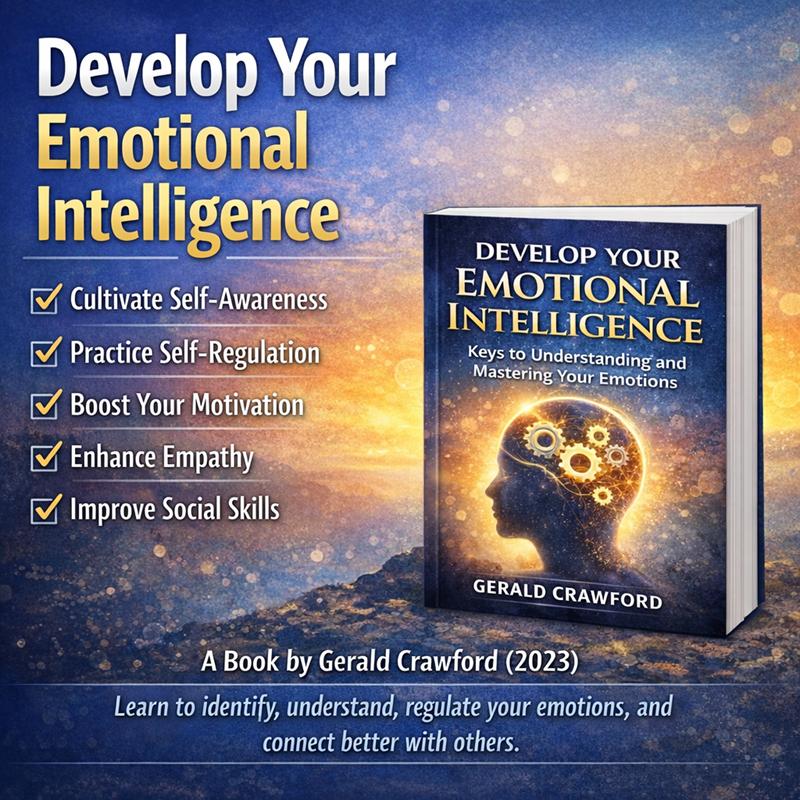
Emotional Intelligence strengthens your ability to understand yourself, manage stress, set healthy boundaries, and make decisions aligned with your values. When these abilities grow, life balance naturally improves.
Below is how each EI skill contributes:
1. Self-Awareness
Knowing your emotional limits, energy levels, and what truly matters.
How it helps:
- Helps you identify areas where your life feels out of balance.
- Clarifies which commitments drain you and which energize you.
- Allows you to recognize when you need rest or support.
Try:
- Ask daily: “What do I need right now?”
- Reflect weekly on what felt balanced vs. overwhelming.
- Identify your top 3 personal and professional priorities.
2. Self-Management
Regulating emotions, handling stress, and avoiding burnout.
How it helps:
- Keeps you grounded when juggling multiple responsibilities.
- Prevents emotional overwhelm from driving your decisions.
- Helps you protect time for yourself without guilt.
Try:
- Set micro-boundaries (ex: no emails after 7 PM).
- Incorporate stress-reduction practices: breathing, breaks, walks.
- Practice saying “I need time to think before committing.”
3. Social Awareness (Empathy)
Understanding others’ needs, pressures, and expectations.
How it helps:
- Reduces emotional pressure by helping you see where expectations are flexible.
- Helps you communicate more effectively about your limits.
- Prevents taking on unnecessary burdens based on assumptions.
Try:
- Ask: “What is this person actually expecting from me?”
- Notice when you are assuming responsibility that isn’t yours.
- Understand others’ emotional states before overcommitting to please them.
4. Relationship Management
Communicating your needs clearly and building supportive relationships.
How it helps:
- Empowers you to set healthy boundaries without conflict.
- Helps you delegate, collaborate, and ask for help.
- Strengthens personal and professional relationships that support balance.
Try:
- Use assertive communication: “I’d like to help, but my capacity is full right now.”
- Share your needs calmly before stress builds.
- Build habits of checking in with others about shared expectations.
Q: What practical Emotional Intelligence strategies can help me improve life balance?
1. Practice mindful prioritization
Sort tasks into:
- Important & urgent
- Important but not urgent
- Not important but urgent
- Neither
Emotional Intelligence helps you base priorities on values, not stress.
2. Create boundaries that protect your emotional energy
Examples:
- Schedule dedicated rest time
- Limit social or work commitments when drained
- Carve out non-negotiable time for family or personal interests
3. Use emotional check-ins
Ask yourself:
- “How am I feeling right now?”
- “What is driving this feeling?”
- “What do I need to regain balance?”
4. Learn to say “no” without guilt
A core EI skill is recognizing that protecting your well-being is not selfish — it is essential for sustainability.
5. Build recovery habits
Small, consistent resets improve emotional stability:
- Movement
- Meditation
- Time off screens
- Journaling
- Quiet time
- Sleep routines
Q: What benefits will I see as I strengthen my Emotional Intelligence?
Developing EI can help you:
- Achieve better balance between work, life, and personal needs
- Reduce stress and emotional overload
- Set boundaries with clarity and confidence
- Prioritize what truly matters
- Make decisions that align with your values
- Feel more in control of your schedule and energy
- Improve relationships through healthy communication
- Increase well-being, peace, and personal fulfillment
Improving life balance is not about doing more — it’s about choosing better. Emotional Intelligence gives you the awareness and regulation to make those choices with confidence and clarity.




Recent Comments