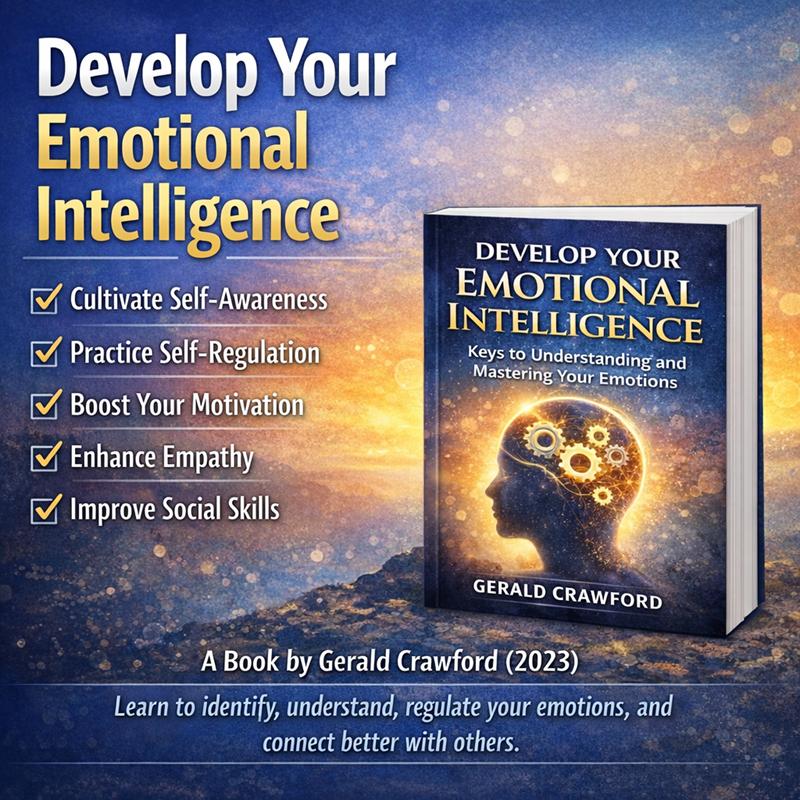
To develop Emotional Intelligence (EI), cultivate self-awareness by identifying and naming your emotions, self-regulation by managing those feelings, motivation by setting goals, empathy by understanding others' perspectives, and improving social skills through active listening and clear communication.

Category: Healing from Emotional Wounds (Page 2 of 2)

Healing from Emotional Wounds that show up as Perfectionism

Healing from emotional wounds that manifest as perfectionism can be a challenging and delicate process. Perfectionism often serves as a coping mechanism, a way to avoid feelings of vulnerability, shame, or inadequacy. However, it can also lead to an overwhelming sense of pressure, anxiety, and burnout.

To begin the healing process, it’s essential to acknowledge and understand the underlying emotional wounds that are driving your perfectionism. Some possible sources of emotional wounds include:

1. Childhood experiences: Growing up with overly critical or demanding parents, being constantly compared to others, or feeling like you’re never good enough can lead to deep-seated feelings of inadequacy and a need for perfection.

2. Trauma: Experiencing traumatic events, such as bullying, abuse, or neglect, can lead to a desire to control and perfect aspects of your life as a way to cope with feelings of powerlessness.

3. Societal expectations: The pressure to conform to societal norms, such as the expectation to be thin, successful, or accomplished, can foster a sense of perfectionism and self-doubt.

4. Self-criticism: Negative self-talk and self-criticism can perpetuate feelings of inadequacy and low self-esteem, leading to a need for perfectionism as a way to compensate.

To heal from emotional wounds that manifest as perfectionism, consider the following steps:

1. Self-compassion: Practice self-compassion and self-kindness. Treat yourself with the same kindness and understanding that you would offer to a friend.

2. Mindfulness: Engage in mindfulness practices, such as meditation or deep breathing, to help you stay present and focused on the current moment.

3. Self-reflection: Identify the sources of your emotional wounds and explore the emotions that drive your perfectionism. Journaling, therapy, or talking to a trusted friend can help you process your emotions.

4. Reframe negative thoughts: Challenge negative self-talk and reframe critical inner voices with more positive and realistic ones.

5. Let go of control: Gradually let go of the need to control every aspect of your life. Practice acceptance and surrender, recognizing that imperfection is a natural part of the human experience.

6. Develop self-awareness: Recognize when you’re slipping into perfectionistic tendencies and gently redirect yourself towards a more balanced and realistic approach.

7. Practice self-care: Engage in activities that nourish your mind, body, and soul, such as exercise, creative pursuits, or spending time in nature.

8. Seek support: Surround yourself with people who support and accept you for who you are, imperfections and all.

9. Forgive yourself: Practice self-forgiveness and acknowledge that mistakes are an inevitable part of growth and learning.

10. Celebrate progress: Celebrate your progress, no matter how small, and acknowledge the efforts you’re making towards healing and self-improvement.

Remember, healing from emotional wounds that manifest as perfectionism is a journey, and it’s essential to be patient, kind, and compassionate with yourself throughout the process.

Additional resources:

* Books: “The Gifts of Imperfection” by Brené Brown, “Self-Compassion” by Kristin Neff, and “The Perfectionism Workbook” by Sharon Martin

* Online courses: Mindfulness and self-compassion courses on platforms like Coursera, Udemy, or edX

* Therapy: Consider working with a therapist who specializes in trauma, anxiety, or self-esteem issues

What resonates with you the most, or what would you like to explore further?

Healing from Emotional Wounds that show up as Negative Emotions like Anger

Healing from emotional wounds that manifest as negative emotions like anger can be a challenging and complex process. However, with the right approach and support, it is possible to work through these emotions and develop a more positive and resilient outlook.

One of the key steps in healing from emotional wounds that show up as anger is to acknowledge and accept your emotions. This can be a difficult process, as it requires you to confront and validate your feelings, rather than trying to suppress or deny them. However, by acknowledging and accepting your emotions, you can begin to understand the underlying causes of your anger and develop a more constructive way of managing it.

Another important step in healing from emotional wounds that show up as anger is to develop a greater sense of self-awareness. This involves recognizing your thoughts, feelings, and behaviors, and understanding how they contribute to your emotional state. By developing a greater sense of self-awareness, you can begin to identify the triggers and patterns that contribute to your anger, and develop more effective strategies for managing it.

In addition to acknowledging and accepting your emotions, and developing a greater sense of self-awareness, there are several other strategies that can help you heal from emotional wounds that show up as anger. These include:

1. Practicing mindfulness and relaxation techniques: Mindfulness and relaxation techniques, such as meditation, deep breathing, and yoga, can help you manage stress and anxiety, and reduce feelings of anger and frustration.

2. Engaging in physical activity: Regular physical activity can help reduce stress and anxiety, and improve your mood. It can also provide an outlet for anger and frustration, and help you feel more energized and focused.

3. Seeking social support: Connecting with others, whether it’s through talking to a friend or family member, or joining a support group, can help you feel less isolated and more supported. Social support can also provide an outlet for emotions, and help you develop a more positive and resilient outlook.

4. Practicing self-compassion: Treating yourself with kindness, understanding, and patience can help you develop a more positive and compassionate relationship with yourself. This can involve practicing self-care, engaging in activities that bring you joy, and acknowledging and accepting your emotions.

5. Seeking professional help: If you’re struggling to manage your anger or other negative emotions, it may be helpful to seek professional help. A therapist or counselor can provide you with a safe and supportive space to explore your emotions, and develop more effective strategies for managing them.

Some additional resources that may be helpful in healing from emotional wounds that show up as anger include:

Books: “The Anger Control Workbook” by Ray DiGiuseppe and Raymond Chip Tafrate, “The Gift of Anger” by Marcia Narine, and “Healing Anger” by Harriet Lerner

Online courses: Courses on anger management, emotional intelligence, and mindfulness on platforms like Coursera, Udemy, or edX

Therapy: Consider working with a therapist who specializes in anger management, cognitive-behavioral therapy (CBT), or dialectical behavior therapy (DBT)

Remember, healing from emotional wounds that show up as anger is a process that takes time, effort, and patience. It’s okay to take things one step at a time, and to seek support and guidance along the way. By acknowledging and accepting your emotions, developing a greater sense of self-awareness, and practicing mindfulness and relaxation techniques, you can begin to heal from emotional wounds that show up as anger, and develop a more positive and resilient outlook.

What resonates with you the most, or what would you like to explore further?

Healing from Emotional Wounds that show up as Substance Abuse

Healing from emotional wounds that manifest as substance abuse requires a comprehensive approach that addresses both the underlying emotional pain and the addiction itself.

Here’s a step-by-step guide to help you heal and recover:

Seeking Professional Help

1. Consult a therapist: Work with a therapist who specializes in substance abuse and trauma to help you identify the underlying emotional wounds driving your addiction.

2. Medical detoxification: If you’re struggling with physical dependence, consider medically supervised detoxification to ensure a safe and comfortable withdrawal process.

3. Support groups: Join a support group, such as Narcotics Anonymous (NA) or Alcoholics Anonymous (AA), to connect with others who are going through similar experiences.

Addressing Underlying Emotional Wounds

1. Identify triggers: Work with your therapist to identify the emotional triggers that lead to your substance use, such as stress, anxiety, or past trauma.

2. Process emotions: Learn healthy coping mechanisms to process and manage your emotions, such as mindfulness, journaling, or creative expression.

3. Develop self-compassion: Practice self-compassion and self-forgiveness to help you heal from shame, guilt, and self-criticism.

Building a Supportive Environment

1. Surround yourself with positive influences: Spend time with people who support and encourage your recovery, and avoid those who may trigger or enable your substance use.

2. Create a safe space: Establish a safe and comfortable living environment that promotes relaxation and reduces stress.

3. Engage in activities you enjoy: Participate in hobbies, creative pursuits, or other activities that bring you joy and help you maintain a positive outlook.

Developing Healthy Coping Mechanisms

1. Mindfulness and relaxation techniques: Practice mindfulness, meditation, or deep breathing exercises to manage stress and anxiety.

2. Physical activity: Engage in regular exercise, such as walking, yoga, or other activities that promote physical and emotional well-being.

3. Creative expression: Explore creative outlets, such as art, music, or writing, to express and process your emotions.

Rebuilding Self-Esteem and Purpose

1. Set achievable goals: Establish realistic goals and celebrate your achievements to help build confidence and self-esteem.

2. Develop a growth mindset: Focus on personal growth, learning, and self-improvement to help you stay motivated and engaged in your recovery.

3. Find purpose and meaning: Explore activities, volunteer work, or other pursuits that give you a sense of purpose and fulfillment.

Maintaining Long-Term Recovery

1. Continued therapy: Regularly attend therapy sessions to address ongoing emotional challenges and maintain your progress.

2. Support group attendance: Continue attending support groups to stay connected with others in recovery and maintain accountability.

3. Self-care and stress management: Prioritize self-care and develop effective stress management techniques to help you navigate life’s challenges without resorting to substance use.

Remember, healing from emotional wounds that manifest as substance abuse is a journey that requires patience, compassion, and support. With the right guidance, resources, and mindset, you can overcome your addiction and cultivate a more fulfilling, meaningful life.

Healing from Emotional Wounds that show up as Depression

Healing from emotional wounds that manifest as depression can be a challenging and complex process. Depression can be a symptom of underlying emotional wounds, such as trauma, loss, or neglect, and it’s essential to address these wounds to promote healing and recovery.

Some common signs that emotional wounds may be contributing to depression include:

1. Intense emotional pain: Overwhelming feelings of sadness, hopelessness, or despair that are difficult to manage.

2. Loss of interest in activities: Withdrawal from activities, hobbies, or social interactions that once brought joy and fulfillment.

3. Changes in sleep or appetite: Difficulty sleeping or experiencing changes in appetite, which can be related to emotional stress and anxiety.

4. Fatigue or low energy: Feeling exhausted, sluggish, or lacking the energy to engage in daily activities.

5. Difficulty concentrating: Struggling to focus, make decisions, or complete tasks due to emotional overwhelm.

To heal from emotional wounds that manifest as depression, consider the following steps:

1. Seek professional help: Consult with a mental health professional, such as a therapist or counselor, who can help you work through underlying emotional wounds and develop a treatment plan.

2. Practice self-compassion: Treat yourself with kindness, understanding, and patience as you work through your emotional wounds. Acknowledge that your feelings are valid and that you deserve to heal.

3. Engage in self-care: Participate in activities that promote relaxation and stress reduction, such as meditation, yoga, or deep breathing exercises.

4. Explore creative expression: Use creative outlets, such as writing, art, or music, to express and process your emotions.

5. Connect with others: Build a support network of friends, family, or support groups to help you feel less isolated and more connected.

6. Practice mindfulness: Focus on the present moment and engage in mindful activities, such as walking or nature observation, to help you stay grounded and centered.

7. Challenge negative thoughts: Identify and challenge negative thought patterns, such as self-criticism or catastrophic thinking, and replace them with more positive and realistic ones.

8. Develop a growth mindset: View challenges and setbacks as opportunities for growth and learning, rather than as threats to your well-being.

9. Celebrate small victories: Acknowledge and celebrate your small successes, even if it’s just getting out of bed or taking a shower.

10. Be patient and persistent: Healing from emotional wounds and depression takes time, effort, and patience. Be gentle with yourself, and remember that progress may be slow, but it’s possible.

Additional resources:

* Books: “The Mindful Way Workbook” by John D. Teasdale, “The Depression Workbook” by William J. Knaus, and “The Happiness Trap” by Russ Harris

* Online courses: Courses on depression, anxiety, and mindfulness on platforms like Coursera, Udemy, or edX

* Therapy: Consider working with a therapist who specializes in cognitive-behavioral therapy (CBT), dialectical behavior therapy (DBT), or mindfulness-based cognitive therapy (MBCT)

What resonates with you the most, or what would you like to explore further?

Remember, healing from emotional wounds and depression is a unique and individualized process. It’s essential to work with a mental health professional to develop a personalized treatment plan that addresses your specific needs and circumstances.

Newer posts »
Back a Buddy Show your Support