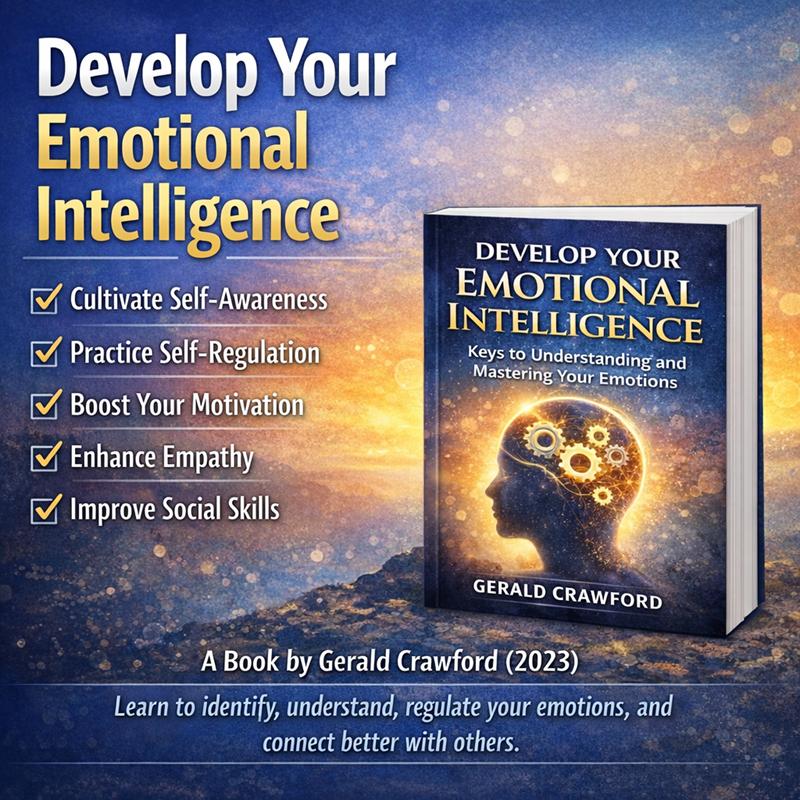
To develop Emotional Intelligence (EI), cultivate self-awareness by identifying and naming your emotions, self-regulation by managing those feelings, motivation by setting goals, empathy by understanding others' perspectives, and improving social skills through active listening and clear communication.

Category: Healing from Emotional Wounds (Page 1 of 2)

Healing from Emotional Wounds that show up as Headaches

Healing from emotional wounds that manifest as headaches can be a challenging and complex process. Headaches can be a symptom of underlying emotional wounds, such as stress, anxiety, or trauma, and it’s essential to address these wounds to promote healing and reduce headache frequency and severity.

Some common signs that emotional wounds may be contributing to headaches include:

1. Tension headaches: Feeling a band-like pressure around the head, often accompanied by muscle tension in the neck and shoulders.

2. Migraines: Experiencing severe, throbbing headaches, often accompanied by sensitivity to light and sound, nausea, and vomiting.

3. Cluster headaches: Suffering from intense, piercing headaches, often accompanied by eye pain and nasal congestion.

4. Headache triggers: Noticing that headaches are triggered by specific emotional events, such as stress, anxiety, or conflict.

5. Emotional pain: Feeling a deep sense of emotional pain, sadness, or frustration, which can be contributing to headache development.

To heal from emotional wounds that manifest as headaches, consider the following steps:

1. Keep a headache journal: Track when headaches occur, what triggers them, and how long they last to identify patterns and potential emotional contributors.

2. Practice relaxation techniques: Engage in relaxation techniques, such as deep breathing, progressive muscle relaxation, or meditation, to help reduce stress and anxiety.

3. Address underlying emotional issues: Work with a therapist or counselor to address underlying emotional wounds, such as trauma, anxiety, or depression, that may be contributing to headaches.

4. Improve sleep habits: Establish a consistent sleep schedule, avoid caffeine and electronics before bedtime, and create a relaxing sleep environment to help reduce headache frequency.

5. Engage in physical activity: Regular physical activity, such as yoga, walking, or swimming, can help reduce stress and anxiety, and improve overall well-being.

6. Consider mindfulness and self-compassion: Practice mindfulness and self-compassion techniques, such as loving-kindness meditation or self-compassion exercises, to help cultivate a sense of calm and relaxation.

7. Limit exposure to triggers: Identify and avoid triggers, such as certain foods, smells, or sounds, that may contribute to headaches.

8. Seek professional help: If headaches persist or worsen, consult with a healthcare professional or a specialist, such as a neurologist or a pain management specialist, to rule out underlying medical conditions and develop a personalized treatment plan.

9. Try alternative therapies: Consider alternative therapies, such as acupuncture, massage, or chiropractic care, to help manage headache symptoms and promote relaxation.

10. Be patient and persistent: Healing from emotional wounds and headaches takes time, effort, and patience. Be gentle with yourself, and remember that progress may be slow, but it’s possible.

Additional resources that may be helpful in healing from emotional wounds that show up as headaches include:

Books: “The Headache Book” by Arnold P. Friedman, “The Migraine Brain” by Carolyn Bernstein, and “Healing Headaches” by David Buchholz

Online courses: Courses on stress management, relaxation, and mindfulness on platforms like Coursera, Udemy, or edX

Therapy: Consider working with a therapist who specializes in headache management, cognitive-behavioral therapy (CBT), or mindfulness-based stress reduction (MBSR)

What resonates with you the most, or what would you like to explore further?

Healing from Emotional Wounds that show up as Sleep Disturbances

Healing from emotional wounds that manifest as sleep disturbances can be a challenging and complex process. Sleep disturbances can be a symptom of underlying emotional wounds, such as anxiety, depression, or trauma, and it’s essential to address these wounds to promote healing and improve sleep quality.

Some common signs that emotional wounds may be contributing to sleep disturbances include:

1. Difficulty falling asleep: Struggling to fall asleep due to racing thoughts, anxiety, or stress.

2. Waking up during the night: Waking up in the middle of the night and having trouble falling back asleep, often due to emotional distress or rumination.

3. Sleeping too much: Sleeping excessively, often as a way to avoid emotional pain or stress.

4. Vivid dreams or nightmares: Experiencing vivid dreams or nightmares that may be related to unresolved emotional issues.

5. Fatigue and lethargy: Feeling tired, sluggish, and lacking energy during the day, which can be a consequence of poor sleep quality.

To heal from emotional wounds that manifest as sleep disturbances, consider the following steps:

1. Establish a consistent sleep routine: Develop a relaxing bedtime routine, and stick to a consistent sleep schedule to help regulate your body’s internal clock.

2. Practice relaxation techniques: Engage in relaxation techniques, such as deep breathing, progressive muscle relaxation, or meditation, to help calm your mind and body before sleep.

3. Address underlying emotional issues: Work with a therapist or counselor to address underlying emotional wounds, such as anxiety, depression, or trauma, that may be contributing to sleep disturbances.

4. Improve sleep environment: Create a sleep-conducive environment, such as keeping the bedroom cool, dark, and quiet, and investing in a comfortable mattress and pillows.

5. Limit exposure to screens before bed: Avoid screens, such as smartphones, tablets, or laptops, at least an hour before bedtime, as the blue light emitted can interfere with sleep.

6. Engage in physical activity: Regular physical activity can help improve sleep quality, but avoid vigorous exercise within a few hours of bedtime.

7. Try mindfulness and self-compassion: Practice mindfulness and self-compassion techniques, such as loving-kindness meditation or self-compassion exercises, to help cultivate a sense of calm and relaxation.

8. Consider journaling: Keep a journal to process your emotions and thoughts before bed, which can help clear your mind and promote relaxation.

9. Seek professional help: If sleep disturbances persist, consult with a healthcare professional or a sleep specialist to rule out underlying medical conditions and develop a personalized treatment plan.

10. Be patient and persistent: Healing from emotional wounds and sleep disturbances takes time, effort, and patience. Be gentle with yourself, and remember that progress may be slow, but it’s possible.

Additional resources that may be helpful in healing from emotional wounds that show up as sleep disturbances include:

Books: “The Sleep Revolution” by Arianna Huffington, “The Sleep Diet” by Michael J. Breus, and “Insomnia: A Comprehensive Guide to Its Development, Consequences, and Treatment” by Charles M. Morin

Online courses: Courses on sleep, relaxation, and mindfulness on platforms like Coursera, Udemy, or edX

Therapy: Consider working with a therapist who specializes in sleep disorders, cognitive-behavioral therapy (CBT), or mindfulness-based stress reduction (MBSR)

What resonates with you the most, or what would you like to explore further?

Healing from Emotional Wounds that show up as Anxiety

Healing from emotional wounds that manifest as negative emotions like anger can be a challenging and complex process. Anger can be a symptom of underlying emotional wounds, such as trauma, injustice, or feelings of powerlessness, and it’s essential to address these wounds to promote healing and recovery.

Some common signs that emotional wounds may be contributing to anger include:

1. Intense emotional reactivity: Feeling intense anger or irritation in response to relatively minor stimuli, such as a perceived slight or a frustrating situation.

2. Difficulty managing emotions: Struggling to regulate or manage anger, leading to outbursts or explosive behavior.

3. Physical symptoms: Experiencing physical symptoms like tension, headaches, or digestive issues, which can be related to chronic anger or stress.

4. Damaged relationships: Noticing that anger is affecting relationships with others, such as partners, friends, or family members, and leading to conflict or estrangement.

5. Self-destructive behaviors: Engaging in self-destructive behaviors, such as substance abuse or self-sabotage, as a way to cope with underlying emotional pain.

To heal from emotional wounds that manifest as anger, consider the following steps:

1. Identify the underlying cause: Reflect on the experiences or events that may have contributed to your anger, such as trauma, abuse, or neglect. Understanding the root cause of your anger can help you address it more effectively.

2. Practice self-compassion: Treat yourself with kindness, understanding, and patience as you work through your emotional wounds. Acknowledge that your feelings are valid and that you deserve to heal.

3. Develop emotional awareness: Learn to recognize and identify your emotions, including anger, and develop strategies to manage and regulate them. This can include mindfulness practices, such as meditation or deep breathing.

4. Engage in physical release: Participate in physical activities that help release tension and anger, such as exercise, yoga, or sports.

5. Seek support: Build a support network of friends, family, or a therapist who can help you process and work through your emotions.

6. Practice forgiveness: Consider forgiveness as a process of releasing negative emotions and letting go of the past. This can be a challenging but ultimately liberating experience.

7. Learn healthy communication skills: Develop effective communication skills to express your needs and feelings in a clear and respectful manner, which can help reduce conflict and anger.

8. Cultivate gratitude: Focus on the positive aspects of your life and practice gratitude to help shift your perspective and reduce anger.

9. Develop a growth mindset: View challenges and setbacks as opportunities for growth and learning, rather than as threats to your well-being.

10. Be patient and persistent: Healing from emotional wounds and anger takes time, effort, and patience. Be gentle with yourself, and remember that progress may be slow, but it’s possible.

Additional resources:

* Books: “The Anger Control Workbook” by Ray DiGiuseppe and Raymond Chip Tafrate, “The Gift of Anger” by Marcia Narine, and “Healing Anger” by Harriet Lerner

* Online courses: Courses on anger management, emotional intelligence, and mindfulness on platforms like Coursera, Udemy, or edX

* Therapy: Consider working with a therapist who specializes in anger management, cognitive-behavioral therapy (CBT), or dialectical behavior therapy (DBT)

What resonates with you the most, or what would you like to explore further?

Remember, healing from emotional wounds and anger is a unique and individualized process. It’s essential to work with a mental health professional to develop a personalized treatment plan that addresses your specific needs and circumstances.

Healing from Emotional Wounds that show as Digestive Issues

Healing from emotional wounds that manifest as digestive issues can be a complex and multi-faceted process. Our digestive system is closely linked to our emotional state, and unresolved emotional wounds can lead to a range of digestive issues, including:

1. Irritable Bowel Syndrome (IBS): Characterized by recurring abdominal pain, bloating, and changes in bowel movements, IBS can be triggered by stress, anxiety, and emotional trauma.

2. Gastroesophageal Reflux Disease (GERD): Also known as acid reflux, GERD can be exacerbated by stress, emotional eating, and poor digestion.

3. Inflammatory Bowel Disease (IBD): Conditions like Crohn’s disease and ulcerative colitis can be influenced by emotional stress, anxiety, and unresolved trauma.

4. Food sensitivities and intolerances: Emotional distress can lead to increased inflammation, which can contribute to the development of food sensitivities and intolerances.

5. Slow digestion and constipation: Emotional blockages can cause a slowing down of the digestive process, leading to constipation, bloating, and discomfort.

To heal from emotional wounds that manifest as digestive issues, consider the following steps:

1. Address underlying emotional issues: Identify the emotional wounds or stressors that may be contributing to your digestive issues. Seek professional help, such as therapy or counseling, to work through these issues.

2. Practice stress-reducing techniques: Regularly engage in stress-reducing activities, such as meditation, yoga, or deep breathing exercises, to help manage emotional stress and anxiety.

3. Improve digestion: Focus on eating a balanced diet, rich in whole foods, fruits, and vegetables. Consider incorporating digestive enzymes, probiotics, or gut-friendly supplements to support gut health.

4. Identify and avoid triggers: Keep a food diary to track any foods that may trigger digestive issues. Avoid or limit trigger foods, and explore alternative options that support digestion.

5. Develop a mindful eating practice: Eat slowly, savor your food, and pay attention to your body’s hunger and fullness cues. This can help you develop a healthier relationship with food and reduce digestive stress.

6. Engage in regular exercise: Regular physical activity can help reduce stress, improve digestion, and support overall gut health.

7. Prioritize sleep: Aim for 7-8 hours of sleep per night to help regulate stress hormones, support digestion, and promote overall well-being.

8. Explore gut-directed hypnotherapy: This form of therapy can help you address emotional issues related to your digestive system and promote relaxation, reducing symptoms of IBS and other digestive disorders.

9. Consider supplementation: Certain supplements, such as probiotics, omega-3 fatty acids, or turmeric, may help support gut health and reduce inflammation.

10. Seek professional guidance: Consult with a healthcare professional, such as a gastroenterologist or a registered dietitian, to rule out underlying medical conditions and develop a personalized treatment plan.

Additional resources:

* Books: “The Gut Makeover” by Jeannette Hyde, “The Mind-Gut Connection” by Emeran Mayer, and “The Digestive Health Solution” by Ben Brown

* Online courses: Courses on gut health, digestion, and mindful eating on platforms like Coursera, Udemy, or edX

* Therapy: Consider working with a therapist who specializes in gut-directed hypnotherapy or somatic experiencing

What resonates with you the most, or what would you like to explore further?

Healing from Emotional Wounds that show you that you have a Difficulty Trusting Others

Healing from emotional wounds that have led to difficulties in trusting others can be a complex and sensitive process. When we’ve been hurt or betrayed by others in the past, it’s natural to develop defenses and walls to protect ourselves from further harm. However, these defenses can also prevent us from forming deep, meaningful connections with others and experiencing the benefits of trust and intimacy.

Some common signs that you may be struggling with trusting others include:

1. Hypervigilance: You’re always on the lookout for potential threats or signs of betrayal, making it difficult to relax and feel safe in relationships.

2. Emotional unavailability: You may struggle to open up and share your feelings with others, fearing that they’ll judge, reject, or hurt you.

3. People-pleasing: You may try to control or manipulate others to ensure they don’t hurt or abandon you, which can lead to resentment and burnout.

4. Difficulty with intimacy: You may struggle to form close, intimate relationships, fearing that others will see your vulnerability and exploit it.

5. Self-reliance: You may rely solely on yourself and avoid asking for help or support, even when you need it, to avoid feeling dependent or vulnerable.

To heal from emotional wounds that have led to difficulties in trusting others, consider the following steps:

1. Identify the source of the wound: Reflect on the experiences that have led to your trust issues. Was it a childhood trauma, a past relationship, or a series of betrayals? Understanding the root of the wound can help you address it more effectively.

2. Practice self-compassion: Treat yourself with kindness, understanding, and patience as you work through your trust issues. Acknowledge that your fears and doubts are valid, but also remind yourself that you deserve to experience trust and intimacy.

3. Develop self-awareness: Recognize when you’re slipping into patterns of mistrust or people-pleasing. Take a step back, and ask yourself if your reactions are based on the current situation or past experiences.

4. Build trust with yourself: Focus on building trust with yourself by keeping promises, being reliable, and following through on commitments. This can help you develop a sense of self-trust, which can translate to trusting others.

5. Start small: Begin by trusting others in small ways, such as sharing your thoughts or feelings with a friend or family member. Gradually increase the level of trust as you become more comfortable.

6. Seek out supportive relationships: Surround yourself with people who are supportive, empathetic, and reliable. This can help you feel safer and more trusting in relationships.

7. Practice mindfulness and presence: Focus on the present moment and the people in your life who are trustworthy. Mindfulness practices, such as meditation or deep breathing, can help you stay grounded and centered.

8. Forgive and let go: Forgiveness is a process, and it may take time. However, holding onto resentment and anger can prevent you from healing and moving forward. Consider seeking the help of a therapist or counselor to work through forgiveness and letting go.

9. Develop healthy communication skills: Learn effective communication skills, such as active listening, assertiveness, and boundary-setting. This can help you express your needs and feelings in a clear and respectful manner.

10. Celebrate progress: Acknowledge and celebrate your progress, no matter how small. Recognize that healing from emotional wounds and building trust takes time, effort, and patience.

Additional resources:

* Books: “The Body Keeps the Score” by Bessel van der Kolk, “Attached: The New Science of Adult Attachment and How It Can Help You Find—and Keep—Love” by Amir Levine and Rachel Heller, and “Daring Greatly: How the Courage to Be Vulnerable Transforms the Way We Live, Love, Parent, and Lead” by Brené Brown

* Online courses: Courses on attachment, relationships, and trust on platforms like Coursera, Udemy, or edX

* Therapy: Consider working with a therapist who specializes in trauma, relationships, or attachment issues

What resonates with you the most, Gerald, or what would you like to explore further?
« Older posts
Back a Buddy Show your Support