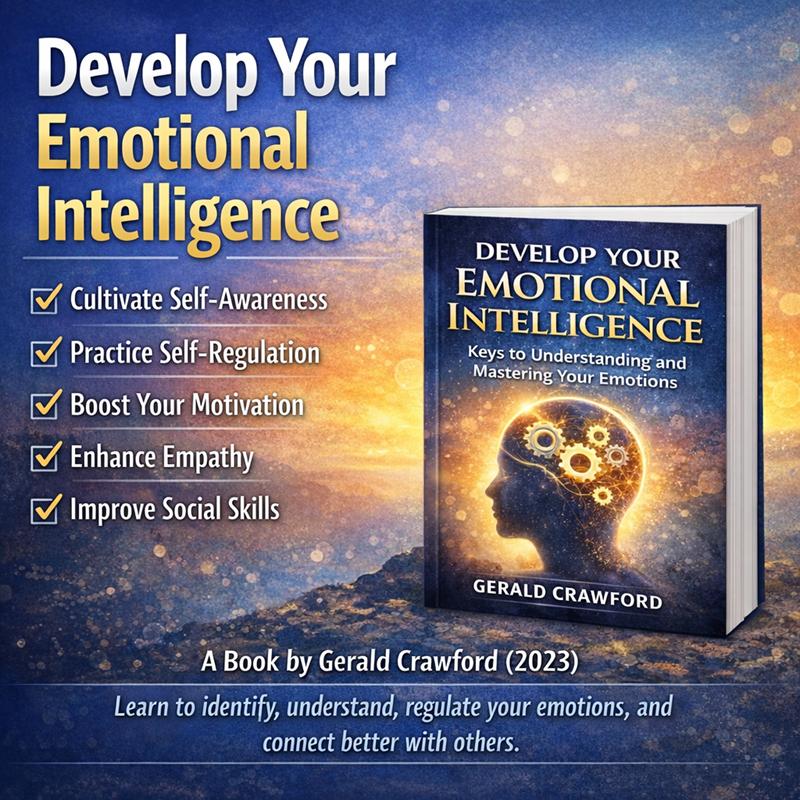
To develop Emotional Intelligence (EI), cultivate self-awareness by identifying and naming your emotions, self-regulation by managing those feelings, motivation by setting goals, empathy by understanding others' perspectives, and improving social skills through active listening and clear communication.

Category: Empathy and Compassion

Empathy and Compassion – Building compassion and understanding towards others

Building compassion and understanding towards others is essential for creating a more harmonious and supportive environment. Here’s an overview of how to build compassion and understanding:

Understanding Others:

1. Perspective-taking: Try to see things from another person’s perspective, and imagine how they might be feeling.

2. Active listening: Listen actively and attentively to others, focusing on their words, tone, and body language.

3. Empathy: Practice empathy by trying to understand and share the feelings of another person.

Building Compassion:

1. Self-reflection: Engage in self-reflection to understand your own emotions and behaviors.

2. Mindfulness: Practice mindfulness to increase awareness of your thoughts, feelings, and bodily sensations.

3. Kindness: Practice kindness and compassion towards yourself and others.

Benefits of Compassion:

1. Improved relationships: Compassion can help build stronger, more meaningful relationships.

2. Increased empathy: Compassion can increase empathy and understanding towards others.

3. Reduced stress and anxiety: Compassion can reduce stress and anxiety by promoting relaxation and calmness.

Challenges to Building Compassion:

1. Difficulty with emotional regulation: Emotional regulation can be challenging, especially for individuals with mental health conditions.

2. Limited access to resources: Access to resources, such as therapy or support groups, may be limited.

3. Individual differences: People may respond differently to compassion and empathy.

Strategies for Building Compassion:

1. Practice self-compassion: Treat yourself with kindness, understanding, and patience.

2. Engage in acts of kindness: Engage in acts of kindness and compassion towards others.

3. Develop a growth mindset: View challenges and setbacks as opportunities for growth and learning.

By building compassion and understanding towards others, individuals can create a more harmonious and supportive environment, improve relationships, and increase empathy.

Empathy and Compassion – Strategies for developing empathy: active listening, perspective-taking, and emotional validation

Empathy and compassion are essential components of healthy relationships. Here’s an overview of the importance of empathy and compassion in relationships:

Empathy:

1. Definition: Empathy is the ability to understand and share the feelings of another person.

2. Importance: Empathy is crucial in relationships, as it allows individuals to connect with each other on a deeper level.

Compassion:

1. Definition: Compassion is the ability to feel concern and kindness for another person’s suffering.

2. Importance: Compassion is essential in relationships, as it allows individuals to provide emotional support and care for each other.

Benefits of Empathy and Compassion:

1. Stronger relationships: Empathy and compassion can help build stronger, more meaningful relationships.

2. Improved communication: Empathy and compassion can improve communication, as individuals are more likely to listen actively and respond with understanding.

3. Increased trust: Empathy and compassion can increase trust, as individuals feel more secure and supported in their relationships.

Challenges to Empathy and Compassion:

1. Difficulty with emotional regulation: Emotional regulation can be challenging, especially for individuals with mental health conditions.

2. Limited access to resources: Access to resources, such as therapy or support groups, may be limited.

3. Individual differences: People may respond differently to empathy and compassion, and some may struggle to provide or receive empathy and compassion.

Strategies for Cultivating Empathy and Compassion:

1. Practice active listening: Listen actively and attentively to others, focusing on their words, tone, and body language.

2. Engage in perspective-taking: Try to see things from another person’s perspective, and imagine how they might be feeling.

3. Develop emotional awareness: Develop awareness of your own emotions and how they impact your behavior.

By cultivating empathy and compassion, individuals can build stronger, more meaningful relationships, improve communication, and increase trust.

Empathy and Compassion – The importance of empathy and compassion in relationships

Empathy and compassion are essential components of healthy relationships. Here’s an overview of the importance of empathy and compassion in relationships:

Empathy:

1. Definition: Empathy is the ability to understand and share the feelings of another person.

2. Importance: Empathy is crucial in relationships, as it allows individuals to connect with each other on a deeper level.

Compassion:

1. Definition: Compassion is the ability to feel concern and kindness for another person’s suffering.

2. Importance: Compassion is essential in relationships, as it allows individuals to provide emotional support and care for each other.

Benefits of Empathy and Compassion:

1. Stronger relationships: Empathy and compassion can help build stronger, more meaningful relationships.

2. Improved communication: Empathy and compassion can improve communication, as individuals are more likely to listen actively and respond with understanding.

3. Increased trust: Empathy and compassion can increase trust, as individuals feel more secure and supported in their relationships.

Challenges to Empathy and Compassion:

1. Difficulty with emotional regulation: Emotional regulation can be challenging, especially for individuals with mental health conditions.

2. Limited access to resources: Access to resources, such as therapy or support groups, may be limited.

3. Individual differences: People may respond differently to empathy and compassion, and some may struggle to provide or receive empathy and compassion.

Strategies for Cultivating Empathy and Compassion:

1. Practice active listening: Listen actively and attentively to others, focusing on their words, tone, and body language.

2. Engage in perspective-taking: Try to see things from another person’s perspective, and imagine how they might be feeling.

3. Develop emotional awareness: Develop awareness of your own emotions and how they impact your behavior.

By cultivating empathy and compassion, individuals can build stronger, more meaningful relationships, improve communication, and increase trust.

Back a Buddy Show your Support