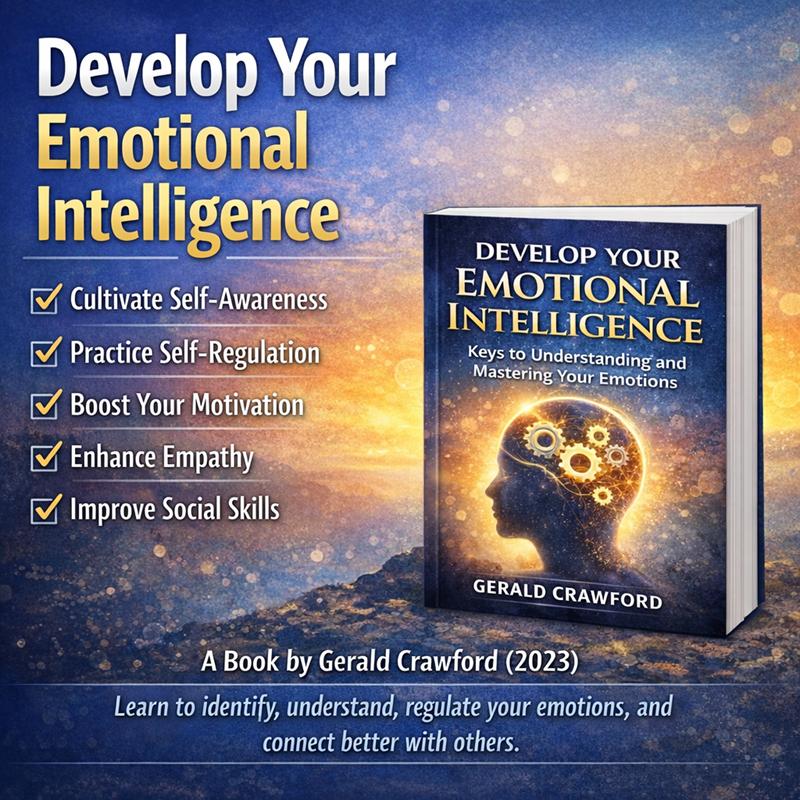
To develop Emotional Intelligence (EI), cultivate self-awareness by identifying and naming your emotions, self-regulation by managing those feelings, motivation by setting goals, empathy by understanding others' perspectives, and improving social skills through active listening and clear communication.

Category: Emotions (Page 4 of 5)

Impact of Emotions on Decision-Making – Emotional Experience

Emotional Experience: Emotions can influence our emotional experience, shaping our perceptions and judgments.

let’s explore the impact of emotions on decision-making, focusing on emotional experience. Emotional experience refers to the subjective, personal, and often intense feelings that arise from our interactions with the world around us.

Emotional Experience and Decision-Making

Emotional experience plays a significant role in decision-making, as it:

1. Influences Perception: Emotional experience shapes our perception of the world, influencing what we notice, how we interpret information, and what we remember.

2. Guides Attention: Emotional experience directs our attention towards certain stimuli, people, or situations, and away from others.

3. Drives Motivation: Emotional experience motivates us to pursue certain goals, desires, or interests, and to avoid others.

4. Evaluates Outcomes: Emotional experience helps us evaluate the outcomes of our decisions, influencing our satisfaction, regret, or relief.

Types of Emotional Experiences

1. Positive Emotional Experiences: Joy, happiness, excitement, or pride can enhance our decision-making, increasing our confidence, creativity, and motivation.

2. Negative Emotional Experiences: Fear, anxiety, anger, or sadness can impede our decision-making, leading to risk aversion, indecision, or poor judgment.

3. Mixed Emotional Experiences: Emotional experiences can be complex, involving multiple emotions, such as guilt, nostalgia, or bittersweet feelings, which can influence our decisions in nuanced ways.

Examples of Emotional Experience in Decision-Making

1. Purchasing a Product: A person’s emotional experience of excitement and anticipation when trying out a new product can influence their decision to buy it.

2. Relationship Choices: Emotional experiences of love, attachment, or insecurity can guide our decisions about romantic relationships, friendships, or family bonds.

3. Career Decisions: Emotional experiences of passion, fulfillment, or burnout can inform our decisions about career paths, job changes, or professional development.

Strategies for Leveraging Emotional Experience in Decision-Making

1. Emotional Awareness: Develop self-awareness of your emotional experiences, recognizing how they influence your thoughts, feelings, and actions.

2. Emotional Regulation: Learn to manage and regulate your emotional experiences, reducing the impact of negative emotions and amplifying the benefits of positive emotions.

3. Reflective Practice: Engage in reflective practices, such as journaling, meditation, or talking to a trusted friend, to process and learn from your emotional experiences.

4. Values-Based Decision-Making: Align your decisions with your core values, which can help you navigate complex emotional experiences and make more authentic choices.

5. Seeking Diverse Perspectives: Expose yourself to diverse perspectives, experiences, and cultures, which can broaden your emotional repertoire and inform your decision-making.

By acknowledging and working with your emotional experiences, you can make more informed, empathetic, and effective decisions.


Impact of Emotions on Decision-Making – Intuition

Intuition: Emotions can play a role in intuition, influencing our gut feelings and instincts.

let’s explore the impact of emotions on decision-making, focusing on intuition. Intuition plays a significant role in decision-making, as it allows us to make rapid, instinctive judgments based on patterns, experiences, and emotional cues.

What is Intuition?

Intuition refers to the ability to acquire knowledge or insight without conscious reasoning or deliberate thought. It’s a rapid, instinctive process that taps into our emotions, experiences, and subconscious mind.

The Role of Emotions in Intuition

Emotions play a crucial role in intuition, as they:

1. Influence Pattern Recognition: Emotions help us recognize patterns and connections between events, people, or situations, which informs our intuitive judgments.

2. Provide Gut Feelings: Emotions can create gut feelings or hunches that guide our decisions, often before we’ve consciously evaluated the situation.

3. Enhance Creativity: Emotions can stimulate creative thinking, allowing us to generate novel solutions or approaches to problems.

4. Facilitate Emotional Processing: Intuition can help us process and regulate our emotions, allowing us to make more informed decisions that align with our values and goals.

Types of Intuition

1. Emotional Intuition: This type of intuition is driven by emotions and gut feelings, often guiding our decisions in personal or social situations.

2. Cognitive Intuition: This type of intuition is driven by patterns, habits, and mental shortcuts, often guiding our decisions in areas like finance or business.

3. Creative Intuition: This type of intuition is driven by imagination and inspiration, often guiding our decisions in areas like art or innovation.

Examples of Intuition in Decision-Making

1. Investing in a Company: An investor may have a gut feeling about a company’s potential, based on their emotional intuition, and decide to invest.

2. Hiring a Candidate: A hiring manager may use their emotional intuition to assess a candidate’s fit with the company culture and values.

3. Creative Problem-Solving: An individual may use their creative intuition to generate novel solutions to complex problems, often by thinking outside the box or exploring unconventional approaches.

Strategies for Developing Intuition

1. Practice Mindfulness: Cultivate mindfulness to increase your awareness of your thoughts, emotions, and bodily sensations, which can inform your intuitive judgments.

2. Develop Emotional Intelligence: Improve your emotional intelligence to better understand and regulate your emotions, which can enhance your intuitive decision-making.

3. Seek Out New Experiences: Engage in new experiences and challenges to broaden your knowledge, skills, and emotional repertoire, which can inform your intuitive judgments.

4. Trust Your Gut: Learn to trust your gut feelings and intuition, while also being open to rational evaluation and critique.

5. Reflect and Learn: Regularly reflect on your decisions and outcomes to learn from your experiences and refine your intuitive abilities.

By understanding the role of emotions in intuition, you can develop your intuitive abilities and make more informed, effective decisions.

Impact of Emotions on Decision-Making – Risk-Taking

Risk-Taking: Emotions can influence our willingness to take risks, leading to either more cautious or more reckless decisions.

let’s explore the impact of emotions on decision-making, focusing on risk-taking. Emotions play a significant role in shaping our attitudes towards risk and uncertainty, influencing the decisions we make in various aspects of life, from finance to relationships.

Emotions and Risk-Taking

1. Fear and Risk Aversion: Fear can lead to risk aversion, causing individuals to avoid potential losses or threats, even if it means forgoing potential gains.

2. Excitement and Risk Seeking: On the other hand, excitement and enthusiasm can lead to risk-seeking behavior, as individuals become more willing to take bold actions in pursuit of potential rewards.

3. Anxiety and Caution: Anxiety can lead to a cautious approach, with individuals erring on the side of caution to avoid potential losses or negative outcomes.

4. Confidence and Overconfidence: Confidence can be beneficial in decision-making, but overconfidence can lead to reckless risk-taking, as individuals overestimate their abilities and underestimate potential risks.

The Role of Emotions in Risk Assessment

Emotions can influence risk assessment in several ways:

1. Perceived Risk: Emotions can alter our perception of risk, with negative emotions (e.g., fear, anxiety) increasing perceived risk, and positive emotions (e.g., excitement, confidence) decreasing perceived risk.

2. Risk Tolerance: Emotions can also affect our risk tolerance, with some individuals becoming more risk-tolerant when experiencing positive emotions, and others becoming more risk-averse when experiencing negative emotions.

3. Decision-Making Style: Emotions can influence our decision-making style, with some individuals relying on intuitive, emotional decision-making, and others using more rational, analytical approaches.

Examples of Emotions and Risk-Taking

1. Investing in the Stock Market: An investor may be hesitant to invest in the stock market due to fear of potential losses, even if the potential rewards are high.

2. Starting a New Business: An entrepreneur may be enthusiastic about starting a new business, but overconfidence can lead to reckless risk-taking and neglect of potential pitfalls.

3. Skydiving or Adventure Sports: An individual may be excited to try skydiving or other adventure sports, but fear or anxiety can hold them back from taking the leap.

Strategies for Managing Emotions and Risk-Taking

1. Emotional Awareness: Recognize your emotions and how they influence your risk-taking behavior.

2. Risk Assessment Tools: Use objective risk assessment tools, such as decision trees or probability analysis, to evaluate potential risks and rewards.

3. Diversification: Diversify your investments or activities to minimize risk and maximize potential returns.

4. Decision-Making Frameworks: Use structured decision-making frameworks, such as cost-benefit analysis or break-even analysis, to evaluate potential risks and rewards.

5. Emotional Regulation: Develop strategies to manage your emotions, such as mindfulness or cognitive reappraisal, to reduce the impact of emotions on risk-taking decisions.

By understanding the impact of emotions on risk-taking, you can develop more effective strategies for managing risk and achieving your goals.

Impact of Emotions on Decision-Making – Emotional Biases

Emotional Biases: Emotions can lead to biases and heuristics, influencing our decision-making processes.

let’s dive into the impact of emotions on decision-making, focusing on emotional biases. Emotional biases refer to the systematic errors in thinking and decision-making that occur when emotions influence our judgment and choice. These biases can lead to suboptimal decisions, as they often prioritize emotional comfort or avoidance over objective evaluation.

Types of Emotional Biases

1. Confirmation Bias: The tendency to seek out information that confirms our existing emotional beliefs, while ignoring or downplaying contradictory evidence.

2. Anchoring Bias: The tendency to rely too heavily on the first piece of information we receive, even if it’s emotionally charged, and fail to adjust our decision accordingly.

3. Availability Heuristic: The tendency to overestimate the importance of vivid, emotionally charged events, and underestimate the importance of more mundane, yet potentially relevant, information.

4. Hindsight Bias: The tendency to believe, after an event has occurred, that we would have predicted it, even if we had no way of doing so, as a way of coping with emotional discomfort.

5. Loss Aversion: The tendency to fear losses more than we value gains, leading to risk-averse decision-making and a reluctance to take necessary risks.

6. Framing Effect: The tendency to be influenced by the way information is presented, with emotionally charged frames (e.g., “90% fat-free” vs. “10% fat”) affecting our decisions.

7. Emotional Contagion: The tendency to “catch” and mirror the emotions of others, leading to a convergence of emotional states and potentially biased decision-making.

Examples of Emotional Biases in Decision-Making

1. Investing in a company: An investor may be biased towards investing in a company with a charismatic CEO, due to the emotional appeal of the leader, rather than evaluating the company’s financials objectively.

2. Purchasing a product: A consumer may be swayed by a product’s emotional marketing campaign, rather than considering the product’s actual features and benefits.

3. Hiring decisions: A hiring manager may be biased towards hiring a candidate who shares similar interests or personality traits, due to the emotional connection, rather than evaluating the candidate’s qualifications and skills.

Mitigating Emotional Biases

1. Self-awareness: Recognize your emotional biases and take steps to manage them.

2. Diverse perspectives: Seek out diverse viewpoints and opinions to counterbalance your own emotional biases.

3. Data-driven decision-making: Rely on objective data and analysis, rather than emotional intuition, to inform your decisions.

4. Decision-making frameworks: Use structured decision-making frameworks, such as cost-benefit analysis or decision trees, to reduce the influence of emotional biases.

5. Emotional regulation: Develop strategies to manage your emotions, such as mindfulness or cognitive reappraisal, to reduce the impact of emotional biases on your decision-making.

By acknowledging and addressing emotional biases, you can make more informed, objective decisions that align with your goals and values.

Impact of Emotions on Decision-Making – Emotions as Information

Emotions as Information: Emotions can serve as information, influencing our decisions and judgments.

The impact of emotions on decision-making is a complex and multifaceted topic. Emotions can significantly influence our decision-making processes, often in subtle yet powerful ways. One key concept in understanding this relationship is the idea that emotions can serve as a source of information.

Emotions as Information

The theory that emotions act as information suggests that emotional states provide valuable data about the environment, situations, and potential outcomes. This perspective, developed by researchers like Robert Zajonc and Joseph Forgas, posits that emotions can guide decision-making by:

1. Providing immediate feedback: Emotions can offer instantaneous feedback about a situation, helping individuals to quickly assess potential risks or benefits.

2. Influencing perception: Emotional states can shape how we perceive information, with positive emotions broadening our attention and negative emotions narrowing it.

3. Framing decisions: Emotions can frame decisions in a way that influences our choices, such as when fear leads to a focus on potential losses or when enthusiasm emphasizes potential gains.

Examples of Emotions as Information

1. Fear and risk assessment: When facing a potentially dangerous situation, fear can serve as a warning signal, prompting individuals to exercise caution and avoid potential threats.

2. Excitement and opportunity recognition: Feeling excited or enthusiastic about a prospect can indicate that it aligns with our goals or values, leading us to pursue it with greater vigor.

3. Disgust and moral judgment: Experiencing disgust in response to a situation can inform our moral judgments, helping us to recognize and avoid behaviors that violate our personal or societal norms.

Implications for Decision-Making

Recognizing emotions as a source of information can have significant implications for decision-making:

1. Acknowledging emotional influences: By acknowledging the role of emotions in decision-making, individuals can become more aware of their own emotional biases and take steps to mitigate their impact.

2. Using emotions as a diagnostic tool: Emotions can be used to diagnose potential issues or opportunities, allowing individuals to respond more effectively to changing situations.

3. Developing emotional intelligence: Cultivating emotional intelligence can help individuals better understand and manage their emotions, leading to more informed and effective decision-making.

Limitations and Future Directions

While the concept of emotions as information is valuable, it’s essential to recognize its limitations:

1. Emotional biases and heuristics: Emotions can also lead to biases and shortcuts in decision-making, which can result in suboptimal choices.

2. Contextual dependence: The influence of emotions on decision-making can vary depending on the context, highlighting the need for further research into the complex interplay between emotions, cognition, and environment.

By understanding emotions as a source of information, we can develop a more nuanced appreciation for the complex factors that influence our decision-making processes. This knowledge can, in turn, inform strategies for improving decision-making, such as acknowledging emotional biases, developing emotional intelligence, and cultivating a more mindful approach to choice and action.

« Older posts Newer posts »
Back a Buddy Show your Support