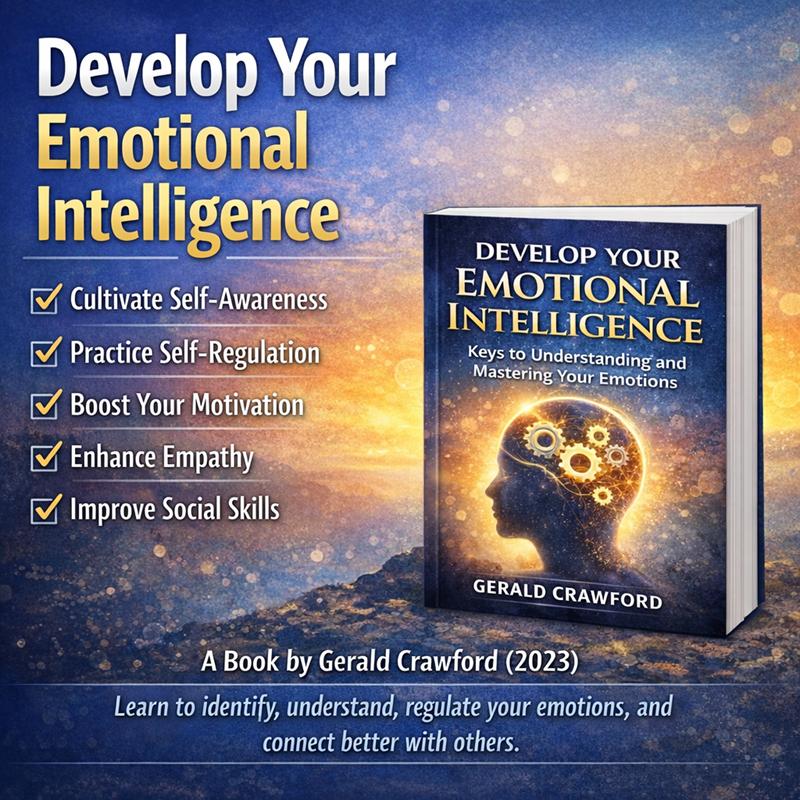
To develop Emotional Intelligence (EI), cultivate self-awareness by identifying and naming your emotions, self-regulation by managing those feelings, motivation by setting goals, empathy by understanding others' perspectives, and improving social skills through active listening and clear communication.

Category: Emotional Regulation

Emotional Regulation – Managing stress and anxiety

Emotional regulation is a crucial aspect of managing stress and anxiety. Here are some strategies for managing stress and anxiety:

Stress and Anxiety:

1. Definition: Stress and anxiety are normal emotional responses to perceived threats or challenges.

2. Impact: Chronic stress and anxiety can lead to physical and mental health problems.

Emotional Regulation Strategies:

1. Deep Breathing: Focus on slow, deep breaths to calm the body and mind.

2. Mindfulness: Practice present-moment awareness to reduce stress and anxiety.

3. Physical Activity: Engage in regular physical activity to reduce stress and anxiety.

4. Social Support: Seek support from friends, family, or a therapist.

Cognitive-Behavioral Therapy (CBT):

1. Identify Negative Thoughts: Recognize and challenge negative thoughts that contribute to stress and anxiety.

2. Reframe Negative Thoughts: Replace negative thoughts with more balanced, constructive ones.

3. Develop Coping Skills: Learn new coping skills and strategies to manage stress and anxiety.

Additional Strategies:

1. Relaxation Techniques: Practice relaxation techniques, such as progressive muscle relaxation or visualization.

2. Time Management: Improve time management skills to reduce stress and anxiety.

3. Self-Care: Prioritize self-care activities, such as getting enough sleep, eating a healthy diet, and engaging in enjoyable activities.

Benefits of Emotional Regulation:

1. Reduced Stress and Anxiety: Emotional regulation can help reduce stress and anxiety.

2. Improved Mental Health: Emotional regulation can improve mental health and well-being.

3. Enhanced Relationships: Emotional regulation can improve relationships with others.

Challenges and Limitations:

1. Difficulty with Self-Awareness: Developing self-awareness can be challenging.

2. Limited Access to Resources: Access to resources like therapy or social support may be limited.

3. Individual Differences: People may respond differently to emotional regulation strategies.

By incorporating these strategies into daily life, individuals can develop better emotional regulation skills, leading to improved mental health and well-being.

Emotional Regulation – Strategies for regulating emotions: deep breathing, mindfulness, and cognitive-behavioral therapy

Emotional regulation is a crucial aspect of emotional intelligence. Here are some strategies for regulating emotions:

Deep Breathing:

1. Diaphragmatic breathing: Focus on deep, slow breaths that engage your diaphragm.

2. Counting breaths: Count your breaths to help calm your mind and body.

3. Relaxation response: Trigger a relaxation response by focusing on your breath.

Mindfulness:

1. Present-moment awareness: Focus on the present moment, without judgment.

2. Non-judgmental acceptance: Accept your thoughts, feelings, and bodily sensations without judgment.

3. Mindful movement: Engage in physical activities like yoga or tai chi to cultivate mindfulness.

Cognitive-Behavioral Therapy (CBT):

1. Identify negative thoughts: Recognize and challenge negative thoughts that contribute to emotional distress.

2. Reframe negative thoughts: Replace negative thoughts with more balanced, constructive ones.

3. Develop coping skills: Learn new coping skills and strategies to manage emotions.

Additional Strategies:

1. Physical activity: Engage in regular physical activity to reduce stress and anxiety.

2. Social support: Seek support from friends, family, or a therapist.

3. Self-compassion: Practice self-compassion and treat yourself with kindness.

Benefits of Emotional Regulation:

1. Reduced stress and anxiety: Emotional regulation can help reduce stress and anxiety.

2. Improved mental health: Emotional regulation can improve mental health and well-being.

3. Enhanced relationships: Emotional regulation can improve relationships with others.

Challenges and Limitations:

1. Difficulty with self-awareness: Developing self-awareness can be challenging.

2. Limited access to resources: Access to resources like therapy or social support may be limited.

3. Individual differences: People may respond differently to emotional regulation strategies.

By incorporating these strategies into daily life, individuals can develop better emotional regulation skills, leading to improved mental health and well-being.

Back a Buddy Show your Support