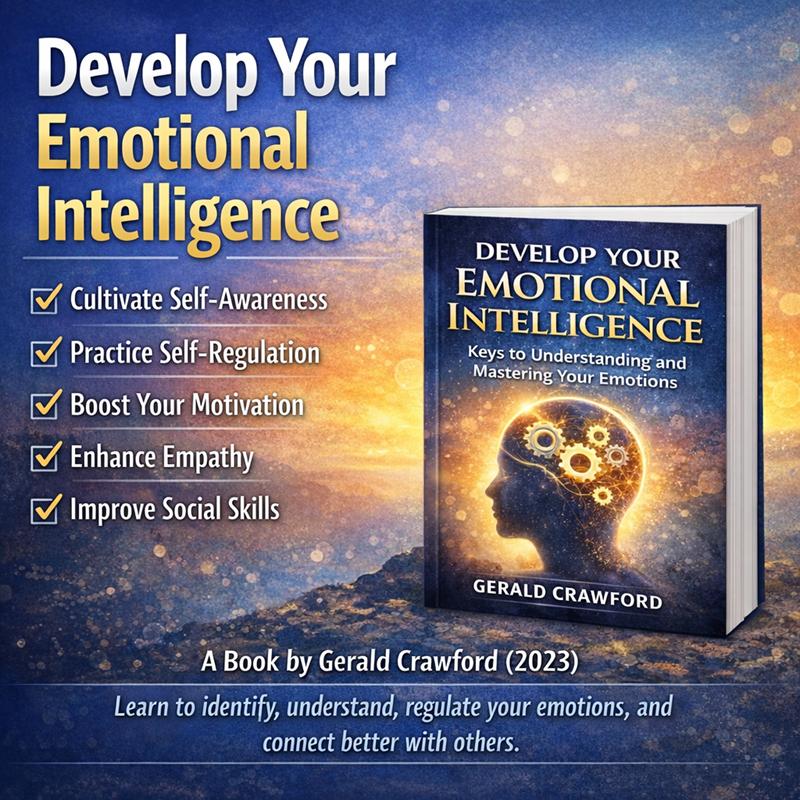
To develop Emotional Intelligence (EI), cultivate self-awareness by identifying and naming your emotions, self-regulation by managing those feelings, motivation by setting goals, empathy by understanding others' perspectives, and improving social skills through active listening and clear communication.

Category: Emotional Intelligence (Page 2 of 14)

Healing from Emotional Wounds that show up as Headaches

Healing from emotional wounds that manifest as headaches can be a challenging and complex process. Headaches can be a symptom of underlying emotional wounds, such as stress, anxiety, or trauma, and it’s essential to address these wounds to promote healing and reduce headache frequency and severity.

Some common signs that emotional wounds may be contributing to headaches include:

1. Tension headaches: Feeling a band-like pressure around the head, often accompanied by muscle tension in the neck and shoulders.

2. Migraines: Experiencing severe, throbbing headaches, often accompanied by sensitivity to light and sound, nausea, and vomiting.

3. Cluster headaches: Suffering from intense, piercing headaches, often accompanied by eye pain and nasal congestion.

4. Headache triggers: Noticing that headaches are triggered by specific emotional events, such as stress, anxiety, or conflict.

5. Emotional pain: Feeling a deep sense of emotional pain, sadness, or frustration, which can be contributing to headache development.

To heal from emotional wounds that manifest as headaches, consider the following steps:

1. Keep a headache journal: Track when headaches occur, what triggers them, and how long they last to identify patterns and potential emotional contributors.

2. Practice relaxation techniques: Engage in relaxation techniques, such as deep breathing, progressive muscle relaxation, or meditation, to help reduce stress and anxiety.

3. Address underlying emotional issues: Work with a therapist or counselor to address underlying emotional wounds, such as trauma, anxiety, or depression, that may be contributing to headaches.

4. Improve sleep habits: Establish a consistent sleep schedule, avoid caffeine and electronics before bedtime, and create a relaxing sleep environment to help reduce headache frequency.

5. Engage in physical activity: Regular physical activity, such as yoga, walking, or swimming, can help reduce stress and anxiety, and improve overall well-being.

6. Consider mindfulness and self-compassion: Practice mindfulness and self-compassion techniques, such as loving-kindness meditation or self-compassion exercises, to help cultivate a sense of calm and relaxation.

7. Limit exposure to triggers: Identify and avoid triggers, such as certain foods, smells, or sounds, that may contribute to headaches.

8. Seek professional help: If headaches persist or worsen, consult with a healthcare professional or a specialist, such as a neurologist or a pain management specialist, to rule out underlying medical conditions and develop a personalized treatment plan.

9. Try alternative therapies: Consider alternative therapies, such as acupuncture, massage, or chiropractic care, to help manage headache symptoms and promote relaxation.

10. Be patient and persistent: Healing from emotional wounds and headaches takes time, effort, and patience. Be gentle with yourself, and remember that progress may be slow, but it’s possible.

Additional resources that may be helpful in healing from emotional wounds that show up as headaches include:

Books: “The Headache Book” by Arnold P. Friedman, “The Migraine Brain” by Carolyn Bernstein, and “Healing Headaches” by David Buchholz

Online courses: Courses on stress management, relaxation, and mindfulness on platforms like Coursera, Udemy, or edX

Therapy: Consider working with a therapist who specializes in headache management, cognitive-behavioral therapy (CBT), or mindfulness-based stress reduction (MBSR)

What resonates with you the most, or what would you like to explore further?

Real-world examples of how Emotional Intelligence has improved lives

To help illustrate the practical applications and benefits of Emotional Intelligence (EI), let’s explore some real-world examples and case studies of how EI has improved people’s lives.

These examples are categorized into different aspects of EI, including self-awarenessself-regulationmotivationempathy, and social skills.

Real-World Examples of Emotional Intelligence in Action

The following examples demonstrate how EI can be applied in various contexts to achieve positive outcomes:

Self-Awareness

Steve Jobs: Co-founder of Apple, known for his intense passion and perfectionism. However, his lack of EI led to difficulties in managing his emotions and relationships. After a temporary departure from Apple, Jobs developed his EI through self-reflection and meditation, which helped him become a more effective and empathetic leader.

Self-Regulation

Richard Branson: Founder of Virgin Group, Branson credits his EI for his ability to manage stress and stay calm under pressure. He practices mindfulness and meditation to regulate his emotions and maintain a positive outlook.

Motivation

Arianna Huffington: Founder of The Huffington Post, Huffington emphasizes the importance of EI in her success. She prioritizes self-care, including sleep, exercise, and meditation, to maintain her motivation and focus.

Empathy

Satya Nadella: CEO of Microsoft, Nadella transformed the company’s culture by prioritizing empathy and collaboration. He encourages employees to share their perspectives and listens actively to their concerns, fostering a more positive and inclusive work environment.

Social Skills

Oprah Winfrey: Media executive and former talk show host, Winfrey credits her EI for her ability to connect with people from diverse backgrounds. She practices active listening and empathy to build strong relationships with her guests, audience, and colleagues.

Case Studies: Emotional Intelligence in Action

The following case studies provide more in-depth examples of how EI can be applied in different contexts:

Case Study 1: EI in Leadership – Satya Nadella (Microsoft)

Background: Nadella became CEO of Microsoft in 2014, tasked with transforming the company’s culture.

EI Application: Nadella prioritized empathy and active listening, encouraging employees to share their perspectives and concerns.

Outcome: Microsoft’s culture shifted towards a more collaborative and innovative environment, leading to increased employee engagement and improved business performance.

Case Study 2: EI in Conflict Resolution – A Manager’s Story

Background: A manager at a marketing firm struggled with conflict resolution, often escalating issues with team members.

EI Application: The manager practiced empathy, active listening, and self-regulation to better understand and manage their emotions.

Outcome: The manager became more effective in resolving conflicts, leading to improved team dynamics and increased productivity.

Case Study 3: EI in Personal Relationships – A Mother’s Story

Background: A mother struggled to connect with her teenage daughter, leading to frequent arguments and stress.

EI Application: The mother practiced empathy, active listening, and self-awareness to better understand her daughter’s perspective and emotions.

Outcome: The mother and daughter developed a stronger, more empathetic relationship, reducing conflict and improving communication.

Case Study 4: EI in Customer Service – A Company’s Story

Background: A company struggled with customer complaints and negative reviews.

EI Application: The company trained employees in EI, focusing on empathy, active listening, and self-regulation.

Outcome: Customer satisfaction improved significantly, with a reduction in complaints and an increase in positive reviews.

By examining these real-world examples and case studies, we can see how EI can be applied in various contexts to achieve positive outcomes. Developing EI can lead to improved relationships, increased productivity, and enhanced overall well-being.

Healing from Emotional Wounds that show up as Sleep Disturbances

Healing from emotional wounds that manifest as sleep disturbances can be a challenging and complex process. Sleep disturbances can be a symptom of underlying emotional wounds, such as anxiety, depression, or trauma, and it’s essential to address these wounds to promote healing and improve sleep quality.

Some common signs that emotional wounds may be contributing to sleep disturbances include:

1. Difficulty falling asleep: Struggling to fall asleep due to racing thoughts, anxiety, or stress.

2. Waking up during the night: Waking up in the middle of the night and having trouble falling back asleep, often due to emotional distress or rumination.

3. Sleeping too much: Sleeping excessively, often as a way to avoid emotional pain or stress.

4. Vivid dreams or nightmares: Experiencing vivid dreams or nightmares that may be related to unresolved emotional issues.

5. Fatigue and lethargy: Feeling tired, sluggish, and lacking energy during the day, which can be a consequence of poor sleep quality.

To heal from emotional wounds that manifest as sleep disturbances, consider the following steps:

1. Establish a consistent sleep routine: Develop a relaxing bedtime routine, and stick to a consistent sleep schedule to help regulate your body’s internal clock.

2. Practice relaxation techniques: Engage in relaxation techniques, such as deep breathing, progressive muscle relaxation, or meditation, to help calm your mind and body before sleep.

3. Address underlying emotional issues: Work with a therapist or counselor to address underlying emotional wounds, such as anxiety, depression, or trauma, that may be contributing to sleep disturbances.

4. Improve sleep environment: Create a sleep-conducive environment, such as keeping the bedroom cool, dark, and quiet, and investing in a comfortable mattress and pillows.

5. Limit exposure to screens before bed: Avoid screens, such as smartphones, tablets, or laptops, at least an hour before bedtime, as the blue light emitted can interfere with sleep.

6. Engage in physical activity: Regular physical activity can help improve sleep quality, but avoid vigorous exercise within a few hours of bedtime.

7. Try mindfulness and self-compassion: Practice mindfulness and self-compassion techniques, such as loving-kindness meditation or self-compassion exercises, to help cultivate a sense of calm and relaxation.

8. Consider journaling: Keep a journal to process your emotions and thoughts before bed, which can help clear your mind and promote relaxation.

9. Seek professional help: If sleep disturbances persist, consult with a healthcare professional or a sleep specialist to rule out underlying medical conditions and develop a personalized treatment plan.

10. Be patient and persistent: Healing from emotional wounds and sleep disturbances takes time, effort, and patience. Be gentle with yourself, and remember that progress may be slow, but it’s possible.

Additional resources that may be helpful in healing from emotional wounds that show up as sleep disturbances include:

Books: “The Sleep Revolution” by Arianna Huffington, “The Sleep Diet” by Michael J. Breus, and “Insomnia: A Comprehensive Guide to Its Development, Consequences, and Treatment” by Charles M. Morin

Online courses: Courses on sleep, relaxation, and mindfulness on platforms like Coursera, Udemy, or edX

Therapy: Consider working with a therapist who specializes in sleep disorders, cognitive-behavioral therapy (CBT), or mindfulness-based stress reduction (MBSR)

What resonates with you the most, or what would you like to explore further?

Healing from Emotional Wounds that show up as Anxiety

Healing from emotional wounds that manifest as negative emotions like anger can be a challenging and complex process. Anger can be a symptom of underlying emotional wounds, such as trauma, injustice, or feelings of powerlessness, and it’s essential to address these wounds to promote healing and recovery.

Some common signs that emotional wounds may be contributing to anger include:

1. Intense emotional reactivity: Feeling intense anger or irritation in response to relatively minor stimuli, such as a perceived slight or a frustrating situation.

2. Difficulty managing emotions: Struggling to regulate or manage anger, leading to outbursts or explosive behavior.

3. Physical symptoms: Experiencing physical symptoms like tension, headaches, or digestive issues, which can be related to chronic anger or stress.

4. Damaged relationships: Noticing that anger is affecting relationships with others, such as partners, friends, or family members, and leading to conflict or estrangement.

5. Self-destructive behaviors: Engaging in self-destructive behaviors, such as substance abuse or self-sabotage, as a way to cope with underlying emotional pain.

To heal from emotional wounds that manifest as anger, consider the following steps:

1. Identify the underlying cause: Reflect on the experiences or events that may have contributed to your anger, such as trauma, abuse, or neglect. Understanding the root cause of your anger can help you address it more effectively.

2. Practice self-compassion: Treat yourself with kindness, understanding, and patience as you work through your emotional wounds. Acknowledge that your feelings are valid and that you deserve to heal.

3. Develop emotional awareness: Learn to recognize and identify your emotions, including anger, and develop strategies to manage and regulate them. This can include mindfulness practices, such as meditation or deep breathing.

4. Engage in physical release: Participate in physical activities that help release tension and anger, such as exercise, yoga, or sports.

5. Seek support: Build a support network of friends, family, or a therapist who can help you process and work through your emotions.

6. Practice forgiveness: Consider forgiveness as a process of releasing negative emotions and letting go of the past. This can be a challenging but ultimately liberating experience.

7. Learn healthy communication skills: Develop effective communication skills to express your needs and feelings in a clear and respectful manner, which can help reduce conflict and anger.

8. Cultivate gratitude: Focus on the positive aspects of your life and practice gratitude to help shift your perspective and reduce anger.

9. Develop a growth mindset: View challenges and setbacks as opportunities for growth and learning, rather than as threats to your well-being.

10. Be patient and persistent: Healing from emotional wounds and anger takes time, effort, and patience. Be gentle with yourself, and remember that progress may be slow, but it’s possible.

Additional resources:

* Books: “The Anger Control Workbook” by Ray DiGiuseppe and Raymond Chip Tafrate, “The Gift of Anger” by Marcia Narine, and “Healing Anger” by Harriet Lerner

* Online courses: Courses on anger management, emotional intelligence, and mindfulness on platforms like Coursera, Udemy, or edX

* Therapy: Consider working with a therapist who specializes in anger management, cognitive-behavioral therapy (CBT), or dialectical behavior therapy (DBT)

What resonates with you the most, or what would you like to explore further?

Remember, healing from emotional wounds and anger is a unique and individualized process. It’s essential to work with a mental health professional to develop a personalized treatment plan that addresses your specific needs and circumstances.

Managing Your Emotions with Emotional Regulation

Emotional Regulation

Emotional regulation involves managing and regulating one’s own emotions and the emotions of others.

Emotional regulation is the process of managing and modifying your emotional responses to various situations. It involves being aware of your emotions, taking steps to manage them, and developing strategies to regulate your emotional experiences. Here are some key aspects of emotional regulation and how it can help you manage your emotions:

What is Emotional Regulation?

Emotional regulation is the ability to:

1. Recognize and accept your emotions: Acknowledge and accept your emotions, rather than trying to suppress or deny them.

2. Understand the causes of your emotions: Identify the triggers and causes of your emotions to better manage them.

3. Develop strategies to manage emotions: Use various techniques, such as deep breathing, mindfulness, or physical activity, to manage and regulate your emotions.

4. Modify emotional responses: Learn to modify your emotional responses to situations, rather than simply reacting impulsively.

Benefits of Emotional Regulation

1. Improved Mental Health: Emotional regulation can help reduce symptoms of anxiety, depression, and other mental health conditions.

2. Better Relationships: By managing your emotions, you can communicate more effectively, resolve conflicts, and build stronger relationships.

3. Increased Resilience: Emotional regulation helps you develop coping skills and resilience, enabling you to better handle stress and adversity.

4. Enhanced Performance: Emotional regulation can improve your focus, motivation, and overall performance in various areas of life, such as work or academics.

Techniques for Emotional Regulation

1. Mindfulness and Meditation: Practice mindfulness and meditation to increase awareness of your emotions and thoughts.

2. Deep Breathing: Use deep breathing exercises to calm your mind and body.

3. Physical Activity: Engage in regular physical activity to reduce stress and improve your mood.

4. Grounding Techniques: Use grounding techniques, such as focusing on your five senses, to bring yourself back to the present moment.

5. Cognitive Restructuring: Challenge negative thoughts and reframe them in a more positive, realistic light.

Strategies for Emotional Regulation in Daily Life

1. Self-Monitoring: Regularly monitor your emotions and thoughts to identify patterns and areas for improvement.

2. Emotional Labeling: Label and acknowledge your emotions to process and manage them.

3. Self-Soothing: Use self-soothing techniques, such as progressive muscle relaxation or visualization, to calm yourself.

4. Seek Social Support: Surround yourself with supportive people who can help you regulate your emotions.

5. Practice Self-Care: Engage in activities that bring you joy and help you relax, such as reading, listening to music, or spending time in nature.

Tips for Effective Emotional Regulation

1. Start small: Begin with small, manageable steps, such as taking a few deep breaths or practicing mindfulness for a few minutes a day.

2. Be patient: Emotional regulation is a skill that takes time and practice to develop.

3. Seek professional help: If you’re struggling with intense or overwhelming emotions, consider seeking help from a mental health professional.

4. Practice consistently: Make emotional regulation a regular part of your daily routine, just like brushing your teeth or taking a shower.

By practicing emotional regulation, you can better manage your emotions, improve your relationships, and enhance your overall well-being. Remember to be patient, start small, and seek help when needed to develop effective emotional regulation skills.

« Older posts Newer posts »
Back a Buddy Show your Support