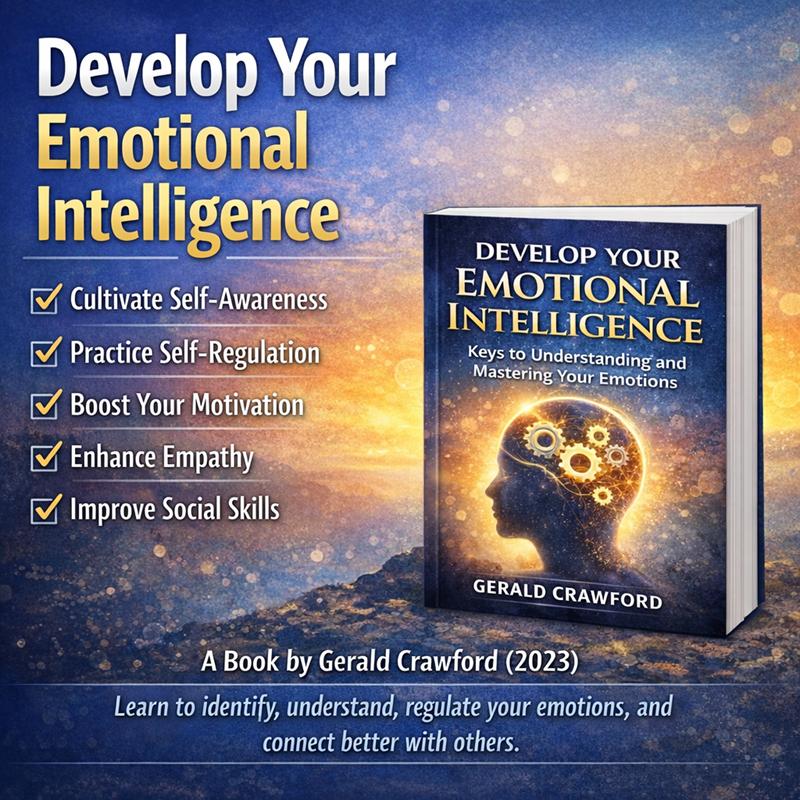
To develop Emotional Intelligence (EI), cultivate self-awareness by identifying and naming your emotions, self-regulation by managing those feelings, motivation by setting goals, empathy by understanding others' perspectives, and improving social skills through active listening and clear communication.

Category: Emotional Intelligence Assessment (Page 2 of 2)

Emotional Intelligence Assessment – Assessment Methods

There are several methods used to assess Emotional Intelligence (EI), each with its own strengths and limitations.

Here are some common EI assessment methods:

1. Self-Report Questionnaires:

* These are the most common type of EI assessment, where individuals complete a questionnaire that asks them to rate their own emotional abilities.

* Examples include the Mayer-Salovey-Caruso Emotional Intelligence Test (MSCEIT) and the Bar-On Emotional Quotient Inventory (EQ-i).

* Advantages: easy to administer, cost-effective, and can be completed quickly.

* Disadvantages: may be subject to biases, and individuals may not always be aware of their own emotional abilities.

2. Multi-Rater Assessments (360-Degree Feedback):

* This method involves gathering feedback from multiple sources, such as supervisors, peers, and subordinates.

* Examples include the Emotional Competence Inventory (ECI) and the Thomas-Kilmann Conflict Mode Instrument (TKI).

* Advantages: provides a more comprehensive view of an individual’s EI, as it takes into account the perspectives of multiple stakeholders.

* Disadvantages: can be time-consuming and expensive to administer, and may be subject to biases.

3. Performance-Based Assessments:

* These assessments involve completing tasks or exercises that require emotional intelligence, such as problem-solving or decision-making.

* Examples include the MSCEIT and the Situational Judgement Test (SJT).

* Advantages: provide a more objective measure of EI, as they assess actual behavior rather than self-reported abilities.

* Disadvantages: can be time-consuming and expensive to administer, and may not be comprehensive.

4. Behavioral Observations:

* This method involves observing an individual’s behavior in a natural or simulated setting, such as a work or social situation.

* Examples include the Assessment Center Method and the Behavioral Event Interview (BEI).

* Advantages: provide a more objective and comprehensive view of an individual’s EI, as it assesses actual behavior rather than self-reported abilities.

* Disadvantages: can be time-consuming and expensive to administer, and may require specialized training.

5. Neuropsychological Assessments:

* These assessments involve using neuroimaging techniques, such as functional magnetic resonance imaging (fMRI), to examine the neural basis of emotional intelligence.

* Examples include the Emotional Intelligence-Neural Basis (EI-NB) and the Emotional Processing Task (EPT).

* Advantages: provide a more objective and comprehensive view of an individual’s EI, as it assesses the neural mechanisms underlying emotional processing.

* Disadvantages: can be expensive and require specialized equipment and expertise.

6. Online EI Assessments:

* These assessments are typically web-based and can be completed online.

* Examples include the Emotional Intelligence Test (EIT) and the EI-Quiz.

* Advantages: convenient, cost-effective, and can be completed quickly.

* Disadvantages: may be subject to biases, and may not provide a comprehensive view of an individual’s EI.

Each assessment method has its own strengths and limitations, and the choice of method depends on the specific goals and context of the assessment. A combination of methods may provide a more comprehensive view of an individual’s emotional intelligence.

Best Practices for EI Assessment:

1. Use a combination of assessment methods to provide a comprehensive view of an individual’s EI.

2. Ensure that the assessment method is valid and reliable.

3. Use a standardized and normed assessment tool.

4. Consider the cultural and individual differences when interpreting the results.

5. Provide feedback and coaching to individuals to help them develop their EI.

Components of Emotional Intelligence

The Components of Emotional Intelligence are:

1. Self-Awareness: The ability to recognize and understand one’s own emotions, values, and motivations. This includes being able to identify one’s own emotional triggers, strengths, and weaknesses.

2. Self-Regulation: The ability to control and regulate one’s own emotions, impulses, and behaviors. This includes being able to manage stress, anxiety, and other negative emotions.

3. Motivation: The ability to use emotions to drive motivation and achieve goals. This includes being able to set and achieve goals, and to be self-motivated.

4. Empathy: The ability to recognize and understand emotions in others. This includes being able to put oneself in someone else’s shoes and understand their perspective.

5. Social Skills: The ability to effectively communicate and interact with others. This includes being able to build strong relationships, communicate effectively, and manage conflict.

These five components are often referred to as the “5 Core Competencies” of Emotional Intelligence, and were first identified by Peter Salovey and John D. Mayer in their 1990 paper “Emotional Intelligence”.

Detailed Breakdown of Each Component:

1. Self-Awareness:

* Recognizing one’s own emotions and how they impact behavior

* Understanding one’s values, strengths, and weaknesses

* Being able to identify emotional triggers and patterns

2. Self-Regulation:

* Controlling and regulating one’s own emotions and impulses

* Managing stress, anxiety, and other negative emotions

* Being able to delay gratification and prioritize long-term goals

3. Motivation:

* Using emotions to drive motivation and achieve goals

* Being self-motivated and able to set and achieve goals

* Being resilient and able to bounce back from setbacks

4. Empathy:

* Recognizing and understanding emotions in others

* Being able to put oneself in someone else’s shoes and understand their perspective

* Being able to communicate effectively and build strong relationships

5. Social Skills:

* Effectively communicating and interacting with others

* Building strong relationships and networking

* Managing conflict and negotiating effectively

Importance of Each Component:

Each of the 5 components of Emotional Intelligence is important in its own right, but they also interact and influence each other. For example, self-awareness is necessary for self-regulation, and empathy is necessary for effective social skills.

Relationship Between Components:

The components of Emotional Intelligence are interconnected and interdependent. For example:

* Self-awareness is necessary for self-regulation, as one must be aware of their own emotions and triggers in order to regulate them.

* Self-regulation is necessary for motivation, as one must be able to manage their own emotions and impulses in order to stay motivated.

* Empathy is necessary for social skills, as one must be able to understand and communicate effectively with others in order to build strong relationships.

I hope this helps to clarify the components of Emotional Intelligence! Let me know if you have any further questions.

Emotional Intelligence Assessment Tool

An emotional intelligence assessment is a tool used to evaluate an individual’s ability to recognize and understand emotions in themselves and others, and to use this awareness to guide thought and behaviour.

Here are some common components of an emotional intelligence assessment:

Components of Emotional Intelligence:

1. Self-Awareness: The ability to recognize and understand one’s own emotions and how they impact behavior.

2. Self-Regulation: The ability to control and regulate one’s own emotions and impulses.

3. Motivation: The ability to use emotions to drive motivation and achieve goals.

4. Empathy: The ability to recognize and understand emotions in others.

5. Social Skills: The ability to effectively communicate and interact with others.

Assessment Methods:

1. Surveys and Questionnaires: Standardized questionnaires that ask individuals to rate their own emotional intelligence or provide examples of how they handle emotional situations.

2. Behavioral Observations: Observing an individual’s behavior in social situations to assess their emotional intelligence.

3. Performance Reviews: Evaluating an individual’s performance in a work or academic setting to assess their emotional intelligence.

4. Psychological Tests: Standardized tests that measure emotional intelligence, such as the Mayer-Salovey-Caruso Emotional Intelligence Test (MSCEIT).

5. 360-Degree Feedback: Collecting feedback from multiple sources, including self, peers, and supervisors, to provide a comprehensive assessment of emotional intelligence.

Popular Emotional Intelligence Assessments:

1. Mayer-Salovey-Caruso Emotional Intelligence Test (MSCEIT): A standardized test that measures emotional intelligence through a series of questions and scenarios.

2. Bar-On Emotional Quotient Inventory (EQ-i): A self-report questionnaire that assesses emotional intelligence across five dimensions: self-awareness, self-regulation, motivation, empathy, and social skills.

3. Goleman’s Emotional Competence Inventory (ECI): A 360-degree feedback tool that assesses emotional intelligence across 12 competencies, including self-awareness, self-regulation, and social skills.

4. Thomas-Kilmann Conflict Mode Instrument (TKI): A survey that assesses an individual’s conflict resolution style and emotional intelligence.

Benefits of Emotional Intelligence Assessment:

1. Improved Self-Awareness: Individuals can gain a better understanding of their emotional strengths and weaknesses.

2. Enhanced Relationships: Emotional intelligence assessment can help individuals develop more effective communication and interpersonal skills.

3. Increased Job Performance: Emotional intelligence is linked to job performance, leadership effectiveness, and career advancement.

4. Better Decision-Making: Emotional intelligence can help individuals make more informed decisions by considering the emotional impact of their choices.

Limitations and Criticisms:

1. Cultural Bias: Emotional intelligence assessments may be culturally biased, as emotional expressions and norms vary across cultures.

2. Lack of Standardization: There is no widely accepted standard for emotional intelligence assessment, which can make it difficult to compare results across different tests and populations.

3. Limited Predictive Validity: Emotional intelligence assessments may not always predict real-world outcomes, such as job performance or relationship satisfaction.

I hope this information helps you understand emotional intelligence assessment! Do you have any specific questions or would you like more information on a particular aspect of emotional intelligence?

Newer posts »
Back a Buddy Show your Support