
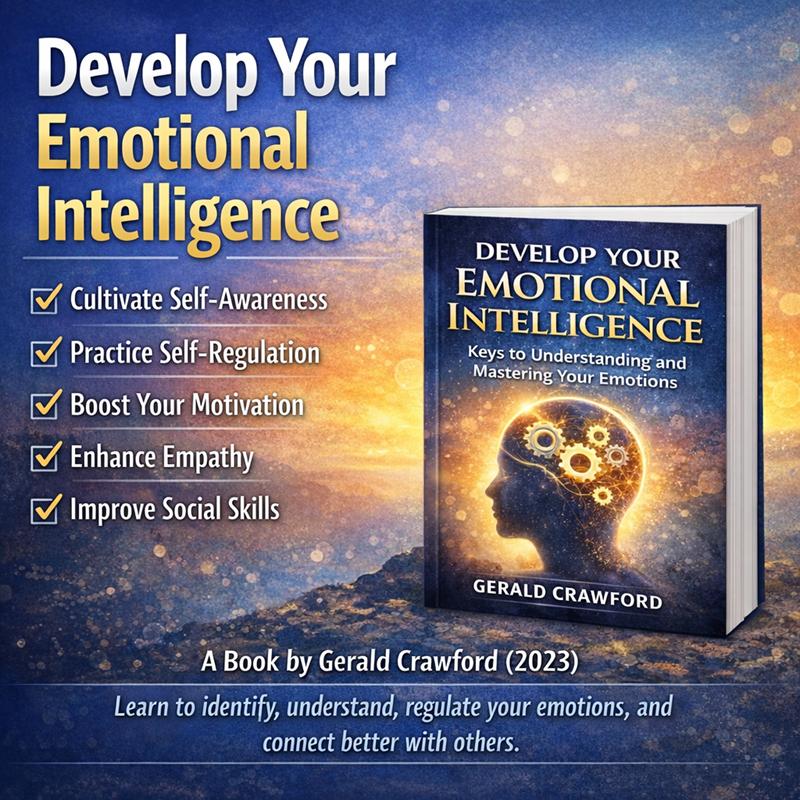
To develop Emotional Intelligence (EI), cultivate self-awareness by identifying and naming your emotions, self-regulation by managing those feelings, motivation by setting goals, empathy by understanding others' perspectives, and improving social skills through active listening and clear communication.

Category: Emotional Intelligence and Personal Growth

Emotional Intelligence and Personal Growth – Building a growth mindset through emotional intelligence

Emotional intelligence (EI) plays a crucial role in personal growth, as it enables individuals to understand and manage their own emotions, as well as the emotions of others. Here are some strategies for applying EI to personal growth:

Self-Awareness:

1. Reflect on your emotions: Take time to reflect on your emotions, values, and motivations.

2. Identify your strengths and weaknesses: Identify your strengths and weaknesses, and be honest with yourself about areas for improvement.

3. Practice mindfulness: Practice mindfulness and meditation to increase self-awareness.

Self-Regulation:

1. Develop emotional regulation strategies: Develop strategies to regulate your emotions, such as deep breathing, exercise, or meditation.

2. Practice self-compassion: Treat yourself with kindness, understanding, and patience.

3. Set boundaries: Set boundaries and prioritize your own needs.

Motivation:

1. Set goals and priorities: Set clear goals and priorities, and develop a plan to achieve them.

2. Find meaning and purpose: Find meaning and purpose in your life, and align your goals and actions with your values.

3. Celebrate successes: Celebrate your successes and accomplishments.

Benefits of Applying EI to Personal Growth:

1. Improved self-awareness: EI can help you develop a greater understanding of yourself and your emotions.

2. Increased self-regulation: EI can help you regulate your emotions and manage stress.

3. Greater motivation: EI can help you stay motivated and focused on your goals.

Challenges to Applying EI to Personal Growth:

1. Lack of self-awareness: It can be challenging to develop self-awareness and understand your own emotions.

2. Emotional regulation: It can be difficult to regulate your emotions and manage stress.

Strategies for Overcoming Challenges:

1. Seek feedback: Seek feedback from others to gain new insights and perspectives.

2. Practice mindfulness: Practice mindfulness and meditation to increase self-awareness and emotional regulation.

By applying EI to personal growth, individuals can develop greater self-awareness, self-regulation, and motivation, leading to a more fulfilling and successful life.

Emotional Intelligence and Personal Growth – Strategies for applying emotional intelligence to personal growth: self-awareness, self-regulation, and motivation

Emotional intelligence (EI) plays a crucial role in personal growth, as it enables individuals to understand and manage their own emotions, as well as the emotions of others. Here are some strategies for applying EI to personal growth:

Self-Awareness:

1. Reflect on your emotions: Take time to reflect on your emotions, values, and motivations.

2. Identify your strengths and weaknesses: Identify your strengths and weaknesses, and be honest with yourself about areas for improvement.

3. Practice mindfulness: Practice mindfulness and meditation to increase self-awareness.

Self-Regulation:

1. Develop emotional regulation strategies: Develop strategies to regulate your emotions, such as deep breathing, exercise, or meditation.

2. Practice self-compassion: Treat yourself with kindness, understanding, and patience.

3. Set boundaries: Set boundaries and prioritize your own needs.

Motivation:

1. Set goals and priorities: Set clear goals and priorities, and develop a plan to achieve them.

2. Find meaning and purpose: Find meaning and purpose in your life, and align your goals and actions with your values.

3. Celebrate successes: Celebrate your successes and accomplishments.

Benefits of Applying EI to Personal Growth:

1. Improved self-awareness: EI can help you develop a greater understanding of yourself and your emotions.

2. Increased self-regulation: EI can help you regulate your emotions and manage stress.

3. Greater motivation: EI can help you stay motivated and focused on your goals.

Challenges to Applying EI to Personal Growth:

1. Lack of self-awareness: It can be challenging to develop self-awareness and understand your own emotions.

2. Emotional regulation: It can be difficult to regulate your emotions and manage stress.

Strategies for Overcoming Challenges:

1. Seek feedback: Seek feedback from others to gain new insights and perspectives.

2. Practice mindfulness: Practice mindfulness and meditation to increase self-awareness and emotional regulation.

By applying EI to personal growth, individuals can develop greater self-awareness, self-regulation, and motivation, leading to a more fulfilling and successful life.

Emotional Intelligence and Personal Growth – The importance of emotional intelligence in personal growth

Emotional intelligence (EI) plays a crucial role in personal growth, as it enables individuals to understand and manage their own emotions, as well as the emotions of others. Here are some key aspects of EI in personal growth:

Why is EI Important in Personal Growth?

1. Self-awareness: EI helps individuals develop a greater understanding of their own emotions, values, and motivations.

2. Emotional regulation: EI enables individuals to regulate their emotions and manage stress.

3. Empathy: EI helps individuals understand and share the feelings of others.

Key Components of EI in Personal Growth:

1. Self-awareness: Developing self-awareness through introspection and reflection.

2. Emotional regulation: Learning to regulate emotions and manage stress.

3. Empathy: Developing empathy through active listening and understanding.

Benefits of EI in Personal Growth:

1. Improved relationships: EI can help individuals build stronger, more meaningful relationships.

2. Increased self-awareness: EI can help individuals develop a greater understanding of themselves and their emotions.

3. Better decision-making: EI can help individuals make more informed decisions.

Strategies for Developing EI in Personal Growth:

1. Practice self-reflection: Engage in self-reflection and introspection to develop self-awareness.

2. Seek feedback: Seek feedback from others to gain new insights and perspectives.

3. Practice empathy: Practice empathy by trying to understand and share the feelings of others.

Challenges to Developing EI in Personal Growth:

1. Lack of self-awareness: It can be challenging to develop self-awareness and understand your own emotions.

2. Limited access to resources: It can be difficult to access resources and support to develop EI.

Strategies for Overcoming Challenges:

1. Seek feedback: Seek feedback from others to gain new insights and perspectives.

2. Practice mindfulness: Practice mindfulness and meditation to increase self-awareness and emotional regulation.

By understanding the importance of EI in personal growth, individuals can take steps to develop their EI and improve their personal and professional relationships.

Back a Buddy Show your Support