1. Understanding Emotional Intelligence (EI)
An introduction to EI—what it is, why it matters, and how it influences behaviour, relationships, decision-making, and wellbeing.
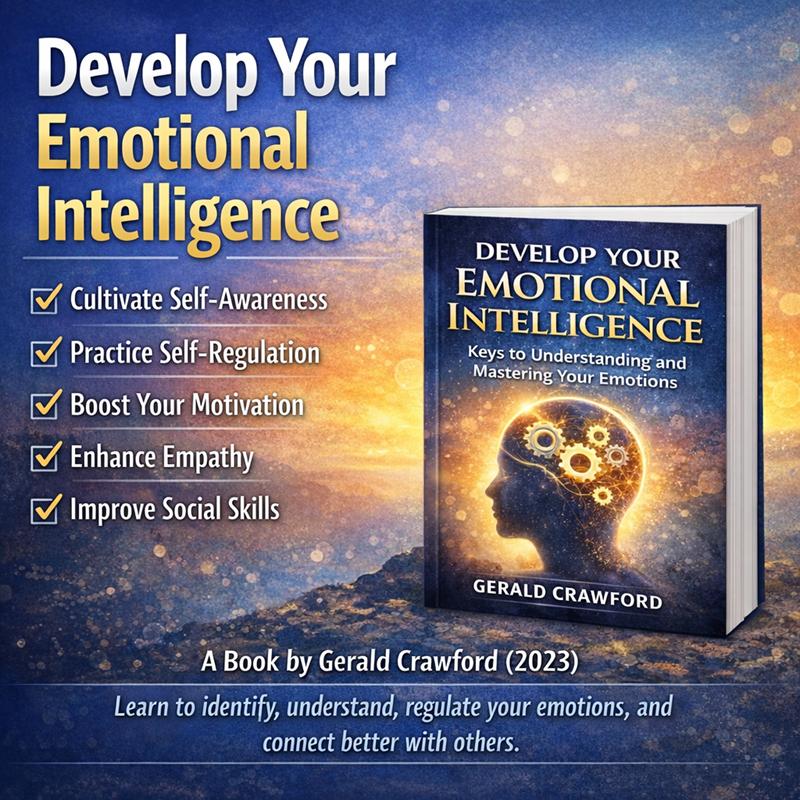
2. Self-Awareness
Learning to identify and name your emotions, understand where they come from, and notice how they shape your thoughts and actions. This foundational theme helps build emotional insight and personal growth.
3. Self-Regulation
Developing the skill to manage strong feelings and impulses, maintain emotional balance under stress, and respond thoughtfully rather than reactively.
4. Motivation
Using emotions to fuel purposeful goals, sustain personal drive, and cultivate optimism and resilience in the face of challenges.
5. Empathy
Understanding and appreciating the emotional experience of others—seeing the world from their perspective and enhancing compassion in relationships.
6. Social Skills
Improving interpersonal effectiveness through active listening, clear communication, conflict resolution, and building trust and connection with others.
7. Application of EI in Relationships
Exploring how emotional intelligence strengthens bonds, improves communication, and supports respectful and constructive interactions in personal and professional contexts.
8. Real-World Case Studies
Examples showing how EI principles play out in leadership, conflict resolution, team dynamics, and everyday life—illustrating practical outcomes of developing emotional intelligence.
9. Practical Strategies for Growth
Tools and exercises to practice EI every day—like active listening, reflective self-awareness, emotion regulation techniques, and empathy practices.




Recent Comments