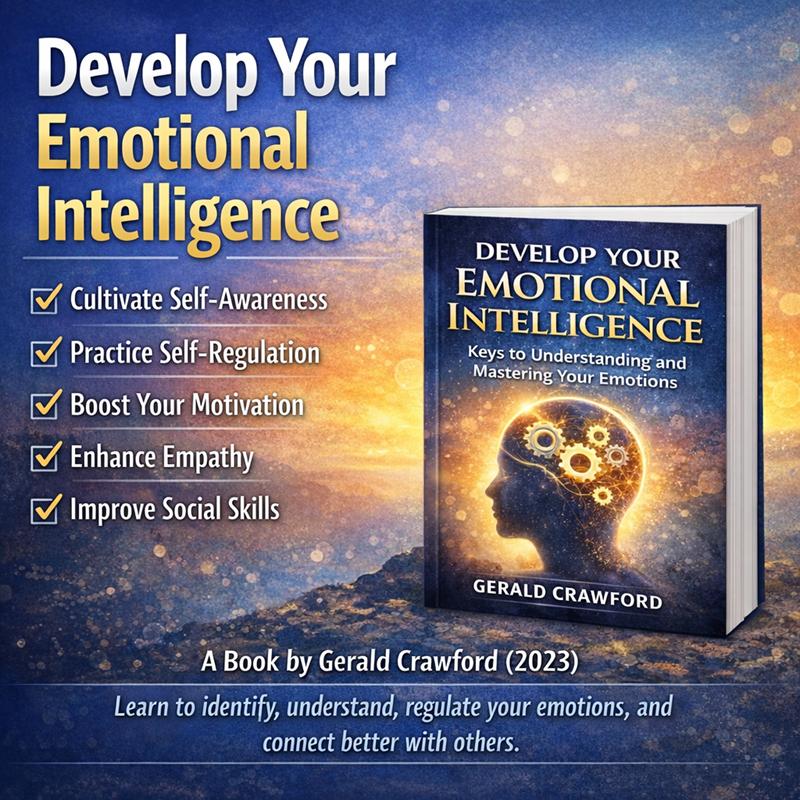
To develop Emotional Intelligence (EI), cultivate self-awareness by identifying and naming your emotions, self-regulation by managing those feelings, motivation by setting goals, empathy by understanding others' perspectives, and improving social skills through active listening and clear communication.

Category: Effective Communication

Effective Communication – Building strong relationships through effective communication

Building strong relationships through effective communication is crucial for personal and professional success. Here are some key strategies for effective communication:

Effective Communication Strategies:

1. Active listening: Pay attention to the other person, maintain eye contact, and ask open-ended questions to encourage conversation.

2. Clear and concise expression: Express yourself clearly and concisely, avoiding ambiguity and confusion.

3. Emotional intelligence: Be aware of your emotions and the emotions of others, and use this awareness to communicate effectively.

4. Assertiveness: Express your needs and wants clearly and respectfully, without being aggressive or passive.

Benefits of Effective Communication:

1. Stronger relationships: Effective communication can help build stronger, more meaningful relationships.

2. Improved collaboration: Effective communication can improve collaboration and teamwork.

3. Increased productivity: Effective communication can help you avoid misunderstandings and achieve your goals more efficiently.

Challenges to Effective Communication:

1. Emotional barriers: Emotions like anger, fear, or sadness can create barriers to effective communication.

2. Language barriers: Language differences can create challenges for effective communication.

3. Cultural differences: Cultural differences can impact communication styles and create challenges for effective communication.

Building Strong Relationships:

1. Establish trust: Establish trust by being reliable, honest, and transparent.

2. Show empathy and understanding: Show empathy and understanding by actively listening and acknowledging the other person’s feelings.

3. Be respectful: Treat others with respect and kindness, even in difficult or challenging situations.

By using these strategies and building strong relationships, you can improve your personal and professional life and achieve greater success and happiness.

Effective Communication – Strategies for effective communication: active listening, clear expression of emotions, and assertiveness

Effective communication is a crucial aspect of building strong relationships, resolving conflicts, and achieving personal and professional goals. Here are some key strategies for effective communication:

Active Listening:

1. Give the speaker your undivided attention: Make eye contact, put away distractions, and focus on the speaker.

2. Use verbal and nonverbal cues: Nod your head, use phrases like “uh-huh,” and ask open-ended questions to show you’re engaged.

3. Paraphrase and summarize: Repeat back what you’ve heard in your own words to ensure understanding and show you’re paying attention.

Clear Expression of Emotions:

1. Identify and label your emotions: Recognize how you’re feeling and use “I” statements to express your emotions, such as “I feel frustrated when…”

2. Be specific and descriptive: Instead of saying “you always,” say “I’ve noticed that…” to express your feelings and thoughts.

3. Use nonverbal communication: Use facial expressions, body language, and tone of voice to convey your emotions and engage with others.

Assertiveness:

1. Stand up for yourself: Express your needs and wants clearly and respectfully, without being aggressive or passive.

2. Use “I” statements: Instead of accusing or blaming others, use “I” statements to express your thoughts and feelings.

3. Set boundaries: Clearly communicate your limits and expectations to others, and be willing to say “no” when necessary.

Benefits of Effective Communication:

1. Improved relationships: Effective communication can help build stronger, more meaningful relationships.

2. Increased productivity: Clear communication can help you avoid misunderstandings and achieve your goals more efficiently.

3. Reduced stress and conflict: Effective communication can help you manage conflicts and reduce stress.

Challenges to Effective Communication:

1. Emotional barriers: Emotions like anger, fear, or sadness can create barriers to effective communication.

2. Language barriers: Language differences can create challenges for effective communication.

3. Cultural differences: Cultural differences can impact communication styles and create challenges for effective communication.

By practicing active listening, clear expression of emotions, and assertiveness, you can improve your communication skills and build stronger, more meaningful relationships.

Back a Buddy Show your Support