-
Fundamentals of Emotional Intelligence
– What EI is and why it matters in life and relationships.
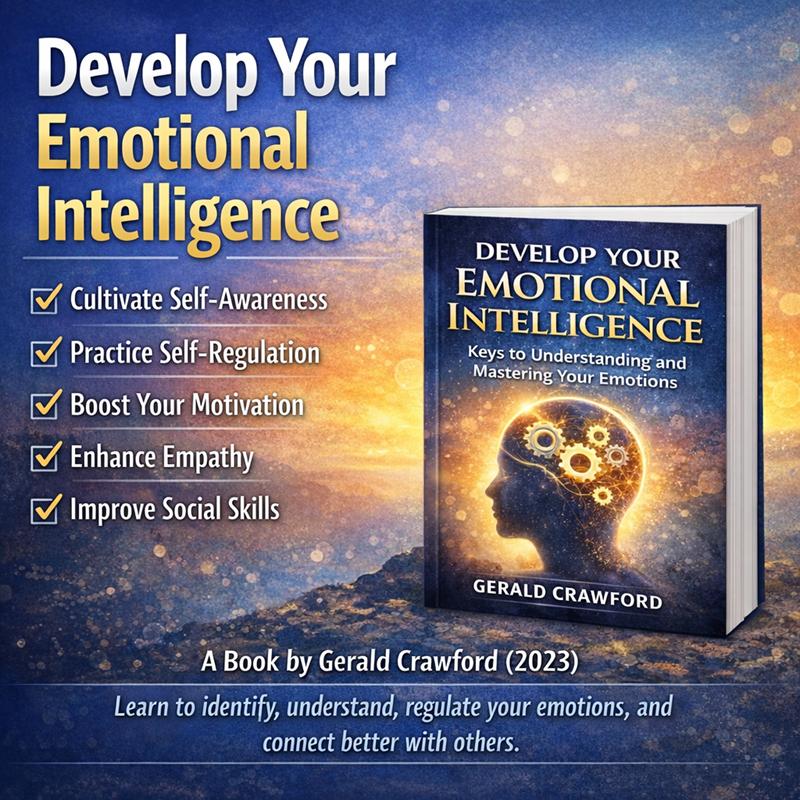
– The foundations: self-awareness, self-regulation, motivation, empathy, and social skills. -
Self-Awareness — Identifying & Naming Emotions
– Learning to recognize your emotional states.
– Understanding how emotions affect thoughts and behaviour. -
Self-Regulation — Managing Feelings & Impulses
– Techniques for regulating emotional reactions.
– Developing emotional balance and resilience. -
Motivation — Setting & Pursuing Goals Through Emotion
– How internal drivers shape action and achievement.
– Linking emotions to purposeful behaviour. -
Empathy — Understanding Others’ Perspectives
– Practicing empathy in day-to-day interactions.
– Awareness of other people’s emotional experience. -
Social Skills — Communicating Effectively
– Active listening, clear expression, and healthy social interaction.
– Practical skills for building rapport and managing conflict. -
Emotional Intelligence in Relationships
– Applying EI skills to strengthen personal and professional connections.
– Communication, conflict resolution, and trust building. -
Practical Case Studies & Real-World Examples
– How EI has been applied in leadership, parenting, customer service, and everyday life.
– Case examples showing EI’s benefits in behaviour and outcomes. -
Applications & Benefits of Emotional Intelligence
– How EI improves mental health, resilience, relationship quality, decision-making, and social connection.
Category: Core Topics Covered in the Book
Development your Emotional Intelligence Book by Gerald Crawford
Book Your Seat Now for our 2 Day Emotional Intelligence Development Program – 24 and 25/04/2026 – Monte Bello Estate, Bloemfontein

Click on the button below to make an appointment booking

Make A Donation and Support the Author

This Banner Space is for Rent with a Hyperlink!

Recent Comments