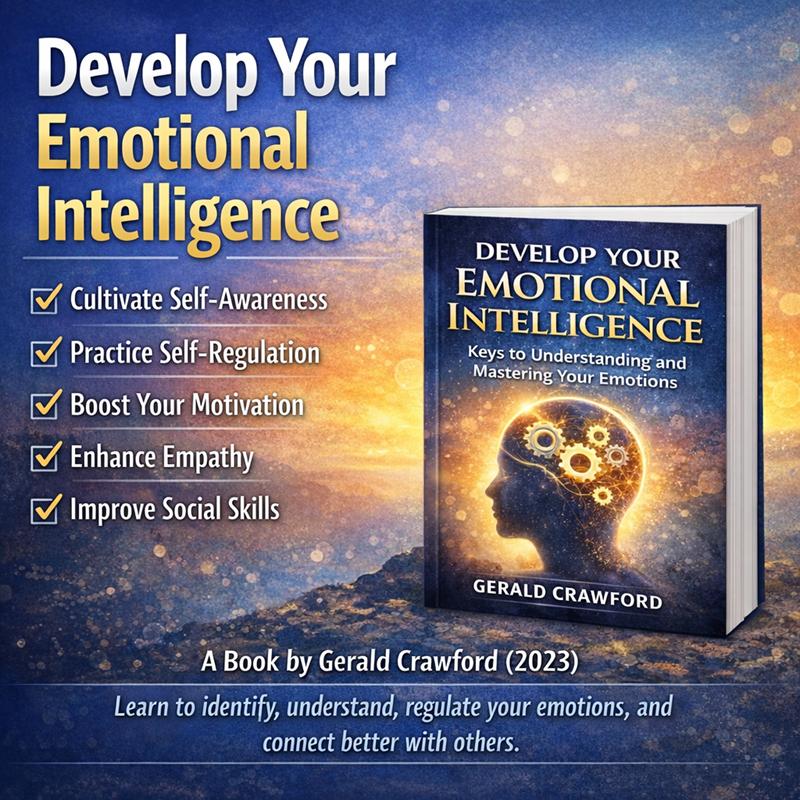
To develop Emotional Intelligence (EI), cultivate self-awareness by identifying and naming your emotions, self-regulation by managing those feelings, motivation by setting goals, empathy by understanding others' perspectives, and improving social skills through active listening and clear communication.

Category: Conflict Resolution

Conflict Resolution – Building strong relationships through conflict resolution

Building strong relationships through conflict resolution requires effective communication, empathy, and problem-solving skills. Here are some strategies for building strong relationships through conflict resolution:

Effective Communication:

1. Active listening: Listen carefully to the other person’s perspective and try to understand their point of view.

2. Clear expression: Express yourself clearly and assertively, without being aggressive or passive.

3. Empathy: Show empathy and understanding towards the other person’s feelings and perspective.

Empathy and Understanding:

1. Try to understand the other person’s perspective: Put yourself in the other person’s shoes and try to see things from their point of view.

2. Acknowledge their feelings: Acknowledge the other person’s feelings and show that you understand they’re upset.

3. Show compassion: Show compassion and understanding towards the other person.

Problem-Solving:

1. Identify the problem: Clearly identify the problem and define it in a way that both parties can understand.

2. Brainstorm solutions: Brainstorm potential solutions and evaluate their pros and cons.

3. Choose a solution: Choose a solution that works for both parties and implement it.

Benefits of Conflict Resolution:

1. Improved relationships: Conflict resolution can help improve relationships and build trust.

2. Increased understanding: Conflict resolution can help increase understanding and empathy between parties.

3. Reduced stress: Conflict resolution can help reduce stress and anxiety.

Challenges to Conflict Resolution:

1. Emotional barriers: Emotions like anger, fear, or sadness can create barriers to conflict resolution.

2. Communication barriers: Communication barriers, such as language or cultural differences, can create challenges for conflict resolution.

3. Power imbalances: Power imbalances, such as differences in authority or status, can create challenges for conflict resolution.

By using these strategies, individuals can effectively resolve conflicts and build strong, healthy relationships.

Conflict Resolution – Strategies for resolving conflicts: active listening, empathy, and problem-solving

Resolving conflicts requires effective communication, active listening, empathy, and problem-solving skills. Here are some strategies for resolving conflicts:

Active Listening:

1. Give the speaker your undivided attention: Make eye contact, put away distractions, and focus on the speaker.

2. Use verbal and nonverbal cues: Nod your head, use phrases like “uh-huh,” and ask open-ended questions to show you’re engaged.

3. Paraphrase and summarize: Repeat back what you’ve heard in your own words to ensure understanding and show you’re paying attention.

Empathy:

1. Try to understand the other person’s perspective: Put yourself in the other person’s shoes and try to see things from their point of view.

2. Acknowledge their feelings: Acknowledge the other person’s feelings and show that you understand they’re upset.

3. Show compassion: Show compassion and understanding towards the other person.

Problem-Solving:

1. Identify the problem: Clearly identify the problem and define it in a way that both parties can understand.

2. Brainstorm solutions: Brainstorm potential solutions and evaluate their pros and cons.

3. Choose a solution: Choose a solution that works for both parties and implement it.

Benefits of Conflict Resolution:

1. Improved relationships: Conflict resolution can help improve relationships and build trust.

2. Increased understanding: Conflict resolution can help increase understanding and empathy between parties.

3. Reduced stress: Conflict resolution can help reduce stress and anxiety.

Challenges to Conflict Resolution:

1. Emotional barriers: Emotions like anger, fear, or sadness can create barriers to conflict resolution.

2. Communication barriers: Communication barriers, such as language or cultural differences, can create challenges for conflict resolution.

3. Power imbalances: Power imbalances, such as differences in authority or status, can create challenges for conflict resolution.

By using these strategies, individuals can effectively resolve conflicts and improve their relationships.

Back a Buddy Show your Support