
Q: Do you experience burnout? What exactly is burnout?
A: Burnout is a state of emotional, mental, and physical exhaustion caused by prolonged stress, overwhelming responsibilities, or feeling out of control in your environment.
Common signs include:
- Feeling drained even after rest
- Irritability or emotional numbness
- Reduced motivation or productivity
- Difficulty concentrating
- Feeling detached from work or people
- Sleep problems
- Increased frustration or cynicism
If you recognize several of these signs, you may be experiencing burnout or moving toward it.
Q: How can Emotional Intelligence help me address burnout?
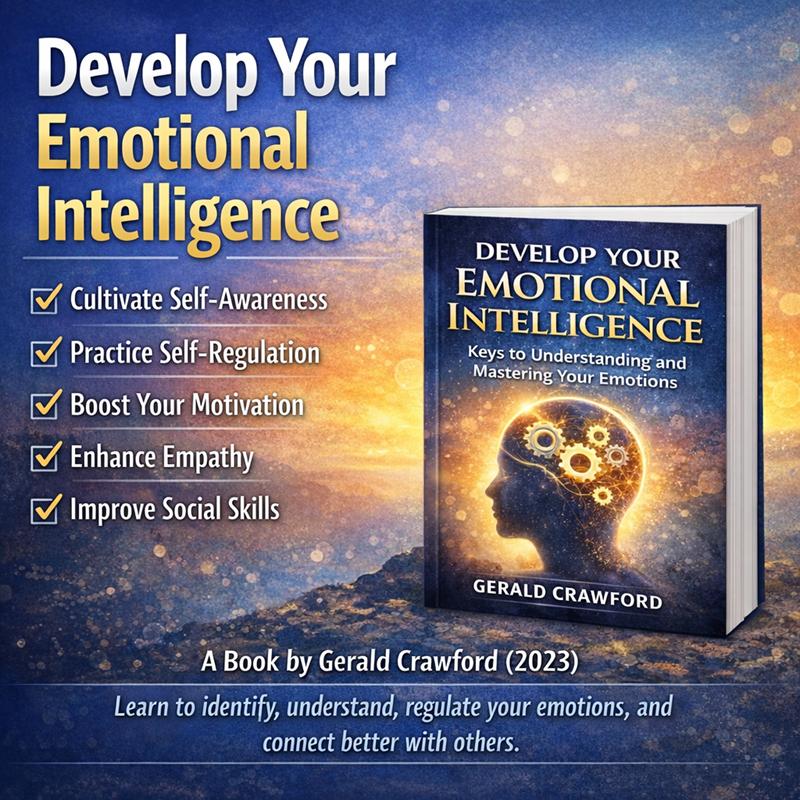
Emotional Intelligence (EI) is your ability to understand, manage, and use your emotions effectively. Strengthening EI helps reduce burnout because it improves self-awareness, emotional regulation, resilience, and communication.
Below are the four main EI components and how each helps reduce burnout:
1. Self-Awareness
This is your ability to notice and understand your emotions.
How it helps burnout:
- You catch early signs of stress before they escalate.
- You understand your triggers and personal limits.
- You can distinguish between temporary stress and chronic burnout.
Practical actions:
- Keep a brief “emotional log” each day.
- Pay attention to patterns: When do you feel most drained or energized?
- Pause throughout the day and ask, “What am I feeling right now and why?”
2. Self-Management
This is your ability to regulate your emotions and stay composed under pressure.
How it helps burnout:
- Prevents overwhelming emotions from controlling your behavior.
- Helps you create boundaries so stress doesn’t pile up.
- Reduces impulsive reactions and improves calm decision-making.
Practical actions:
- Use breathing techniques when stressed (box breathing, 4-4-4-4).
- Set limits: say no when necessary, or delegate tasks.
- Build recovery rituals (mini breaks, walks, mental resets).
3. Social Awareness (Empathy)
This is your ability to understand others’ emotions.
How it helps burnout:
- Reduces social tension and misunderstandings that drain energy.
- Improves collaboration and emotional support from others.
- Helps you feel more connected instead of isolated.
Practical actions:
- Practice active listening without interrupting.
- Try to identify what others may be feeling in conversations.
- Notice non-verbal cues: tone, facial expressions, posture.
4. Relationship Management
This is your ability to build healthy, supportive interactions.
How it helps burnout:
- Strong relationships create emotional safety and reduce stress.
- You’re better able to ask for help or communicate needs.
- Healthy communication prevents conflict and reduces mental strain.
Practical actions:
- Express concerns respectfully instead of bottling feelings up.
- Build a small support network at work or home.
- Practice constructive communication (using “I feel…” statements).
Q: What practical EI habits can I start today to reduce burnout?
Here are simple habits that make an immediate difference:
Daily EI Habits
- The 2-minute check-in: “What am I feeling? What do I need?”
- Set small boundaries: e.g., no emails during lunch.
- Practice emotional labeling: saying “I feel overwhelmed” reduces emotional overload.
- Micro-recovery breaks every 90 minutes.
- Gratitude journaling (three daily positives).
Weekly EI Habits
- Reflect on your stressors and identify what you can change.
- Have one uplifting conversation with someone you trust.
- Plan activities that give you energy, not just obligations.
Q: What’s the outcome of building EI when dealing with burnout?
Developing Emotional Intelligence helps you:
- Recognize burnout early
- Reduce stress more effectively
- Improve resilience and adaptability
- Strengthen relationships
- Make clearer decisions
- Feel more in control of your emotions and workload
Ultimately, EI doesn’t just treat burnout — it prevents it.




Recent Comments