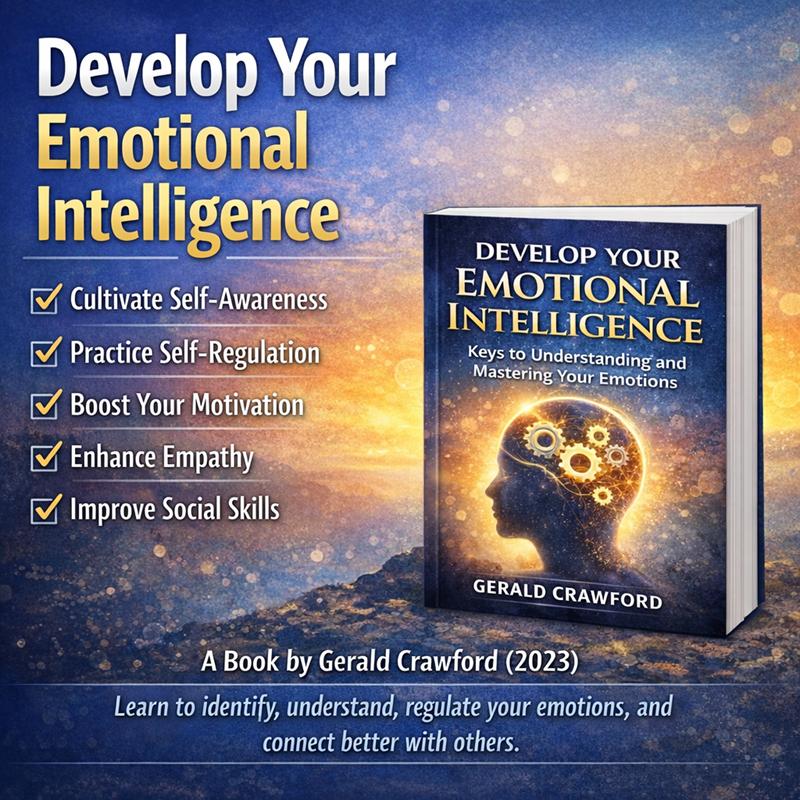
To develop Emotional Intelligence (EI), cultivate self-awareness by identifying and naming your emotions, self-regulation by managing those feelings, motivation by setting goals, empathy by understanding others' perspectives, and improving social skills through active listening and clear communication.

Category: Attachment Styles (Page 1 of 2)

Development your Emotional Intelligence you have to deal with your Secure Attachment Style with a Negative Twist

Secure Attachment Style with a Negative Twist: This style is characterized by a secure attachment style, but with a negative twist. Individuals with this style may have a tendency to be overly critical or perfectionistic, which can create unrealistic expectations and lead to disappointment and frustration.

To develop your emotional intelligence and address a secure attachment style with a negative twist, it’s essential to understand the underlying causes of this attachment pattern and work on building a more positive and resilient attachment style.

Understanding Secure Attachment Style with a Negative Twist

A secure attachment style with a negative twist is characterized by a general sense of security and comfort in relationships, but with a tendency to be overly critical or perfectionistic. Individuals with this style may:

1. Be overly critical of themselves or others: They may be excessively self-critical or critical of others, leading to feelings of anxiety, guilt, or shame.

2. Struggle with perfectionism: They may have high standards for themselves or others, leading to feelings of frustration, disappointment, or burnout.

3. Have difficulty with emotional expression: They may struggle to express their emotions in a healthy way, leading to emotional repression or suppression.

4. Tend to be overly responsible: They may take on too much responsibility for others’ emotions or well-being, leading to feelings of overwhelm or resentment.

Causes of Secure Attachment Style with a Negative Twist

Secure attachment style with a negative twist may be caused by:

1. Childhood experiences: Grew up in an environment where criticism or perfectionism was valued or emphasized.

2. Past relationships: Had relationships where criticism or perfectionism was modeled or encouraged.

3. Social learning: Observed others who model critical or perfectionistic behavior, leading to a sense of what is “normal” or “expected”.

4. Self-protection: May use criticism or perfectionism as a way to protect themselves from feelings of vulnerability or rejection.

Strategies for Developing Emotional Intelligence and Addressing Secure Attachment Style with a Negative Twist

To develop emotional intelligence and address a secure attachment style with a negative twist, try the following strategies:

1. Practice self-reflection: Understand your thoughts, feelings, and behaviors, and how they contribute to your secure attachment style with a negative twist.

2. Develop emotional awareness: Recognize and understand your emotions, and learn to understand the emotions of others.

3. Challenge negative self-talk: Challenge negative self-talk and critical inner voices, replacing them with kind, compassionate, and realistic self-talk.

4. Develop self-compassion: Practice self-compassion and self-kindness, recognizing that it’s okay to make mistakes and that you’re doing the best you can.

5. Improve emotional expression: Learn to express your emotions in a healthy way, using “I” statements and active listening to communicate effectively.

6. Set healthy boundaries: Establish healthy boundaries in your relationships, prioritizing your own needs and emotions while still being respectful of others.

7. Develop a growth mindset: Cultivate a growth mindset, recognizing that challenges and mistakes are opportunities for growth and learning.

8. Seek supportive relationships: Surround yourself with supportive and loving relationships, and prioritize building a strong support network.

Real-Life Examples of Overcoming Secure Attachment Style with a Negative Twist

1. Developing self-compassion: Sarah, who struggled with self-criticism and perfectionism, began to practice self-compassion and self-kindness. She learned to recognize and challenge her negative self-talk, replacing it with kind and realistic self-talk.

2. Improving emotional expression: Mark, who struggled with expressing his emotions in a healthy way, began to practice using “I” statements and active listening. He started to feel more confident and comfortable expressing his emotions, and his relationships improved as a result.

3. Setting healthy boundaries: Emily, who struggled with taking on too much responsibility for others’ emotions, began to set healthy boundaries in her relationships. She learned to prioritize her own needs and emotions, while still being respectful of others.

By working on these strategies and developing emotional intelligence, you can begin to overcome a secure attachment style with a negative twist and develop a more positive and resilient attachment style. Remember that developing emotional intelligence and addressing attachment styles takes time, effort, and patience. Be gentle with yourself, and prioritize self-care and self-compassion throughout the process.

I encourage you to take the first step towards developing your emotional intelligence and addressing your secure attachment style with a negative twist. Start by practicing self-reflection, developing emotional awareness, and challenging negative self-talk. Remember, developing emotional intelligence is a journey, and it’s okay to take it one step at a time.

Additional Tips

1. Seek professional help: If you’re struggling with a secure attachment style with a negative twist, consider seeking professional help from a therapist or counselor.

2. Practice self-care: Prioritize self-care and self-compassion, recognizing that taking care of yourself is essential for developing emotional intelligence and addressing attachment styles.

3. Celebrate small victories: Celebrate small victories and accomplishments along the way, and recognize the progress you’re making.

4. Be patient: Developing emotional intelligence and addressing attachment styles takes time, effort, and patience. Be patient with yourself, and remember that it’s a journey.

5. Focus on personal growth: Prioritize personal growth and development, recognizing that it’s a lifelong process and that you’re always capable of learning and growing.


Development your Emotional Intelligence you have to deal with your Disorganized-Disoriented Attachment Style

Disorganized-Disoriented Attachment Style: This style is characterized by a lack of coherence and consistency in attachment behaviors. Individuals with this style may have difficulty regulating their emotions, and may exhibit unpredictable and erratic behavior in relationships.

To develop your emotional intelligence and address a disorganized-disoriented attachment style, it’s essential to understand the underlying causes of this attachment pattern and work on building a more secure attachment style.

Understanding Disorganized-Disoriented Attachment Style

A disorganized-disoriented attachment style is characterized by a lack of coherence and consistency in attachment behaviors. Individuals with this style may:

1. Have difficulty regulating their emotions: They may struggle to manage their emotions, leading to intense emotional dysregulation.

2. Have difficulty trusting others: They may have difficulty trusting others, fearing that they will be hurt or betrayed.

3. Have difficulty with intimacy: They may struggle with intimacy and emotional connection, fearing that it will lead to hurt or rejection.

4. Tend to be emotionally reactive: They may be emotionally reactive, responding impulsively to situations without fully considering the consequences.

Causes of Disorganized-Disoriented Attachment Style

Disorganized-disoriented attachment style may be caused by:

1. Childhood trauma: Trauma, neglect, or inconsistent parenting can lead to a disorganized-disoriented attachment style.

2. Past relationships: Unstable or tumultuous relationships can contribute to a disorganized-disoriented attachment style.

3. Neurobiological factors: Neurobiological factors, such as difficulties with emotional regulation or impulse control, can contribute to a disorganized-disoriented attachment style.

4. Social learning: Observing others who model disorganized or dysfunctional behavior can contribute to a disorganized-disoriented attachment style.

Strategies for Developing Emotional Intelligence and Addressing Disorganized-Disoriented Attachment Style

To develop emotional intelligence and address a disorganized-disoriented attachment style, try the following strategies:

1. Practice self-reflection: Understand your thoughts, feelings, and behaviors, and how they contribute to your disorganized-disoriented attachment style.

2. Develop emotional awareness: Recognize and understand your emotions, and learn to understand the emotions of others.

3. Build trust: Work on building trust with others, starting with small steps such as sharing your feelings and needs with a trusted friend or partner.

4. Develop intimacy skills: Learn to develop intimacy skills, such as active listening, empathy, and emotional validation, to build deeper and more meaningful connections with others.

5. Improve emotional regulation: Learn to regulate your emotions in a healthy way, such as through mindfulness, self-care, and self-compassion.

6. Seek supportive relationships: Surround yourself with supportive and loving relationships, and prioritize building a strong support network.

7. Develop self-compassion: Practice self-compassion and self-kindness, recognizing that you are doing the best you can and that it’s okay to make mistakes.

8. Learn to receive emotional support: Learn to receive emotional support and comfort from others, rather than pushing them away or avoiding intimacy.

Real-Life Examples of Overcoming Disorganized-Disoriented Attachment Style

1. Developing emotional awareness: Sarah, who struggled with a disorganized-disoriented attachment style, began to practice emotional awareness. She learned to recognize and understand her emotions, and started to understand the emotions of others.

2. Building trust: Mark, who struggled with building trust, began to work on building trust with others. He started with small steps, such as sharing his feelings and needs with a trusted friend or partner.

3. Developing intimacy skills: Emily, who struggled with developing intimacy skills, began to learn and practice active listening, empathy, and emotional validation. She started to build deeper and more meaningful connections with others.

By working on these strategies and developing emotional intelligence, you can begin to overcome a disorganized-disoriented attachment style and develop a more secure attachment style. Remember that developing emotional intelligence and addressing attachment styles takes time, effort, and patience. Be gentle with yourself, and prioritize self-care and self-compassion throughout the process.

I encourage you to take the first step towards developing your emotional intelligence and addressing your disorganized-disoriented attachment style. Start by practicing self-reflection, building emotional awareness, and developing trust. Remember, developing emotional intelligence is a journey, and it’s okay to take it one step at a time.

Additional Tips

1. Seek professional help: If you’re struggling with a disorganized-disoriented attachment style, consider seeking professional help from a therapist or counselor.

2. Practice self-compassion: Be kind and compassionate with yourself as you work on developing your emotional intelligence and addressing your attachment style.

3. Celebrate small victories: Celebrate small victories and accomplishments along the way, and recognize the progress you’re making.

4. Be patient: Developing emotional intelligence and addressing attachment styles takes time, effort, and patience. Be patient with yourself, and remember that it’s a journey.

5. Focus on self-care: Prioritize self-care and self-compassion, recognizing that taking care of yourself is essential for developing emotional intelligence and addressing attachment styles.

Development your Emotional Intelligence you have to deal with your Fearful-Avoidant Attachment Style

Fearful-Avoidant Attachment Style: This style is characterized by a fear of intimacy and emotional connection, as well as a fear of abandonment. Individuals with this style may have difficulty forming and maintaining relationships, and may struggle with emotional regulation and trust.

To develop your emotional intelligence and address a fearful-avoidant attachment style, it’s essential to understand the underlying causes of this attachment pattern and work on building a more secure attachment style.

Understanding Fearful-Avoidant Attachment Style

A fearful-avoidant attachment style is characterized by a fear of intimacy and emotional connection with others, as well as a fear of abandonment. Individuals with this style may:

1. Fear intimacy and emotional connection: They may be afraid of getting too close to others, fearing that they will be hurt or rejected.

2. Fear abandonment: They may be afraid of being abandoned or rejected by others, leading to a fear of commitment or intimacy.

3. Have difficulty trusting others: They may have difficulty trusting others, fearing that they will be hurt or betrayed.

4. Tend to avoid emotional connection: They may avoid emotional connection with others, fearing that it will lead to hurt or rejection.

Causes of Fearful-Avoidant Attachment Style

Fearful-avoidant attachment style may be caused by:

1. Childhood experiences: Trauma, neglect, or inconsistent parenting can lead to a fearful-avoidant attachment style.

2. Past relationships: Unstable or tumultuous relationships can contribute to a fearful-avoidant attachment style.

3. Fear of vulnerability: A fear of vulnerability or emotional pain can lead to a fearful-avoidant attachment style.

4. Social learning: Observing others who model avoidant behavior can contribute to a fearful-avoidant attachment style.

Strategies for Developing Emotional Intelligence and Addressing Fearful-Avoidant Attachment Style

To develop emotional intelligence and address a fearful-avoidant attachment style, try the following strategies:

1. Practice self-reflection: Understand your thoughts, feelings, and behaviors, and how they contribute to your fearful-avoidant attachment style.

2. Develop emotional awareness: Recognize and understand your emotions, and learn to understand the emotions of others.

3. Build trust: Work on building trust with others, starting with small steps such as sharing your feelings and needs with a trusted friend or partner.

4. Develop intimacy skills: Learn to develop intimacy skills, such as active listening, empathy, and emotional validation, to build deeper and more meaningful connections with others.

5. Challenge negative thoughts: Challenge negative thoughts and beliefs that contribute to your fearful-avoidant attachment style, and replace them with positive and realistic thoughts.

6. Seek supportive relationships: Surround yourself with supportive and loving relationships, and prioritize building a strong support network.

7. Develop emotional regulation skills: Learn to regulate your emotions in a healthy way, such as through mindfulness, self-care, and self-compassion.

8. Learn to receive emotional support: Learn to receive emotional support and comfort from others, rather than pushing them away or avoiding intimacy.

Real-Life Examples of Overcoming Fearful-Avoidant Attachment Style

1. Developing emotional awareness: Sarah, who struggled with a fearful-avoidant attachment style, began to practice emotional awareness. She learned to recognize and understand her emotions, and started to understand the emotions of others.

2. Building trust: Mark, who struggled with building trust, began to work on building trust with others. He started with small steps, such as sharing his feelings and needs with a trusted friend or partner.

3. Developing intimacy skills: Emily, who struggled with developing intimacy skills, began to learn and practice active listening, empathy, and emotional validation. She started to build deeper and more meaningful connections with others.

By working on these strategies and developing emotional intelligence, you can begin to overcome a fearful-avoidant attachment style and develop a more secure attachment style. Remember that developing emotional intelligence and addressing attachment styles takes time, effort, and patience. Be gentle with yourself, and prioritize self-care and self-compassion throughout the process.

I encourage you to take the first step towards developing your emotional intelligence and addressing your fearful-avoidant attachment style. Start by practicing self-reflection, building emotional awareness, and developing trust. Remember, developing emotional intelligence is a journey, and it’s okay to take it one step at a time.

Additional Tips

1. Seek professional help: If you’re struggling with a fearful-avoidant attachment style, consider seeking professional help from a therapist or counselor.

2. Practice self-compassion: Be kind and compassionate with yourself as you work on developing your emotional intelligence and addressing your attachment style.

3. Celebrate small victories: Celebrate small victories and accomplishments along the way, and recognize the progress you’re making.

4. Be patient: Developing emotional intelligence and addressing attachment styles takes time, effort, and patience. Be patient with yourself, and remember that it’s a journey.

Development your Emotional Intelligence you have to deal with your Dismissive-Avoidant Attachment Style

Dismissive-Avoidant Attachment Style: This style is characterized by a tendency to avoid intimacy and emotional connection with others. Individuals with this style may come across as aloof or distant, and may struggle with empathy and emotional understanding.

To develop your emotional intelligence and address a dismissive-avoidant attachment style, it’s essential to understand the underlying causes of this attachment pattern and work on building a more secure attachment style.

Understanding Dismissive-Avoidant Attachment Style

A dismissive-avoidant attachment style is characterized by a tendency to avoid intimacy and emotional connection with others. Individuals with this style may:

1. Come across as aloof or distant: They may appear uninterested or unemotional, making it difficult for others to connect with them.

2. Prioritize independence: They may prioritize their independence and autonomy, avoiding close relationships or emotional intimacy.

3. Struggle with emotional expression: They may have difficulty expressing their emotions or acknowledging the emotions of others.

4. Tend to suppress emotions: They may suppress or deny their emotions, leading to emotional numbing or disconnection.

Causes of Dismissive-Avoidant Attachment Style

Dismissive-avoidant attachment style may be caused by:

1. Childhood experiences: Trauma, neglect, or inconsistent parenting can lead to a dismissive-avoidant attachment style.

2. Past relationships: Unstable or tumultuous relationships can contribute to a dismissive-avoidant attachment style.

3. Fear of vulnerability: A fear of vulnerability or emotional pain can lead to a dismissive-avoidant attachment style.

4. Social learning: Observing others who model avoidant behavior can contribute to a dismissive-avoidant attachment style.

Strategies for Developing Emotional Intelligence and Addressing Dismissive-Avoidant Attachment Style

To develop emotional intelligence and address a dismissive-avoidant attachment style, try the following strategies:

1. Practice emotional awareness: Recognize and acknowledge your emotions, and learn to understand the emotions of others.

2. Develop emotional expression: Work on expressing your emotions in a healthy and constructive way, rather than suppressing or denying them.

3. Build intimacy skills: Develop skills for building and maintaining intimate relationships, such as active listening, empathy, and emotional validation.

4. Challenge negative thoughts: Challenge negative thoughts and beliefs that contribute to your dismissive-avoidant attachment style, and replace them with positive and realistic thoughts.

5. Seek supportive relationships: Surround yourself with supportive and loving relationships, and prioritize building a strong support network.

6. Develop self-reflection skills: Practice self-reflection to understand your thoughts, feelings, and behaviors, and how they contribute to your dismissive-avoidant attachment style.

7. Prioritize emotional connection: Prioritize emotional connection and intimacy in your relationships, and work on building deeper and more meaningful connections with others.

8. Learn to receive emotional support: Learn to receive emotional support and comfort from others, rather than pushing them away or avoiding intimacy.

Real-Life Examples of Overcoming Dismissive-Avoidant Attachment Style

1. Developing emotional awareness: Jack, who struggled with a dismissive-avoidant attachment style, began to practice emotional awareness. He learned to recognize and acknowledge his emotions, and started to understand the emotions of others.

2. Building intimacy skills: Sarah, who struggled with building intimate relationships, began to develop her intimacy skills. She practiced active listening, empathy, and emotional validation, and started to build deeper and more meaningful connections with others.

3. Challenging negative thoughts: Mark, who struggled with negative thoughts and beliefs, began to challenge them. He replaced his negative thoughts with positive and realistic ones, and started to develop a more secure attachment style.

By working on these strategies and developing emotional intelligence, you can begin to overcome a dismissive-avoidant attachment style and develop a more secure attachment style. Remember that developing emotional intelligence and addressing attachment styles takes time, effort, and patience. Be gentle with yourself, and prioritize self-care and self-compassion throughout the process.

I encourage you to take the first step towards developing your emotional intelligence and addressing your dismissive-avoidant attachment style. Start by practicing emotional awareness, building intimacy skills, and challenging negative thoughts. Remember, developing emotional intelligence is a journey, and it’s okay to take it one step at a time.

Development your Emotional Intelligence you have to deal with your Anxious-Preoccupied Attachment Style

Anxious-Preoccupied Attachment Style: This style is characterized by a deep-seated fear of abandonment and a constant need for reassurance. Individuals with this style may be overly dependent on others, have difficulty setting boundaries, and struggle with emotional regulation.

To develop your emotional intelligence and address an anxious-preoccupied attachment style, it’s essential to understand the underlying causes of this attachment pattern and work on building a more secure attachment style.

Understanding Anxious-Preoccupied Attachment Style

An anxious-preoccupied attachment style is characterized by a deep-seated fear of abandonment and a constant need for reassurance. Individuals with this style may:

1. Be overly dependent on others: They may rely heavily on their partner or others to meet their emotional needs and may become overly attached or clingy.

2. Have difficulty setting boundaries: They may struggle to set healthy boundaries, leading to feelings of resentment and burnout.

3. Be excessively worried about rejection: They may be constantly worried about being rejected or abandoned, leading to anxiety and stress in their relationships.

4. Seek constant reassurance: They may need constant reassurance from their partner or others to feel secure and loved.

Causes of Anxious-Preoccupied Attachment Style

Anxious-preoccupied attachment style may be caused by:

1. Childhood experiences: Trauma, neglect, or inconsistent parenting can lead to an anxious-preoccupied attachment style.

2. Past relationships: Unstable or tumultuous relationships can contribute to an anxious-preoccupied attachment style.

3. Low self-esteem: Low self-esteem and self-worth can lead to a deep-seated fear of abandonment and rejection.

Strategies for Developing Emotional Intelligence and Addressing Anxious-Preoccupied Attachment Style

To develop emotional intelligence and address an anxious-preoccupied attachment style, try the following strategies:

1. Practice self-reflection: Understand your thoughts, feelings, and behaviors, and how they contribute to your anxious-preoccupied attachment style.

2. Develop self-awareness: Recognize your emotional triggers and patterns, and learn to manage your emotions in a healthy way.

3. Build self-esteem: Focus on building your self-esteem and self-worth, and develop a positive self-image.

4. Set healthy boundaries: Establish healthy boundaries in your relationships, and prioritize your own needs and emotions.

5. Develop emotional regulation skills: Learn to manage your emotions in a healthy way, and develop coping strategies for dealing with stress and anxiety.

6. Seek supportive relationships: Surround yourself with supportive and loving relationships, and prioritize building a strong support network.

7. Challenge negative thoughts: Challenge negative thoughts and beliefs that contribute to your anxious-preoccupied attachment style, and replace them with positive and realistic thoughts.

8. Practice mindfulness and self-compassion: Cultivate mindfulness and self-compassion, and prioritize self-care and self-love.

Real-Life Examples of Overcoming Anxious-Preoccupied Attachment Style

1. Developing a growth mindset: Sarah, who struggled with an anxious-preoccupied attachment style, began to focus on developing a growth mindset. She learned to view challenges as opportunities for growth and development, rather than threats to her self-worth.

2. Building self-esteem: Mark, who struggled with low self-esteem, began to focus on building his self-esteem. He started to prioritize self-care, practiced positive affirmations, and developed a more positive self-image.

3. Setting healthy boundaries: Emily, who struggled with setting healthy boundaries, began to prioritize her own needs and emotions. She learned to say “no” without feeling guilty, and developed a more assertive communication style.

By working on these strategies and developing emotional intelligence, you can begin to overcome an anxious-preoccupied attachment style and develop a more secure attachment style. Remember that developing emotional intelligence and addressing attachment styles takes time, effort, and patience. Be gentle with yourself, and prioritize self-care and self-compassion throughout the process.

I encourage you to take the first step towards developing your emotional intelligence and addressing your anxious-preoccupied attachment style. Start by practicing self-reflection, building self-awareness, and developing emotional regulation skills. Remember, developing emotional intelligence is a journey, and it’s okay to take it one step at a time.

« Older posts
Back a Buddy Show your Support