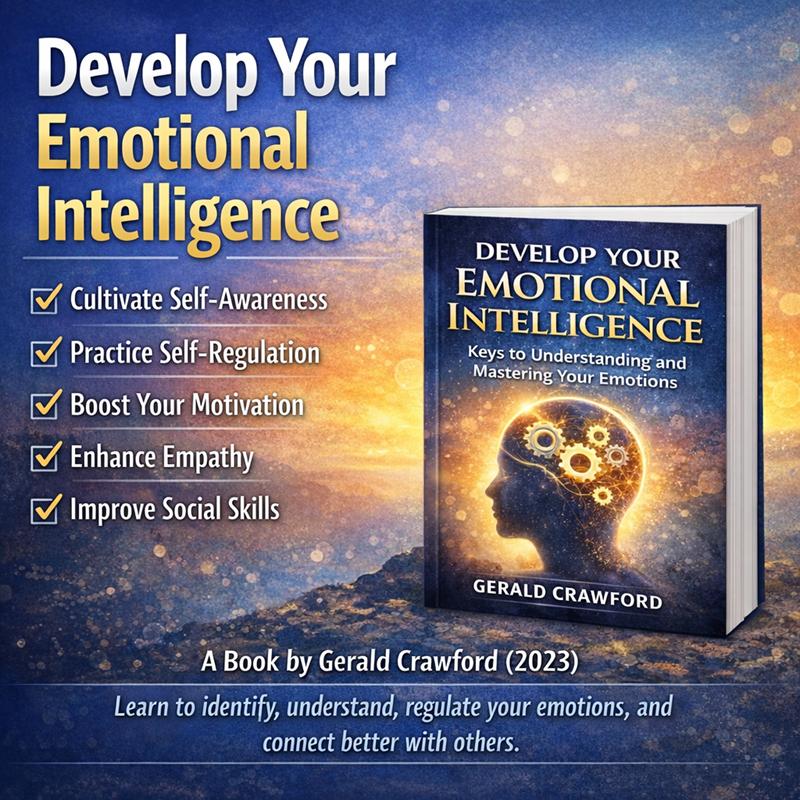
To develop Emotional Intelligence (EI), cultivate self-awareness by identifying and naming your emotions, self-regulation by managing those feelings, motivation by setting goals, empathy by understanding others' perspectives, and improving social skills through active listening and clear communication.

Category: Anger

Healing from Emotional Wounds that show up as Negative Emotions like Anger

Healing from emotional wounds that manifest as negative emotions like anger can be a challenging and complex process. However, with the right approach and support, it is possible to work through these emotions and develop a more positive and resilient outlook.

One of the key steps in healing from emotional wounds that show up as anger is to acknowledge and accept your emotions. This can be a difficult process, as it requires you to confront and validate your feelings, rather than trying to suppress or deny them. However, by acknowledging and accepting your emotions, you can begin to understand the underlying causes of your anger and develop a more constructive way of managing it.

Another important step in healing from emotional wounds that show up as anger is to develop a greater sense of self-awareness. This involves recognizing your thoughts, feelings, and behaviors, and understanding how they contribute to your emotional state. By developing a greater sense of self-awareness, you can begin to identify the triggers and patterns that contribute to your anger, and develop more effective strategies for managing it.

In addition to acknowledging and accepting your emotions, and developing a greater sense of self-awareness, there are several other strategies that can help you heal from emotional wounds that show up as anger. These include:

1. Practicing mindfulness and relaxation techniques: Mindfulness and relaxation techniques, such as meditation, deep breathing, and yoga, can help you manage stress and anxiety, and reduce feelings of anger and frustration.

2. Engaging in physical activity: Regular physical activity can help reduce stress and anxiety, and improve your mood. It can also provide an outlet for anger and frustration, and help you feel more energized and focused.

3. Seeking social support: Connecting with others, whether it’s through talking to a friend or family member, or joining a support group, can help you feel less isolated and more supported. Social support can also provide an outlet for emotions, and help you develop a more positive and resilient outlook.

4. Practicing self-compassion: Treating yourself with kindness, understanding, and patience can help you develop a more positive and compassionate relationship with yourself. This can involve practicing self-care, engaging in activities that bring you joy, and acknowledging and accepting your emotions.

5. Seeking professional help: If you’re struggling to manage your anger or other negative emotions, it may be helpful to seek professional help. A therapist or counselor can provide you with a safe and supportive space to explore your emotions, and develop more effective strategies for managing them.

Some additional resources that may be helpful in healing from emotional wounds that show up as anger include:

Books: “The Anger Control Workbook” by Ray DiGiuseppe and Raymond Chip Tafrate, “The Gift of Anger” by Marcia Narine, and “Healing Anger” by Harriet Lerner

Online courses: Courses on anger management, emotional intelligence, and mindfulness on platforms like Coursera, Udemy, or edX

Therapy: Consider working with a therapist who specializes in anger management, cognitive-behavioral therapy (CBT), or dialectical behavior therapy (DBT)

Remember, healing from emotional wounds that show up as anger is a process that takes time, effort, and patience. It’s okay to take things one step at a time, and to seek support and guidance along the way. By acknowledging and accepting your emotions, developing a greater sense of self-awareness, and practicing mindfulness and relaxation techniques, you can begin to heal from emotional wounds that show up as anger, and develop a more positive and resilient outlook.

What resonates with you the most, or what would you like to explore further?

Question and Answer: Do you often experience anger, anxiety and frustration? How can I address this by development my motional Intelligence?

Q: Do you often experience anger, anxiety, or frustration? What does this mean?

A: Feeling anger, anxiety, or frustration is part of being human — but experiencing them frequently, intensely, or in ways that affect your relationships, work, or well-being may signal challenges with emotional awareness or regulation.

You may be struggling with these emotions if you:

  • React quickly or strongly to stress
  • Feel overwhelmed by unexpected changes
  • Frequently feel irritated or “on edge”
  • Have trouble calming down after an emotional spike
  • Overthink situations or expect the worst
  • Feel drained by emotional situations
  • Struggle to communicate emotions in a balanced way

These emotions don’t make you weak — they are simply signals that your emotional system needs attention, understanding, and new tools.

Developing Emotional Intelligence can help you respond to these emotions more constructively and with greater control.


Q: How can developing Emotional Intelligence help me reduce anger, anxiety, and frustration?

EI helps you understand, manage, and express your emotions in healthier ways. Each EI skill plays a direct role in calming intense emotions.


1. Self-Awareness

Understanding your emotions, triggers, and patterns.

How it helps:

  • You recognize early signs of anger or anxiety before they intensify.
  • You understand what causes your emotional reactions.
  • You label your feelings accurately (naming emotions reduces intensity).

Practical actions:

  • Ask: “What am I feeling right now — and why?”
  • Track emotional patterns across your week.
  • Identify your common triggers (people, situations, times of day).

2. Self-Management

Regulating emotions and responding instead of reacting.

How it helps:

  • You stay calmer and more grounded in stressful moments.
  • You reduce impulsive reactions you later regret.
  • You recover more quickly from emotional spikes.

Practical actions:

  • Use deep breathing, grounding, or counting techniques.
  • Pause before responding in heated moments.
  • Create space: take a walk, step away, or request a moment.
  • Practice reframing — “Is there another perspective?”

3. Social Awareness (Empathy)

Understanding others’ feelings, needs, and intentions.

How it helps:

  • Reduces frustration by helping you see situations from others’ viewpoints.
  • Helps you interpret tone, context, and pressures others may be facing.
  • Makes interpersonal disagreements less personal and less emotionally triggering.

Practical actions:

  • Ask yourself: “What might they be feeling right now?”
  • Listen without assuming negative intent.
  • Notice non-verbal cues in conversations.

4. Relationship Management

Maintaining healthy interactions and communicating constructively.

How it helps:

  • You express emotions calmly and clearly without escalation.
  • You repair misunderstandings before they turn into anger.
  • You build trust instead of tension in relationships.

Practical actions:

  • Use “I feel…” statements instead of blame.
  • Ask for what you need calmly (“I need a moment to think”).
  • Address conflicts early rather than letting emotions build up.

Q: What practical EI-based steps can help me manage anger, anxiety, and frustration?

1. Practice the “Pause + Name + Choose” method

  • Pause to interrupt the emotional spike
  • Name the emotion (“This is anger/anxiety”)
  • Choose your response intentionally

2. Use grounding techniques

  • Deep breathing
  • Counting backward
  • Noticing 5 things around you
  • Relaxing your shoulders and jaw

3. Build emotional vocabulary

The more words you have for emotions, the easier they are to manage.

4. Set boundaries

Reduce emotional overload by saying no, delegating, or taking breaks.

5. Reflect instead of react

Ask: “What story am I telling myself? Is it accurate?”

6. Have “reset rituals”

Walks, music, journaling, stretching, mindfulness — anything that resets your emotional system.

7. Talk through emotions calmly

Sharing feelings helps release pressure and increases understanding.


Q: What benefits will I see as I develop Emotional Intelligence in these areas?

You will gain:

  • Increased emotional control and stability
  • Reduced anger, anxiety, and frustration
  • Clearer thinking under pressure
  • Better relationships and communication
  • Greater patience and resilience
  • Higher confidence in managing difficult emotions
  • More peace, balance, and emotional well-being

Emotional Intelligence doesn’t eliminate difficult emotions — it gives you the tools to manage them powerfully and constructively.

Back a Buddy Show your Support