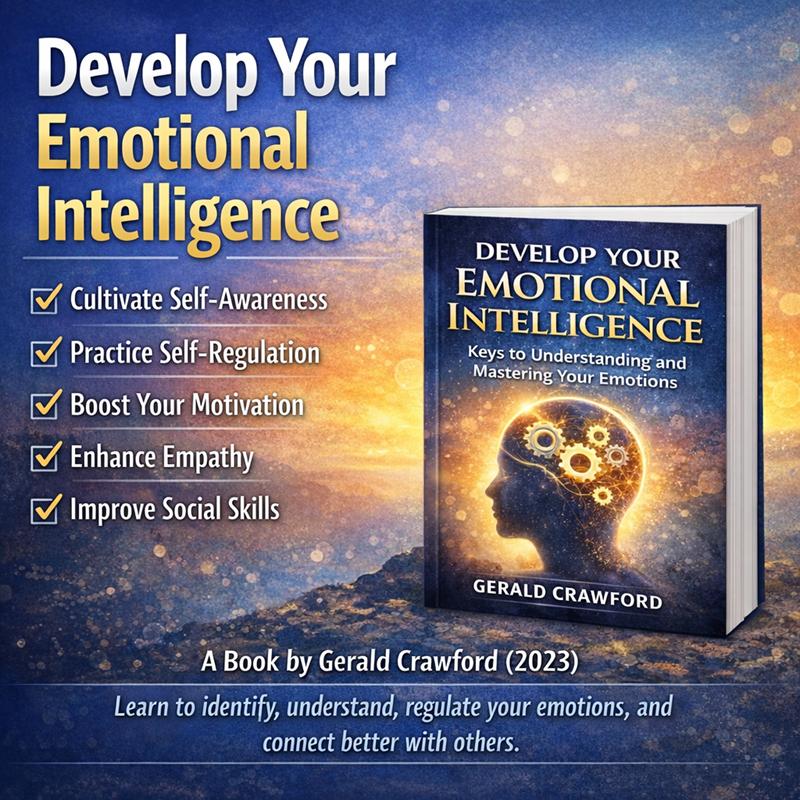
To develop Emotional Intelligence (EI), cultivate self-awareness by identifying and naming your emotions, self-regulation by managing those feelings, motivation by setting goals, empathy by understanding others' perspectives, and improving social skills through active listening and clear communication.

Category: 101 Question and Answer (Page 3 of 6)

Question and Answer: Do you ? How can I address this by development my Emotional Intelligence?

Q: Do you struggle socially?

A: If you find social interactions confusing, draining, awkward, or uncomfortable, you may be experiencing social difficulty. This can show up as:

  • Not knowing what to say or how to join conversations
  • Feeling anxious or overwhelmed in groups
  • Misreading tone, body language, or hidden meanings
  • Avoiding social situations due to fear of judgment
  • Struggling to build or maintain relationships
  • Feeling disconnected even when around people
  • Overthinking conversations afterward

Social challenges are common — and they are often tied to gaps in Emotional Intelligence (EI).
The encouraging part is: EI skills can be learned and strengthened.


Q: How can I address social struggles by developing my Emotional Intelligence?

Emotional Intelligence helps you understand yourself, understand others, and connect more effectively. Improving EI makes social interactions feel more natural, confident, and enjoyable.

Here’s how each EI component helps:


1. Build Self-Awareness

You can’t improve what you don’t notice. Self-awareness helps you understand:

  • How you feel in social situations
  • What triggers anxiety or discomfort
  • How your communication style affects others

EI Practices:

  • Reflect after conversations: “What went well? What felt challenging?”
  • Identify your social strengths and growth areas
  • Notice your thoughts, assumptions, and emotional patterns

Impact:
You gain clarity, confidence, and intentionality in social situations.


2. Strengthen Self-Management

This focuses on regulating emotions like anxiety, fear, or self-consciousness.

EI Practices:

  • Use grounding or breathing techniques before conversations
  • Calm your body so your mind can stay present
  • Practice pausing before responding
  • Replace negative self-talk with balanced thoughts

Impact:
You feel calmer, more confident, and less reactive in social settings.


3. Increase Social Awareness (Empathy)

This is understanding what others are feeling and picking up on emotional cues.

EI Practices:

  • Observe facial expressions, tone, and body language
  • Listen actively without planning your next words
  • Ask open-ended questions to show interest
  • Imagine the other person’s perspective

Impact:
Conversations become easier, deeper, and more meaningful.


4. Improve Relationship Management

This skill helps you build rapport, handle awkward moments, and strengthen connections.

EI Practices:

  • Practice small talk and shared-interest questions
  • Express appreciation or positive feedback
  • Follow up after interactions to build trust
  • Communicate your needs assertively and respectfully

Impact:
You form stronger, healthier, and more enjoyable relationships — personally and professionally.


Practical EI Strategies for Overcoming Social Struggles

  • Start with low-pressure interactions (greetings, short conversations)
  • Use the “Ask → Listen → Respond” method
  • Prepare a few conversation starters
  • Practice identifying emotions — yours and theirs
  • Build confidence gradually through repeated exposure
  • Reflect on progress instead of perfection

What benefits will I experience as my Emotional Intelligence improves?

You will notice:

  • Less social anxiety
  • Better conversations and connection
  • Greater clarity in reading people
  • Stronger relationships
  • More confidence in groups
  • Improved teamwork
  • A stronger sense of belonging
  • Reduced misunderstandings

Emotional Intelligence turns social challenges into opportunities for connection and growth.

Question and Answer: Do you react impulsively when emotions run high? How can I address this by development my Emotional Intelligence?

Q: Do you react impulsively when emotions run high?

A: Many people struggle with impulsive reactions—snapping at others, shutting down, saying things they later regret, or making quick decisions fueled by stress or frustration.
This happens because strong emotions overwhelm the brain’s ability to pause, think, and respond intentionally.

Impulsivity under emotional pressure is not a character flaw; it’s a sign that your Emotional Intelligence (EI)—especially emotional regulation—needs strengthening.


Q: How can I address impulsive reactions by developing my Emotional Intelligence?

Developing Emotional Intelligence gives you tools to pause, understand, and choose your responses instead of reacting automatically. Here’s how each EI skill helps:


1. Strengthen Self-Awareness

Impulsive reactions often happen because you don’t notice emotional escalation until it’s too late.

EI Practices:

  • Identify your early emotional “warning signs” (tight chest, fast speech, irritability).
  • Label your emotions in the moment: “I’m frustrated,” “I’m overwhelmed.”
  • Reflect afterward: “What triggered that reaction?”

Why it works:
Naming emotions lowers their intensity and gives you back cognitive control.


2. Improve Self-Management

This is the core skill for reducing impulsivity.

EI Practices:

  • Use the PAUSE technique: Stop → Breathe → Think → Choose.
  • Take a brief time-out before responding.
  • Count to 10 or take slow deep breaths to calm the nervous system.
  • Practice grounding techniques like feeling your feet on the floor or relaxing your shoulders.

Why it works:
It creates a gap between emotions and actions—giving you space to respond thoughtfully.


3. Build Social Awareness (Empathy)

Understanding others’ feelings helps you react with consideration rather than impulse.

EI Practices:

  • Ask yourself: “How is the other person feeling right now?”
  • Look for emotional cues in tone and body language.
  • Pause to consider the impact your reaction may have.

Why it works:
Empathy slows down emotional reactivity and encourages a more measured response.


4. Strengthen Relationship Management

Emotional Intelligence helps you communicate clearly and respectfully, even under stress.

EI Practices:

  • Use “I” statements to express difficult feelings without attacking.
  • Practice assertiveness: calm, clear, grounded communication.
  • Repair quickly when you react impulsively: “I apologize — that reaction wasn’t helpful.”

Why it works:
It preserves trust and reduces conflict, even during emotionally charged moments.


Practical EI Tools to Reduce Impulsive Reactions

  • The 90-Second Rule Let emotional intensity rise and fall for 90 seconds before acting.
  • Emotional Journaling Track triggers, reactions, and what you wish you’d done differently.
  • Breathing Reset 4-second inhale → 6-second exhale to calm the nervous system.
  • Reframe Your Thoughts Ask: “What is a more helpful way to see this situation?”

Set Intentions Before difficult conversations:

“I will stay calm. I will listen first. I will respond thoughtfully.”


What benefits will I see by building EI to manage impulsive reactions?

You will experience:

  • More control during emotional moments
  • Fewer regrets after reacting
  • Healthier communication
  • Less conflict
  • Improved relationships
  • Higher confidence
  • Better decision-making under stress
  • A stronger sense of emotional stability

Question and Answer: Do you have a low empathy threshold? How can I address this by development my Emotional Intelligence?

Q: Do you have a low empathy threshold? What does this mean?

A: Having a low empathy threshold means you often struggle to:

  • Understand what others are feeling
  • Appreciate perspectives different from your own
  • Recognize emotional cues or subtle signals
  • Stay patient with others’ emotions
  • Respond compassionately during conflict
  • Connect emotionally in conversations
  • Build trust or rapport easily

You may notice:

  • You become irritated by others’ emotions
  • You focus more on facts than feelings
  • You feel confused by emotional reactions
  • You tend to judge rather than understand
  • You want problems solved quickly rather than discussed
  • You unintentionally come across as cold or dismissive

A low empathy threshold doesn’t mean you don’t care — it usually means you aren’t yet comfortable navigating emotional experiences (your own or others’).

Developing Emotional Intelligence, especially the empathy component, can significantly improve how you connect, lead, and collaborate.


Q: How can developing Emotional Intelligence help improve empathy?

EI helps you recognize and manage your own emotions, which makes it easier to understand and respond to others’.
Each EI skill supports empathy in a different way:


1. Self-Awareness

Recognizing your own emotional reactions and limits.

How it helps increase empathy:

  • Helps you understand why certain emotions in others trigger discomfort
  • Increases awareness of your own biases or judgments
  • Allows you to distinguish your emotions from someone else’s
  • Helps you notice when you shut down emotionally

Try:

  • Ask yourself: “Why is their emotion hard for me to deal with?”
  • Reflect on moments when you felt disconnected from others
  • Label your own emotions to build emotional vocabulary

2. Self-Management

Regulating your emotional responses so you can stay present with others.

How it helps increase empathy:

  • Reduces impatience, irritation, or defensiveness
  • Helps you stay calm even when emotions run high
  • Allows you to listen without feeling overwhelmed
  • Helps you respond thoughtfully instead of shutting down

Try:

  • Slow your breathing during emotional conversations
  • Pause instead of reacting quickly
  • Use grounding techniques to stay composed
  • Remind yourself: “This is about understanding, not fixing.”

3. Social Awareness (Empathy)

Understanding others’ emotions, perspectives, and signals.

How it helps increase empathy:

  • Helps you read emotional cues, even subtle ones
  • Improves your ability to see situations from another viewpoint
  • Encourages curiosity rather than judgment
  • Deepens connection and trust with others

Try:

  • Ask open-ended questions: “How are you feeling about this?”
  • Notice tone, body language, and facial expressions
  • Imagine how the situation might feel if you were in their shoes
  • Use validating statements: “I can see why that would be difficult.”

4. Relationship Management

Using empathy to build stronger, healthier interactions.

How it helps increase empathy:

  • Improves communication and reduces conflict
  • Helps you support others without being overwhelmed
  • Encourages patience, collaboration, and emotional support
  • Creates a safe space for honest conversations

Try:

  • Practice reflective listening (“What I hear you saying is…”)
  • Offer support without trying to “fix” emotions
  • Approach conflict with curiosity, not blame
  • Share your understanding before offering solutions

Q: What practical Emotional Intelligence strategies can help me increase empathy?

1. Practice active listening

  • Focus fully on the speaker.
  • Avoid interrupting.
  • Repeat back what you understood.
  • Ask clarifying questions.

2. Use the “Pause → Observe → Connect” method

  • Pause your own reactions
  • Observe the other person’s tone, expression, and words
  • Connect emotionally by acknowledging their experience

3. Ask perspective-shifting questions

  • “What might they be feeling right now?”
  • “How would I feel if I were in their position?”
  • “What else might be going on behind their behavior?”

4. Strengthen your emotional vocabulary

The more emotions you understand, the easier it is to empathize.


5. Train your mind to seek understanding instead of evaluation

Shift from:

  • “Why are they acting like this?” → “What’s driving this emotion?”
  • “They’re overreacting.” → “This feels important to them for a reason.”

6. Slow down in emotional conversations

Empathy often requires patience.
Give others time to express themselves before responding.


Q: What benefits will I see as I improve my empathy through EI?

You will experience:

  • Stronger relationships and deeper connections
  • More trust and respect from others
  • Improved communication and collaboration
  • Reduced conflict and misunderstandings
  • Greater emotional insight and social awareness
  • More effective leadership and influence
  • A calmer, more patient presence
  • Increased personal and professional success

When you raise your empathy threshold through Emotional Intelligence, you become someone people feel safe with, supported by, and willing to work closely with — and that improves performance across all areas of life.

Question and Answer: Does the way you behave affects your performance? How can I address this by development my Emotional Intelligence?

Q: Does the way you behave affect your performance?

A: Yes — your behavior has a direct impact on your performance and how others perceive, trust, and collaborate with you.
Your behavior influences:

  • Your ability to work effectively under pressure
  • How others respond to you
  • Your reputation and leadership presence
  • Your decision-making
  • Your confidence and motivation
  • Your relationships and teamwork
  • Your consistency and reliability

Unhelpful behaviors — such as reacting emotionally, avoiding problems, procrastinating, shutting down, becoming defensive, or being overly critical — can limit both your personal and professional success.

Helpful behaviors — such as staying calm, communicating clearly, showing empathy, taking initiative, and maintaining integrity — elevate performance and strengthen relationships.

Your behavior is a reflection of your Emotional Intelligence.


Q: How can developing Emotional Intelligence improve my behavior and performance?

Emotional Intelligence helps you become aware of your behavioral tendencies, manage your reactions, and show up in ways that support your goals, relationships, and performance.

Each EI skill plays a role:


1. Self-Awareness

Recognizing how your emotions influence your behavior.

How it improves behavior:

  • Helps you notice when you slip into unhelpful habits
  • Makes you aware of how your behavior impacts others
  • Allows you to adjust your actions before they become damaging
  • Helps you recognize your strengths and blind spots

Try:

  • Reflect on: “How did my behavior help or hurt the situation?”
  • Ask trusted peers for feedback
  • Track recurring behavior patterns under stress

2. Self-Management

Controlling your emotional responses so your behavior is intentional, not reactive.

How it improves behavior:

  • Reduces impulsive reactions
  • Helps you stay calm and rational under pressure
  • Supports consistent, reliable behavior
  • Strengthens your ability to choose your response instead of reacting automatically

Try:

  • Practice pausing before speaking or acting
  • Use grounding techniques when emotions rise
  • Set behavior intentions before important interactions (e.g., “Stay calm,” “Listen actively”)

3. Social Awareness (Empathy)

Understanding how others feel and how your behavior affects them.

How it improves behavior:

  • Makes your actions more thoughtful and considerate
  • Helps you avoid unintentionally hurting or alienating others
  • Strengthens relationships and trust
  • Improves collaboration and communication

Try:

  • Ask: “How might my behavior feel from their perspective?”
  • Notice others’ emotional cues and adjust your approach
  • Practice listening without judgment or interruption

4. Relationship Management

Using emotional intelligence to navigate interactions effectively.

How it improves behavior:

  • Helps you resolve conflict calmly
  • Encourages constructive, supportive actions
  • Improves your ability to give and receive feedback
  • Builds a positive, respectful presence that enhances performance

Try:

  • Use clear, respectful communication
  • Address issues early instead of avoiding them
  • Balance assertiveness with empathy

Q: What practical Emotional Intelligence strategies can help improve my behavior?

1. Identify your behavior triggers

Common triggers include:

  • Feeling disrespected
  • Being overwhelmed
  • Tight deadlines
  • Lack of control
  • Feeling unheard

Understanding your triggers = improved behavior.


2. Replace reactive habits with intentional ones

Examples:

  • Instead of interrupting → pause and listen
  • Instead of shutting down → ask for clarity
  • Instead of blaming → focus on solutions
  • Instead of avoiding → address challenges early

3. Use emotional resets

Take quick breaks, breathe, or step away before engaging in conversations where your behavior may escalate.


4. Practice accountability

Ask yourself:

  • “What can I do differently next time?”
  • “How did my behavior contribute to the outcome?”

This builds maturity and growth.


5. Model the behavior you want from others

Your team or colleagues often mirror your actions.
Show calm, respect, and clarity — and you’ll receive them back.


Q: What benefits will I see as I improve my EI and behavior?

You will experience:

  • More consistent, intentional behavior
  • Better reactions under stress
  • Stronger relationships and teamwork
  • Improved trust, credibility, and influence
  • Higher productivity and effectiveness
  • More confidence and emotional stability
  • Stronger leadership presence
  • Better overall performance

When you behave with Emotional Intelligence, you not only perform better — you also create a positive ripple effect that improves the performance of those around you.

Question and Answer: Does the way you communicate affects your performance? How can I address this by development my Emotional Intelligence?

Q: Does the way you communicate affect your performance?

A: Yes — communication is one of the biggest factors influencing your performance at work, in leadership, and in relationships.
How you communicate affects:

  • How well others understand your ideas
  • How effectively you collaborate
  • How conflict is handled
  • How trusted and respected you are
  • How confident you appear
  • How well your team or colleagues respond to you
  • How quickly problems get solved

Poor communication can create confusion, tension, inefficiency, and misunderstanding — all of which lower performance.

Strong communication improves clarity, alignment, trust, and productivity — all of which boost performance.

And Emotional Intelligence is the foundation of effective communication.


Q: How can developing Emotional Intelligence improve your communication and performance?

Emotional Intelligence strengthens how you express yourself, listen, and connect with others.
Each EI skill directly enhances communication effectiveness.


1. Self-Awareness

Understanding your emotions, tone, and communication habits.

How it improves communication:

  • Helps you notice when emotions affect your message
  • Prevents speaking from frustration, stress, or defensiveness
  • Helps you communicate intentionally instead of reactively
  • Makes you aware of how your words and tone land on others

Try:

  • Ask yourself: “How am I coming across right now?”
  • Pay attention to tone, body language, and emotional triggers
  • Reflect after conversations: “What worked? What didn’t?”

2. Self-Management

Regulating emotions so you can communicate clearly and respectfully.

How it improves communication:

  • Keeps you calm in difficult conversations
  • Allows you to respond thoughtfully, not impulsively
  • Reduces misunderstandings caused by emotional reactions
  • Helps you stay composed under pressure

Try:

  • Pause before speaking when emotions run high
  • Use deep breathing to stay grounded
  • Take a moment to think before responding
  • Use phrases like: “Let me process this before I respond.”

3. Social Awareness (Empathy)

Understanding others’ emotions, perspectives, and needs.

How it improves communication:

  • Makes it easier to connect meaningfully with others
  • Helps you listen actively and understand intent
  • Reduces conflict caused by misinterpretation
  • Improves collaboration and teamwork

Try:

  • Ask: “What might they be feeling right now?”
  • Listen to understand instead of to reply
  • Notice non-verbal cues (tone, facial expression, posture)
  • Validate others’ experiences before giving your opinion

4. Relationship Management

Using communication to build trust, resolve conflict, and strengthen relationships.

How it improves communication:

  • Helps you handle difficult conversations with confidence
  • Supports constructive feedback rather than blame
  • Builds cooperation, not resistance
  • Increases influence and leadership effectiveness

Try:

  • Use “I” statements to express concerns calmly
  • Address issues early before they escalate
  • Practice clear, respectful communication
  • Give feedback that is specific, timely, and empathetic

Q: What practical Emotional Intelligence strategies can help improve my communication?

1. Practice active listening

  • Focus fully on the speaker.
  • Repeat or summarize what you heard.
  • Ask clarifying questions.
  • Avoid interrupting.

2. Think before you speak

A quick EI-based filter:

  • Is it true?
  • Is it necessary?
  • Is it clear?
  • Is it kind?

3. Manage your emotional tone

Tone often communicates more than words.
Check:

  • Volume
  • Pace
  • Body language
  • Facial expression

4. Use emotionally intelligent language

Examples:

  • “Help me understand…”
  • “I feel… when…”
  • “What I need right now is…”
  • “Let’s find a solution together.”

5. Regulate emotions before communicating

Never communicate important messages when:

  • Angry
  • Overwhelmed
  • Exhausted
  • Stressed
  • Anxious

Take time to reset so your message is grounded, not emotional.


Q: What benefits will I see as I improve my EI and communication?

You will experience:

  • Clearer, more confident communication
  • More productive and positive conversations
  • Fewer misunderstandings and conflicts
  • Higher trust and respect
  • Improved teamwork and collaboration
  • Better leadership presence and influence
  • Stronger relationships
  • Higher performance and results

When you communicate with Emotional Intelligence, you become someone people listen to, trust, and want to work with — all of which elevate your performance.

« Older posts Newer posts »
Back a Buddy Show your Support