Tag: Introduction to Emotional Intelligence
Emotional intelligence (EI) is a vital aspect of human functioning, influencing various aspects of personal and professional life. Here’s an overview of the importance of EI:
Personal Benefits:
1. Improved relationships: EI helps individuals build stronger, more meaningful relationships with others.
2. Enhanced decision-making: EI enables individuals to make more informed decisions, taking into account their own emotions and the emotions of others.
3. Increased self-awareness: EI promotes self-awareness, allowing individuals to better understand their own strengths, weaknesses, and emotions.
4. Reduced stress and anxiety: EI helps individuals manage stress and anxiety, leading to improved mental health and well-being.
Professional Benefits:
1. Improved communication: EI enables individuals to communicate more effectively, avoiding misunderstandings and conflicts.
2. Enhanced teamwork: EI promotes collaboration, empathy, and understanding among team members.
3. Increased leadership effectiveness: EI helps leaders inspire, motivate, and influence others, leading to improved leadership effectiveness.
4. Better conflict resolution: EI enables individuals to resolve conflicts more effectively, reducing stress and improving relationships.
Importance in Various Professions:
1. Healthcare: EI is essential for healthcare professionals to provide empathetic and compassionate care to patients.
2. Education: EI helps teachers create a positive learning environment, manage classroom dynamics, and support students’ emotional well-being.
3. Business: EI is critical for business leaders to make informed decisions, build strong relationships with employees and customers, and navigate complex business environments.
Consequences of Low Emotional Intelligence:
1. Poor relationships: Low EI can lead to strained relationships, conflicts, and social isolation.
2. Decreased job performance: Low EI can impair job performance, leading to decreased productivity, absenteeism, and turnover.
3. Mental health issues: Low EI can contribute to mental health issues, such as anxiety, depression, and burnout.
Developing Emotional Intelligence:
1. Self-awareness: Develop self-awareness through introspection, journaling, and feedback from others.
2. Emotional regulation: Practice emotional regulation techniques, such as mindfulness, deep breathing, and cognitive-behavioral therapy.
3. Empathy and compassion: Cultivate empathy and compassion through active listening, perspective-taking, and understanding.
By understanding the importance of emotional intelligence, individuals can take steps to develop their EI and improve their personal and professional lives.

Emotional intelligence (EI) refers to the ability to recognize and understand emotions in oneself and others, and to use this awareness to guide thought and behavior. Here’s a comprehensive introduction to EI:
Definition of Emotional Intelligence:
Emotional intelligence is the capacity to:
1. Recognize and understand emotions: Identify and comprehend emotions in oneself and others, including the subtleties of emotional expression.
2. Use emotions to guide thought and behavior: Harness emotions to inform decision-making, problem-solving, and interactions with others.
3. Manage and regulate emotions: Effectively manage and regulate one’s own emotions, as well as respond to the emotions of others.
Key Components of Emotional Intelligence:
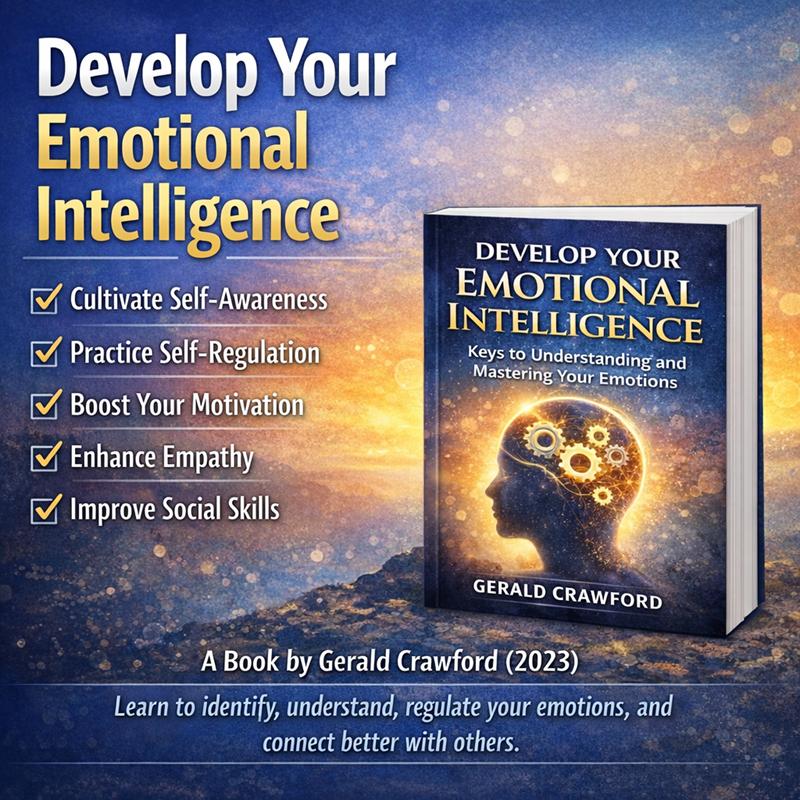
1. Self-Awareness: The ability to recognize and understand one’s own emotions, values, and motivations.
2. Self-Regulation: The ability to control and manage one’s own emotions, impulses, and behaviors.
3. Motivation: The ability to use emotions to drive motivation, achieve goals, and pursue personal growth.
4. Empathy: The ability to recognize and understand the emotions, needs, and perspectives of others.
5. Social Skills: The ability to effectively communicate, interact, and build relationships with others.
Benefits of Emotional Intelligence:
1. Improved relationships: EI helps individuals build stronger, more meaningful relationships with others.
2. Enhanced decision-making: EI enables individuals to make more informed decisions, taking into account their own emotions and the emotions of others.
3. Increased self-awareness: EI promotes self-awareness, allowing individuals to better understand their own strengths, weaknesses, and emotions.
4. Reduced stress and anxiety: EI helps individuals manage stress and anxiety, leading to improved mental health and well-being.
Theoretical Frameworks:
1. The Mayer-Salovey-Caruso Model: This model proposes that EI consists of four branches: perceiving emotions, using emotions to facilitate thought, understanding emotions, and managing emotions.
2. The Goleman Model: This model proposes that EI consists of five components: self-awareness, self-regulation, motivation, empathy, and social skills.
Assessments and Tools:
1. Emotional Intelligence Quotient (EQ-i): A widely used assessment tool that measures EI across various domains.
2. Mayer-Salovey-Caruso Emotional Intelligence Test (MSCEIT): A research-based assessment that evaluates EI across four branches.
By understanding and developing emotional intelligence, individuals can improve their relationships, decision-making, and overall well-being.
Development your Emotional Intelligence Book by Gerald Crawford
Book Your Seat Now for our 2 Day Emotional Intelligence Development Program – 24 and 25/04/2026 – Monte Bello Estate, Bloemfontein

Click on the button below to make an appointment booking

Make A Donation and Support the Author

This Banner Space is for Rent with a Hyperlink!

Recent Comments