
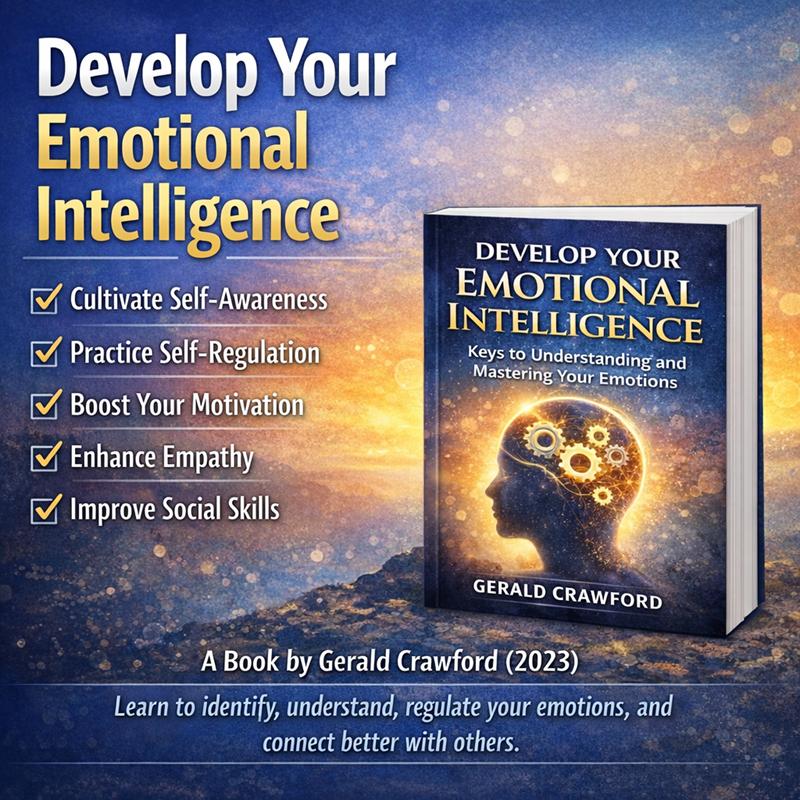
To develop Emotional Intelligence (EI), cultivate self-awareness by identifying and naming your emotions, self-regulation by managing those feelings, motivation by setting goals, empathy by understanding others' perspectives, and improving social skills through active listening and clear communication.

Tag: self-reflection

Sustaining Emotional Intelligence – Strategies for sustaining emotional intelligence: self-reflection, self-care, and continuous learning

Sustaining emotional intelligence (EI) requires ongoing effort and dedication. Here are some strategies for sustaining EI:

Self-Reflection:

1. Regular self-reflection: Schedule regular time for self-reflection, whether daily, weekly, or monthly.

2. Journaling: Write down your thoughts, feelings, and insights to process and reflect on your experiences.

3. Seek feedback: Ask for feedback from trusted friends, family, or colleagues to gain new insights.

Self-Care:

1. Prioritize self-care: Make self-care a priority by scheduling time for activities that nourish your mind, body, and spirit.

2. Exercise regularly: Engage in regular physical activity to reduce stress and improve mood.

3. Get enough sleep: Prioritize getting enough sleep to help regulate your emotions and improve cognitive function.

Continuous Learning:

1. Read books and articles: Stay up-to-date with the latest research and best practices in EI by reading books and articles.

2. Take courses or workshops: Engage in ongoing learning by taking courses or workshops that focus on EI.

3. Seek out mentors: Find mentors who can provide guidance and support as you continue to develop your EI.

Benefits of Sustaining EI:

1. Improved relationships: Sustaining EI can help you build stronger, more meaningful relationships.

2. Increased self-awareness: Sustaining EI can help you develop a greater understanding of yourself and your emotions.

3. Better decision-making: Sustaining EI can help you make more informed decisions.

Challenges to Sustaining EI:

1. Complacency: It can be easy to become complacent and stop making an effort to develop and sustain EI.

2. Limited resources: It can be challenging to find the time, money, or resources to support EI development.

Strategies for Overcoming Challenges:

1. Make EI a priority: Make EI a priority by scheduling time for self-reflection, self-care, and continuous learning.

2. Seek support: Seek support from friends, family, or colleagues to help you stay motivated and focused.

By incorporating these strategies into your daily life, you can sustain your emotional intelligence and continue to grow and develop as a person.

Mindfulness and Emotional Intelligence – Strategies for practicing mindfulness: meditation, deep breathing, and self-reflection

Mindfulness is a crucial aspect of emotional intelligence, as it enables individuals to develop a greater awareness of their thoughts, emotions, and bodily sensations. Here are some key aspects of mindfulness and emotional intelligence:

What is Mindfulness?

Mindfulness is the practice of paying attention to the present moment, without judgment or distraction. It involves cultivating a non-judgmental awareness of one’s thoughts, emotions, and bodily sensations.

How Does Mindfulness Relate to Emotional Intelligence?

1. Increased self-awareness: Mindfulness helps individuals develop a greater awareness of their thoughts, emotions, and bodily sensations, which is essential for emotional intelligence.

2. Improved emotional regulation: Mindfulness enables individuals to regulate their emotions more effectively, by becoming more aware of their emotional responses and learning to manage them.

3. Enhanced empathy and compassion: Mindfulness can help individuals develop a greater sense of empathy and compassion, by increasing their awareness of the emotions and needs of others.

Benefits of Mindfulness in Emotional Intelligence:

1. Improved emotional well-being: Mindfulness can help individuals manage stress, anxiety, and other negative emotions, leading to improved emotional well-being.

2. Increased self-awareness: Mindfulness can help individuals develop a greater awareness of their thoughts, emotions, and bodily sensations, leading to increased self-awareness.

3. Better relationships: Mindfulness can help individuals develop more positive and meaningful relationships, by increasing their empathy and compassion.

How to Practice Mindfulness:

1. Meditation: Sit comfortably, close your eyes, and focus on your breath or a mantra.

2. Body scan: Lie down or sit comfortably, and focus on different parts of your body, starting from your toes and moving up to your head.

3. Mindful movement: Engage in physical activities like yoga, tai chi, or walking while being mindful of your breath and bodily sensations.

Challenges to Practicing Mindfulness:

1. Difficulty quieting the mind: It can be challenging to quiet the mind and focus on the present moment.

2. Physical discomfort: Physical discomfort or pain can make it difficult to practice mindfulness.

3. Lack of motivation: It can be challenging to stay motivated and consistent with a mindfulness practice.

Strategies for Overcoming Challenges:

1. Start small: Begin with short mindfulness exercises and gradually increase the duration.

2. Find a quiet and comfortable space: Identify a quiet and comfortable space where you can practice mindfulness without distractions.

3. Seek guidance: Consult with a mindfulness teacher or use guided meditation apps to help you get started.

By incorporating mindfulness into your daily life, you can develop greater emotional intelligence, improve your relationships, and enhance your overall well-being.

Self-Awareness – Techniques for developing self-awareness: journaling, meditation, and self-reflection

Developing self-awareness is a crucial aspect of emotional intelligence. Here are some techniques for developing self-awareness:

Journaling:

1. Writing down thoughts and feelings: Writing down your thoughts and feelings can help you process and understand them better.

2. Reflecting on experiences: Reflecting on your experiences can help you identify patterns and gain insights into your thoughts, feelings, and behaviors.

3. Identifying emotions: Identifying your emotions through journaling can help you develop emotional awareness and regulation.

Meditation:

1. Mindfulness meditation: Mindfulness meditation involves focusing on the present moment, without judgment.

2. Loving-kindness meditation: Loving-kindness meditation involves cultivating kindness and compassion towards oneself and others.

3. Transcendental meditation: Transcendental meditation involves using a mantra to quiet the mind and access a deeper state of consciousness.

Self-Reflection:

1. Regular self-reflection: Regular self-reflection involves taking time to reflect on your thoughts, feelings, and behaviors.

2. Asking questions: Asking questions about yourself, such as “What am I grateful for?” or “What can I improve on?” can help you gain insights and develop self-awareness.

3. Seeking feedback: Seeking feedback from others can provide new perspectives and insights into your thoughts, feelings, and behaviors.

Benefits of Self-Awareness:

1. Improved emotional regulation: Self-awareness can help you regulate your emotions more effectively.

2. Better decision-making: Self-awareness can help you make more informed decisions.

3. Stronger relationships: Self-awareness can help you build stronger, more meaningful relationships with others.

Challenges to Developing Self-Awareness:

1. Lack of time: Finding time to reflect on your thoughts, feelings, and behaviors can be challenging.

2. Difficulty with self-reflection: Some people may struggle with self-reflection, finding it difficult to be honest with themselves.

3. Fear of what you might discover: Some people may be afraid of what they might discover about themselves through self-reflection.

Overcoming Challenges:

1. Scheduling self-reflection: Scheduling self-reflection into your daily or weekly routine can help you prioritize it.

2. Seeking support: Seeking support from a therapist or trusted friend can provide a safe and supportive environment for self-reflection.

3. Practicing self-compassion: Practicing self-compassion can help you approach self-reflection with kindness and understanding.

By incorporating these techniques into your daily life, you can develop greater self-awareness, improve your emotional regulation, and build stronger relationships with others.

Back a Buddy Show your Support