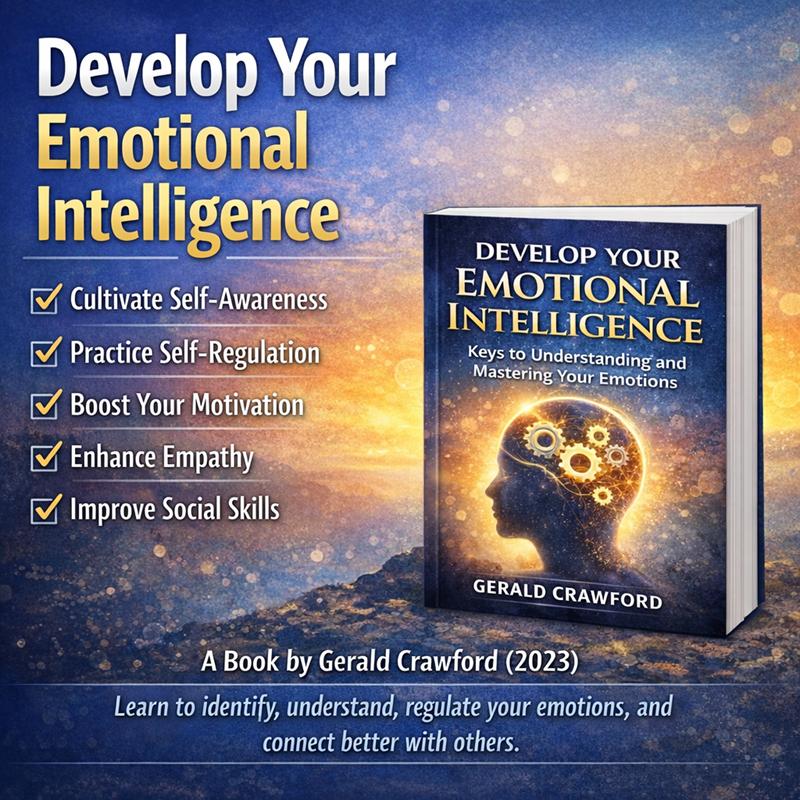
To develop Emotional Intelligence (EI), cultivate self-awareness by identifying and naming your emotions, self-regulation by managing those feelings, motivation by setting goals, empathy by understanding others' perspectives, and improving social skills through active listening and clear communication.

Tag: personal growth

Emotional Intelligence and Personal Growth – Strategies for applying emotional intelligence to personal growth: self-awareness, self-regulation, and motivation

Emotional intelligence (EI) plays a crucial role in personal growth, as it enables individuals to understand and manage their own emotions, as well as the emotions of others. Here are some strategies for applying EI to personal growth:

Self-Awareness:

1. Reflect on your emotions: Take time to reflect on your emotions, values, and motivations.

2. Identify your strengths and weaknesses: Identify your strengths and weaknesses, and be honest with yourself about areas for improvement.

3. Practice mindfulness: Practice mindfulness and meditation to increase self-awareness.

Self-Regulation:

1. Develop emotional regulation strategies: Develop strategies to regulate your emotions, such as deep breathing, exercise, or meditation.

2. Practice self-compassion: Treat yourself with kindness, understanding, and patience.

3. Set boundaries: Set boundaries and prioritize your own needs.

Motivation:

1. Set goals and priorities: Set clear goals and priorities, and develop a plan to achieve them.

2. Find meaning and purpose: Find meaning and purpose in your life, and align your goals and actions with your values.

3. Celebrate successes: Celebrate your successes and accomplishments.

Benefits of Applying EI to Personal Growth:

1. Improved self-awareness: EI can help you develop a greater understanding of yourself and your emotions.

2. Increased self-regulation: EI can help you regulate your emotions and manage stress.

3. Greater motivation: EI can help you stay motivated and focused on your goals.

Challenges to Applying EI to Personal Growth:

1. Lack of self-awareness: It can be challenging to develop self-awareness and understand your own emotions.

2. Emotional regulation: It can be difficult to regulate your emotions and manage stress.

Strategies for Overcoming Challenges:

1. Seek feedback: Seek feedback from others to gain new insights and perspectives.

2. Practice mindfulness: Practice mindfulness and meditation to increase self-awareness and emotional regulation.

By applying EI to personal growth, individuals can develop greater self-awareness, self-regulation, and motivation, leading to a more fulfilling and successful life.

Emotional Intelligence and Personal Growth – The importance of emotional intelligence in personal growth

Emotional intelligence (EI) plays a crucial role in personal growth, as it enables individuals to understand and manage their own emotions, as well as the emotions of others. Here are some key aspects of EI in personal growth:

Why is EI Important in Personal Growth?

1. Self-awareness: EI helps individuals develop a greater understanding of their own emotions, values, and motivations.

2. Emotional regulation: EI enables individuals to regulate their emotions and manage stress.

3. Empathy: EI helps individuals understand and share the feelings of others.

Key Components of EI in Personal Growth:

1. Self-awareness: Developing self-awareness through introspection and reflection.

2. Emotional regulation: Learning to regulate emotions and manage stress.

3. Empathy: Developing empathy through active listening and understanding.

Benefits of EI in Personal Growth:

1. Improved relationships: EI can help individuals build stronger, more meaningful relationships.

2. Increased self-awareness: EI can help individuals develop a greater understanding of themselves and their emotions.

3. Better decision-making: EI can help individuals make more informed decisions.

Strategies for Developing EI in Personal Growth:

1. Practice self-reflection: Engage in self-reflection and introspection to develop self-awareness.

2. Seek feedback: Seek feedback from others to gain new insights and perspectives.

3. Practice empathy: Practice empathy by trying to understand and share the feelings of others.

Challenges to Developing EI in Personal Growth:

1. Lack of self-awareness: It can be challenging to develop self-awareness and understand your own emotions.

2. Limited access to resources: It can be difficult to access resources and support to develop EI.

Strategies for Overcoming Challenges:

1. Seek feedback: Seek feedback from others to gain new insights and perspectives.

2. Practice mindfulness: Practice mindfulness and meditation to increase self-awareness and emotional regulation.

By understanding the importance of EI in personal growth, individuals can take steps to develop their EI and improve their personal and professional relationships.

Question and Answer: Do you want to experience personal growth, better decision-making, and have balance in your life? How can I address this by development my Emotional Intelligence?

Q: Do you want to experience personal growth, make better decisions, and create more balance in your life?

A: Many people want to grow, make clearer choices, and feel more balanced—but often struggle because emotions, stress, or habits get in the way. You may notice that you:

  • Feel stuck in old patterns
  • Struggle to make confident decisions
  • Act impulsively or second-guess yourself
  • Have difficulty managing stress or juggling priorities
  • Feel emotionally overwhelmed or disconnected
  • Waver between burnout and lack of motivation
  • Struggle to maintain healthy boundaries
  • Want to grow, but don’t know how to move forward

These challenges often stem from underdeveloped Emotional Intelligence (EI)—especially in the areas of self-awareness, self-management, and emotional insight.
Developing EI is one of the most powerful ways to grow personally, think more clearly, and create a more balanced, fulfilling life.


Q: How can I experience personal growth, better decision-making, and life balance by developing my Emotional Intelligence?

Emotional Intelligence enhances how you understand yourself, manage your emotions, and navigate daily decisions.
Here’s how each component of EI helps:


1. Self-Awareness Drives Personal Growth

Self-awareness allows you to understand your core values, motives, strengths, and patterns that hold you back.

EI Practices:

  • Reflect daily on your emotions and decisions
  • Identify personal triggers and habits that sabotage balance
  • Understand your strengths and how to use them
  • Recognize limiting beliefs that block growth

Impact:
You grow intentionally, not accidentally.


2. Self-Management Improves Balance and Stability

Self-management helps you regulate emotions and create consistent habits that support well-being.

EI Practices:

  • Pause before reacting so you can choose the best response
  • Build routines that reduce stress and improve productivity
  • Set boundaries to protect time and energy
  • Use calming techniques to stay centered
  • Break goals into manageable steps

Impact:
You experience less overwhelm and more alignment between your actions and your values.


3. Social Awareness Enhances Decision-Making

Understanding others’ emotions and perspectives helps you make clearer, more informed decisions.

EI Practices:

  • Pay attention to emotional dynamics in situations
  • Consider how decisions affect relationships
  • Ask clarifying questions to avoid assumptions
  • Practice empathy to understand broader contexts

Impact:
Your choices become more thoughtful, balanced, and effective.


4. Relationship Management Strengthens Well-Being and Balance

Healthy relationships reduce stress and support your personal growth.

EI Practices:

  • Communicate needs clearly and assertively
  • Repair conflict before it grows
  • Build supportive connections that encourage growth
  • Surround yourself with people who align with your values

Impact:
Your relationships help stabilize your life rather than drain you.


Practical EI Tools for Growth, Better Decisions & Life Balance

  • Daily Emotional Check-In
  • Reflective journaling (What worked? What didn’t? Why?)
  • Values-based goal setting
  • Decision clarity frameworks (Pros/cons, emotional check, values alignment)
  • Stress reduction and emotion regulation practices
  • Boundary-setting scripts
  • Life balance mapping (Work, relationships, health, personal growth)
  • Mindfulness or grounding routines

What benefits will I experience by developing Emotional Intelligence?

You’ll notice:

  • Clearer, more confident decision-making
  • Greater emotional balance and resilience
  • Increased clarity about what truly matters to you
  • Less stress and overwhelm
  • Healthier relationships
  • Stronger personal growth and self-understanding
  • Better alignment between your goals and your daily choices
  • A more grounded, intentional, and fulfilling life

Emotional Intelligence is the foundation for living with clarity, purpose, and balance.

Back a Buddy Show your Support